
Why in news?
Outbreaks of foot and mouth disease in parts of Europe in early 2026 and ongoing vaccination campaigns in India have drawn attention to this viral disease, which can devastate livestock. Understanding FMD and India’s control programme is vital for agriculture and animal husbandry.
Background
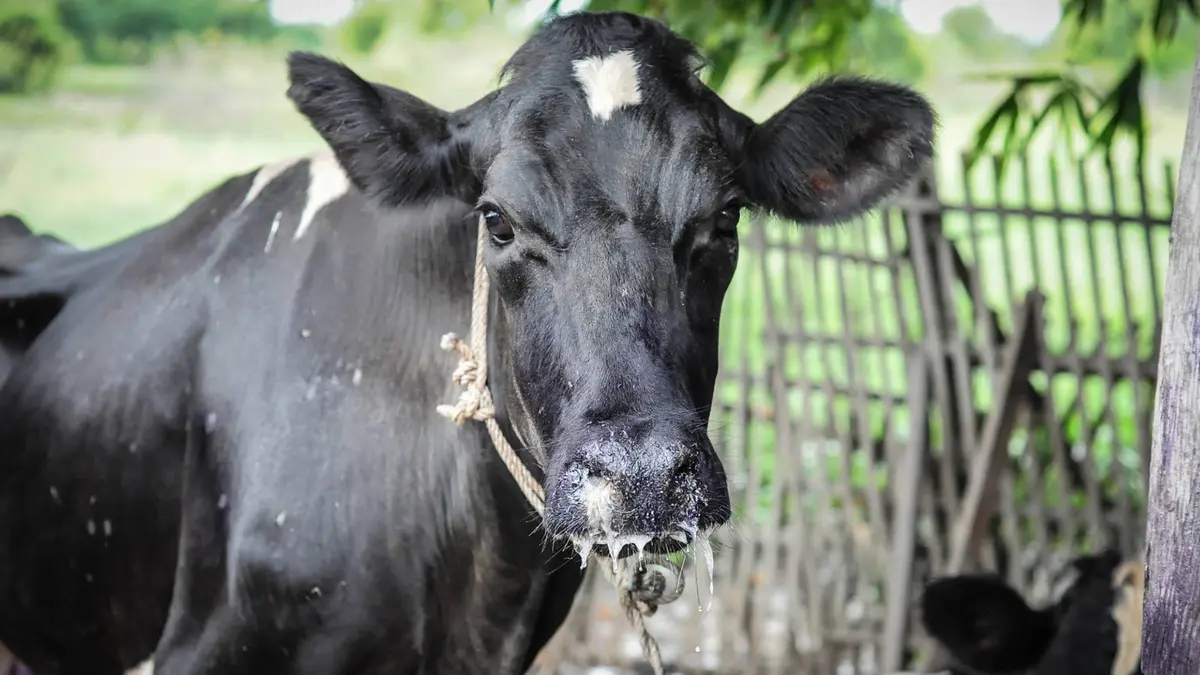
Foot and Mouth Disease is a highly contagious viral disease affecting cloven‑hoofed animals such as cattle, buffaloes, sheep, goats and pigs. The disease is caused by an Aphthovirus from the Picornaviridae family and has seven serotypes (A, O, C, SAT1, SAT2, SAT3 and Asia1). It spreads rapidly, causing fever, blisters on the mouth and feet, reduced milk yield and growth, infertility and sometimes death. Different serotypes do not confer cross‑immunity, so vaccines must be tailored to local strains.
India’s response
- National Animal Disease Control Programme (NADCP): Launched in 2019, this flagship scheme aims to vaccinate 100 % of cattle, buffaloes, sheep, goats and pigs against FMD. The programme has an outlay of ₹13,343 crore for five years (2019–20 to 2023–24) and seeks to control FMD by 2025 and eradicate it by 2030.
- Mass vaccination: Regular mass vaccination of livestock is the most effective way to control FMD. Early detection, surveillance and movement controls complement vaccination efforts.
- Benefits: Controlling FMD improves milk production, reduces economic losses and helps India meet international trade standards.
Importance
FMD outbreaks can cause severe economic losses because infected animals lose productivity and their products cannot be exported. India’s large livestock population makes vigilance essential. Vaccination campaigns not only protect animal health but also secure farmers’ livelihoods and enhance food security.
Source: DD News

