

Why in News?
Scientists from the Bose Institute recently reported that freshwater sponges collected from the Sundarban delta accumulate high levels of toxic metals and harbour microbes with metal‑resistant genes. Their findings suggest that these simple animals could serve as natural monitors and potential bioremediators of heavy‑metal pollution in rivers and wetlands.
Background
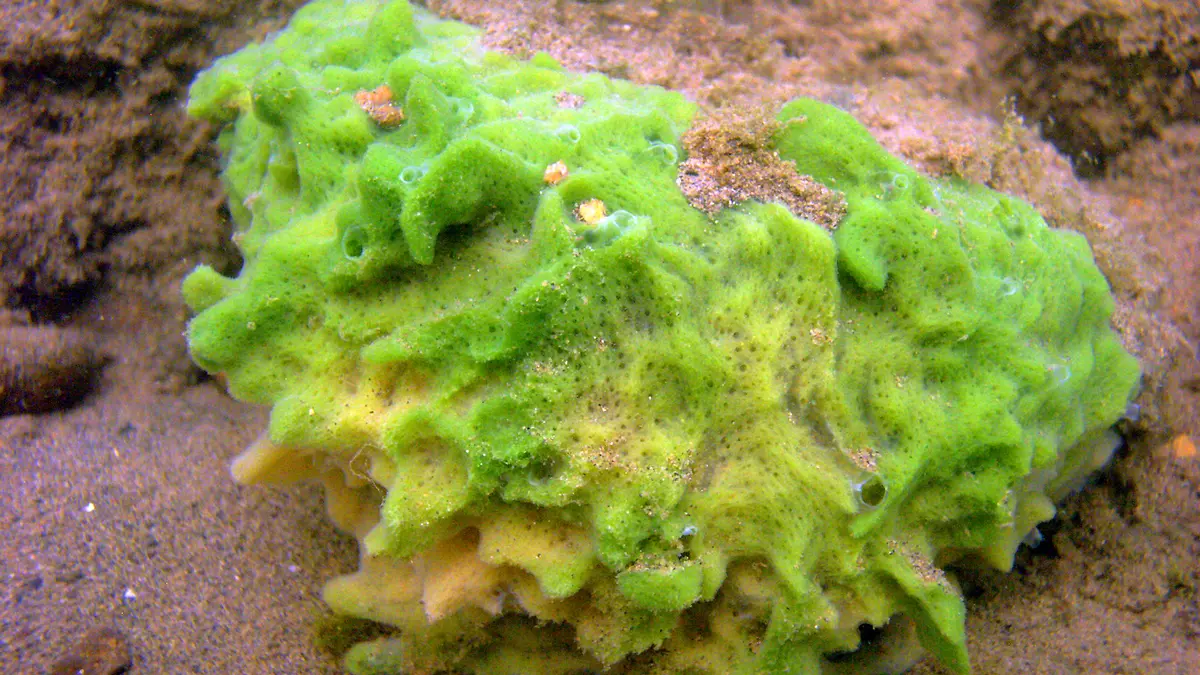
Freshwater sponges are among the earliest multicellular animals. They belong to the phylum Porifera and are simple, sessile creatures lacking organs and tissues. Sponges filter water by drawing it through tiny pores; specialised cells extract oxygen and food particles while expelling wastes through a large opening. Because they are filter feeders, sponges constantly expose themselves to the chemicals and microorganisms present in their environment.
Key Findings
- Metal accumulation: Researchers discovered that sponges from the Sundarban delta contained high concentrations of toxic metals such as arsenic, lead and cadmium.
- Microbial diversity: The sponges hosted diverse communities of bacteria and other microbes. Genetic analysis revealed that these microbes carry genes involved in metal ion transport, resistance and antimicrobial activity.
- Potential bioindicators: Because sponges incorporate metals into their tissues, they can reveal the presence of pollutants in aquatic ecosystems. Regular monitoring of sponge tissues could provide early warnings of water contamination.
- Bioremediation potential: The ability of sponges and their associated microbes to accumulate and detoxify metals suggests they could be used in controlled environments to clean polluted water bodies.
Why Sponges Matter
- Ecosystem engineers: Sponges create micro‑habitats within their porous bodies that harbour a variety of microorganisms, many of which produce biologically active compounds.
- Water filtration: By filtering hundreds of litres of water each day, sponges play a critical role in maintaining water clarity and nutrient cycles in lakes, rivers and wetlands.
- Environmental indicators: Their sensitivity to changes in water quality makes sponges useful indicators of ecological health. Declines in sponge populations often signal environmental stress.