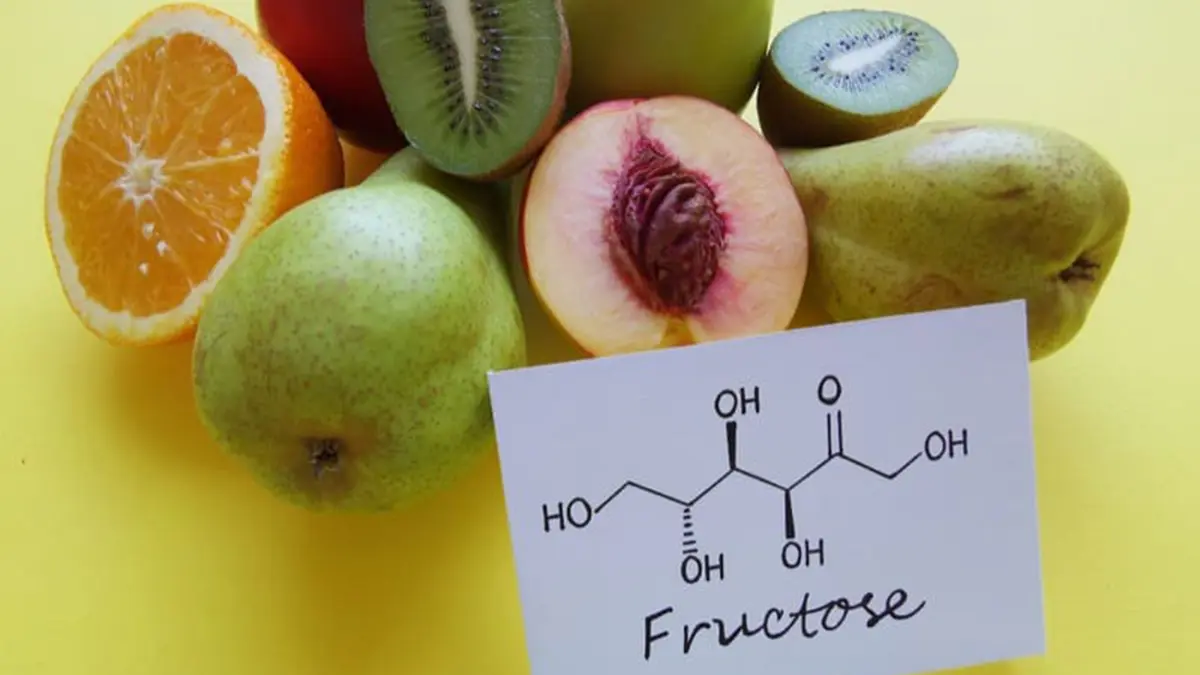
Why in news?
A new study reported in the journal Nature Metabolism highlighted fructose as a key driver of obesity and metabolic syndrome. Researchers found that fructose triggers fat synthesis in unique ways and can be produced inside the body from glucose.
Background
Fructose is a simple sugar found naturally in fruits, honey and some vegetables. It is also widely used in the form of high‑fructose corn syrup to sweeten processed foods and beverages. Unlike glucose, which every cell in the body can use for energy, fructose is mainly metabolised in the liver.
Excessive consumption of sweetened drinks and processed foods has been linked to obesity, fatty liver disease and type 2 diabetes. Scientists have long debated whether fructose itself is harmful or whether calories in general are to blame.
Key findings of the new study
- Metabolic signalling: Fructose bypasses a key control step in glycolysis, leading to rapid formation of fat molecules. This process generates uric acid and depletes cellular energy (ATP), promoting oxidative stress and inflammation.
- Endogenous fructose production: The body can convert glucose into fructose via the polyol pathway, especially during dehydration, high salt intake or excessive carbohydrate consumption.
- Implications for diet: The research suggests that limiting fructose intake and preventing conditions that trigger internal fructose production could help manage metabolic syndrome.
What this means for individuals
- Reducing consumption of sugary drinks and processed foods high in high‑fructose corn syrup can lower the risk of fatty liver and metabolic syndrome.
- Staying hydrated and moderating salt intake may reduce internal conversion of glucose to fructose.
- Whole fruits, which contain fibre and beneficial nutrients, remain part of a healthy diet despite their natural fructose content.
Sources: Outlook