

Why in news?
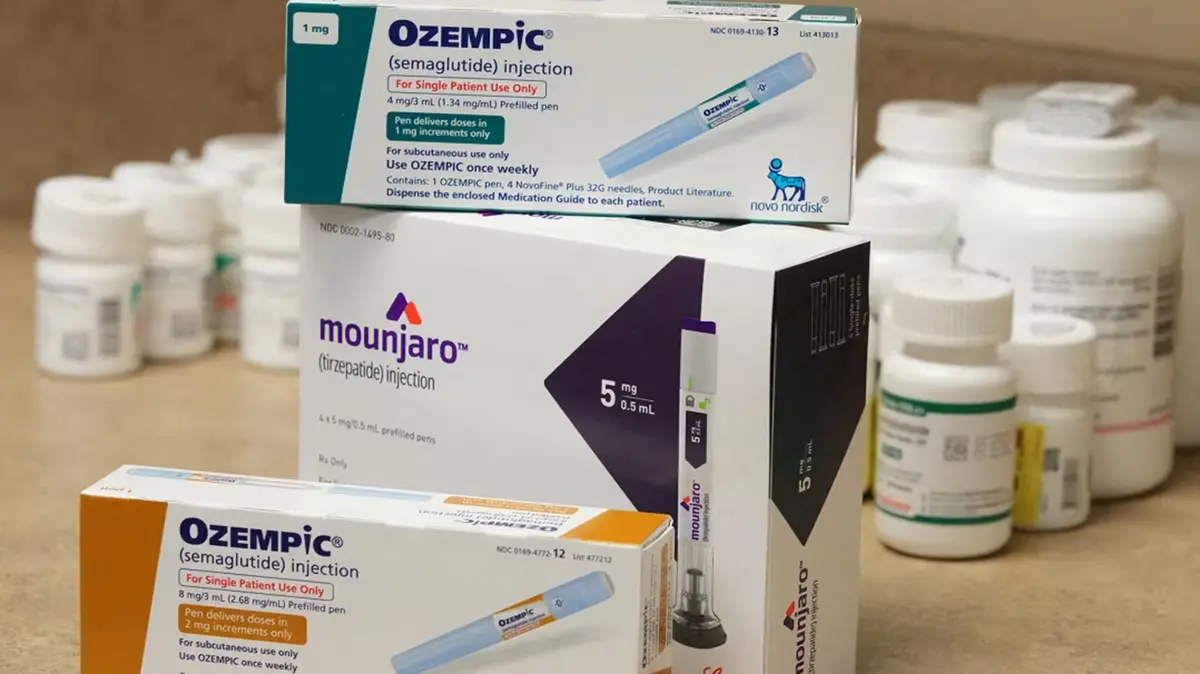
Medications based on glucagon‑like peptide 1 (GLP‑1), such as semaglutide and tirzepatide, gained widespread attention in 2025 for their ability to control blood sugar and promote weight loss. As more people sought these drugs for obesity management, doctors cautioned that they are not a quick fix and must be used under medical supervision.
Background
GLP‑1 is a hormone released from the gut after a meal. It stimulates the pancreas to secrete insulin, suppresses the hormone glucagon (which raises blood sugar), slows the emptying of the stomach and signals the brain to reduce appetite. GLP‑1 receptor agonists are synthetic drugs that mimic this hormone. Originally developed for people with type 2 diabetes, higher‑dose formulations are now approved for chronic weight management.
Common GLP‑1 medications include:
- Liraglutide: Injected daily; marketed under the names Victoza (diabetes) and Saxenda (obesity).
- Dulaglutide: Injected weekly (Trulicity) for diabetes control.
- Exenatide: Available as a twice‑daily injection (Byetta) or extended‑release weekly injection (Bydureon).
- Lixisenatide: Daily injection used in combination with insulin (Adlyxin).
- Semaglutide: Can be taken orally (Rybelsus) or as a weekly injection (Ozempic for diabetes; Wegovy for obesity).
- Tirzepatide: A dual GLP‑1/GIP agonist (Mounjaro) that has shown significant weight‑loss effects in trials.
How they work
- Blood sugar control: By enhancing insulin release and lowering glucagon levels, GLP‑1 drugs reduce fasting and post‑meal glucose.
- Slowing digestion: The delay in gastric emptying leads to a feeling of fullness for longer periods, which helps reduce calorie intake.
- Appetite regulation: The drugs act on the brain’s appetite centres, decreasing cravings and altering taste preferences. Users often report reduced hunger for high‑fat foods and sugary snacks.
Benefits and risks
- Benefits: Besides lowering blood glucose and facilitating weight loss, GLP‑1 drugs can improve blood pressure, cholesterol levels and markers of fatty liver disease. Some studies indicate reduced risk of heart attack and stroke in people with type 2 diabetes.
- Common side effects: Nausea, vomiting, diarrhoea, constipation and dizziness usually occur when starting therapy. Eating smaller, low‑fat meals can reduce discomfort.
- Serious but rare risks: Inflammation of the pancreas (pancreatitis), gallbladder disease, kidney problems and possible risk of medullary thyroid cancer have been reported. These drugs are not recommended during pregnancy or for people with a history of certain endocrine tumours.
- Need for lifestyle changes: For sustained benefits, patients must combine medication with a balanced diet and regular exercise. Abruptly stopping the drug can lead to weight regain.
Conclusion
GLP‑1 receptor agonists represent a significant advancement in managing diabetes and obesity. However, they should only be used on the advice of a healthcare professional who can monitor side effects and adjust doses. These drugs are tools to support – not replace – healthy lifestyle changes.
Source: TH