

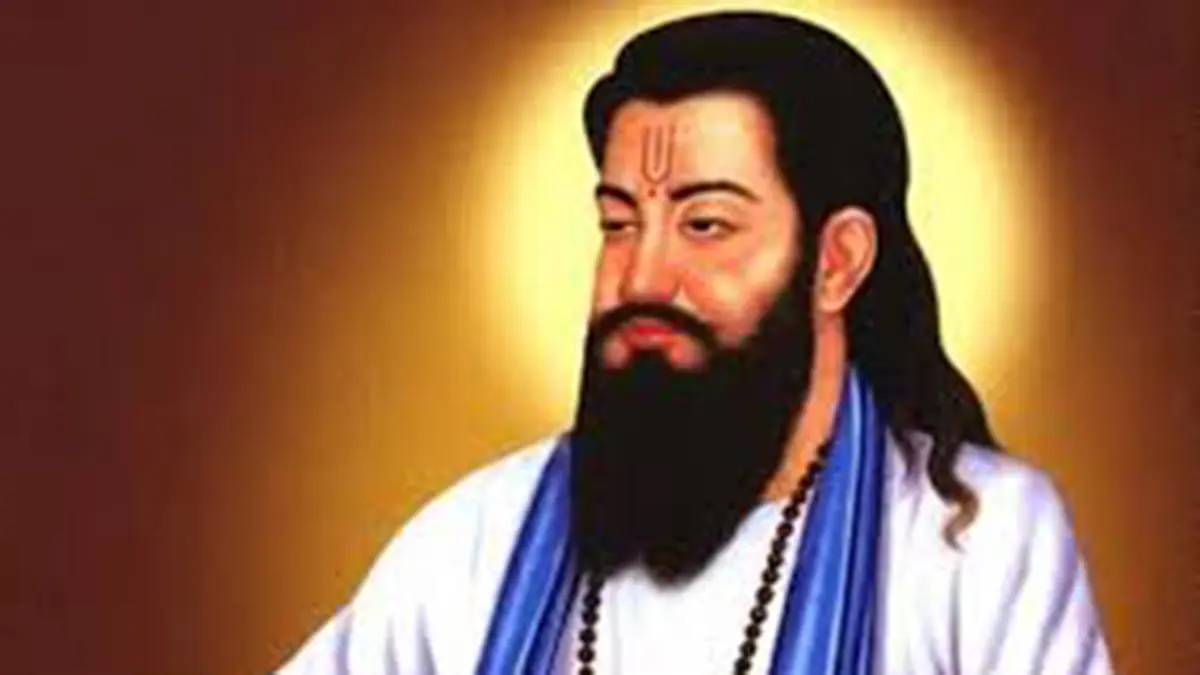
Why in news?
Guru Ravidas Jayanti, marking the 649th birth anniversary of the 15th‑century saint, was celebrated across India on 1 February 2026. The occasion prompted renewed discussion of his teachings on equality, compassion and devotion, which continue to inspire millions.
Background
Guru Ravidas (also known as Raidas or Ravidas) was a mystic and poet associated with the Bhakti movement in northern India. Born near Varanasi into the Chamar community, he challenged caste hierarchies and preached that all humans are created from the same divine essence. His hymns emphasised personal devotion to a formless God and criticised rituals and discrimination. Around 40 of his poems are included in the Sikh scripture, the Guru Granth Sahib, and his works inspired the later Ravidassia faith.
Teachings and contributions
- Equality and social justice: Ravidas taught that there should be no distinction based on caste, wealth or status. He argued that purity and sincere devotion matter more than birth.
- Vision of Begampura: In his poetry he described Begampura, an ideal city free from kings, taxes and sorrow, where there is no caste‑based discrimination. This utopian vision symbolises a casteless and inclusive society.
- Bhakti tradition: Ravidas championed nirguna bhakti—devotion to a formless God—and believed that personal experience and inner purity were the path to liberation. He adopted symbols like the sacred thread and forehead mark, traditionally reserved for higher castes, as acts of defiance against caste restrictions.
Legacy
- Ravidas’s ideas influenced Sikhism, and his hymns are recited in Sikh gurdwaras. The Ravidassia community venerates him as their principal guru.
- His message resonates with Dalit and marginalised communities seeking dignity and equality. Annual processions and celebrations, especially in Varanasi and Punjab, keep his teachings alive.
- Modern social movements draw on his emphasis on equality, making his philosophy relevant to contemporary struggles against discrimination.
Source: IT