Why in news?
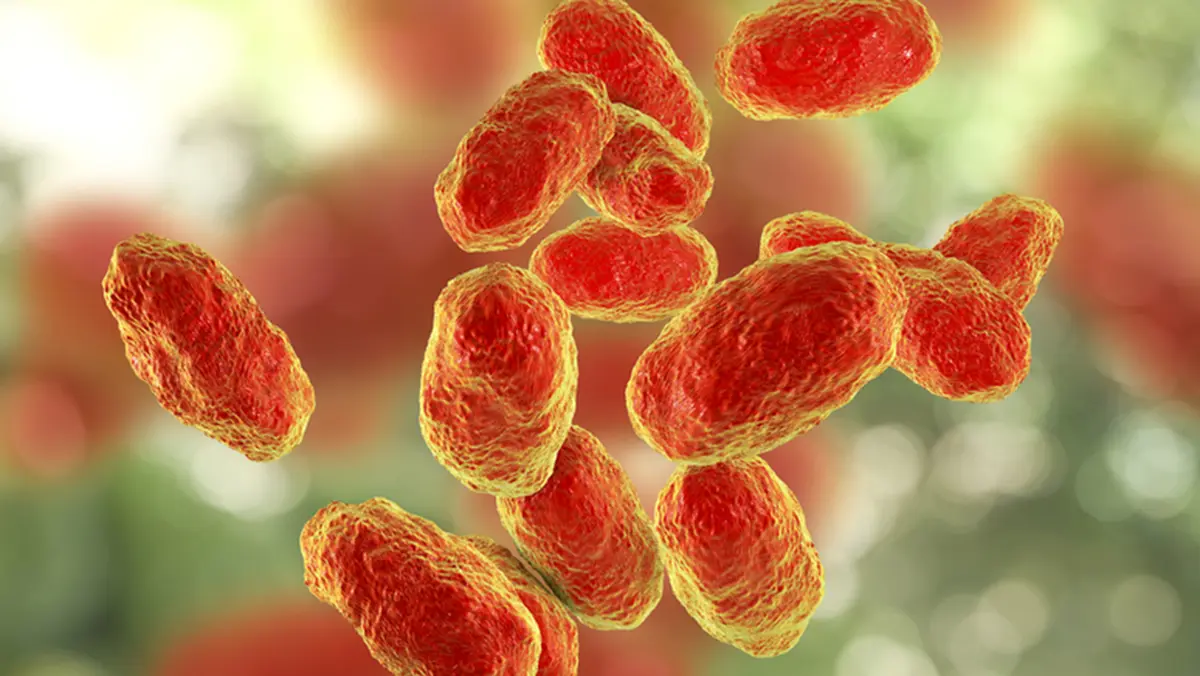
Health authorities have raised concerns about the possible resurgence of Hib disease after reports of declining vaccination coverage among young children. Haemophilus influenzae type b is a bacterium that can cause life‑threatening infections such as meningitis and pneumonia. Public health messages therefore emphasise the importance of timely vaccination and awareness of symptoms.
Background
Hib bacteria live in the nose and throat of healthy people and spread through coughing and sneezing. They may cause mild infections like ear infections or bronchitis, but in vulnerable groups—especially children under five, older adults and individuals with weakened immune systems—the bacteria can invade the bloodstream and cause severe diseases. Before widespread vaccination, Hib was a leading cause of childhood meningitis and a major contributor to infant mortality.
Transmission and symptoms
- Transmission: The bacteria spread via respiratory droplets. Newborns can also be exposed during delivery if the mother’s amniotic fluid or genital tract is infected.
- Serious infections: Hib can cause pneumonia (fever, cough, shortness of breath, chest pain), meningitis (high fever, headache, stiff neck, confusion), bloodstream infection, epiglottitis (severe throat swelling), and joint infections.
- Complications: Without prompt treatment, patients can suffer brain damage, hearing loss, paralysis or even death. Babies may present with irritability, vomiting or difficulty feeding rather than the classic symptoms.
Prevention and vaccination
- Vaccination schedule: The Hib conjugate vaccine is recommended for all children. In India it is usually given as part of the pentavalent vaccine at 2, 4 and 6 months, with a booster dose at 12–15 months. Some schedules use fewer doses depending on the formulation.
- Who needs vaccination: Healthy adults typically do not require Hib vaccination. However, individuals with certain medical conditions, such as sickle‑cell disease, asplenia or weakened immune systems, may need it.
- Side effects: Vaccination is safe. Mild reactions include redness or swelling at the injection site or low‑grade fever. Serious adverse reactions are extremely rare.
- Other measures: Good hygiene, reducing overcrowding and seeking prompt medical care when symptoms appear can help prevent spread and complications.
Significance
- Protecting children: Hib vaccination has dramatically reduced meningitis, pneumonia and epiglottitis in countries where it is routinely used.
- Public health concern: Even small declines in coverage can lead to outbreaks. Continuous immunisation campaigns and education are essential to maintain community immunity.
- Awareness: Knowing the symptoms and seeking prompt treatment can save lives. Early diagnosis and antibiotics are effective against Hib infections.
Source: NBC News