

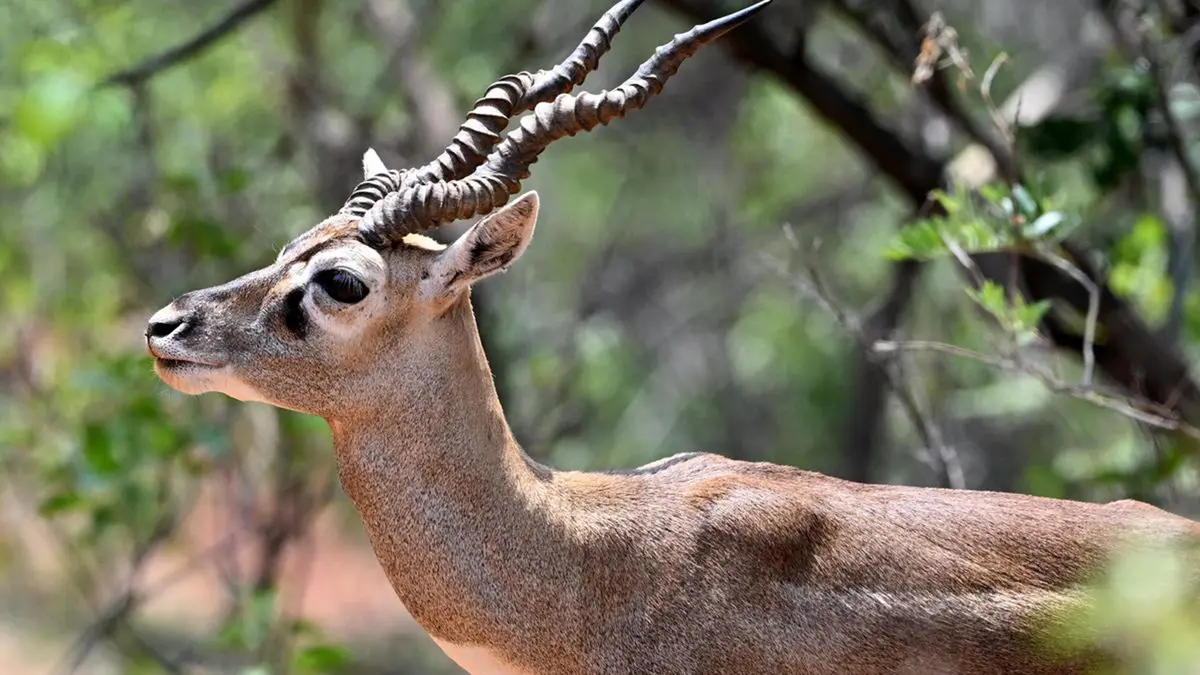
Why in news?
Ten blackbucks at the Tata Steel Zoological Park in Jamshedpur died suddenly this week. Veterinarians suspect haemorrhagic septicaemia, a fast‑acting bacterial infection, as the cause. The deaths have raised concerns about disease management in captive wildlife and livestock.
Background
Haemorrhagic septicaemia (also known as pasteurellosis) is an acute, highly fatal disease of cattle, buffaloes and some wild ungulates. It is caused by certain serotypes of the bacterium Pasteurella multocida. Serotype B:2 is prevalent in Asia and serotype E:2 in Africa. The disease is common in tropical regions where humidity and stress lower animals’ immunity.
Transmission and symptoms
- The bacteria are present in the environment and spread through inhalation or ingestion, particularly when animals share contaminated feed or water.
- Outbreaks often occur during seasonal changes when animals are stressed by weather or transport.
- Early signs include dullness, high fever, refusal to eat and excessive salivation. Swellings quickly develop around the throat, brisket and head.
- Without immediate treatment, the infection leads to severe septicaemia and death within hours.
Vaccines are available and are routinely used in livestock to prevent outbreaks. If caught early, intravenous antibiotics can save infected animals, but rapid progression makes prevention critical. The recent deaths of blackbucks underscore the need for regular vaccination, bio‑security measures and prompt veterinary care in zoos and farms.
Source: TH