

Why in news?
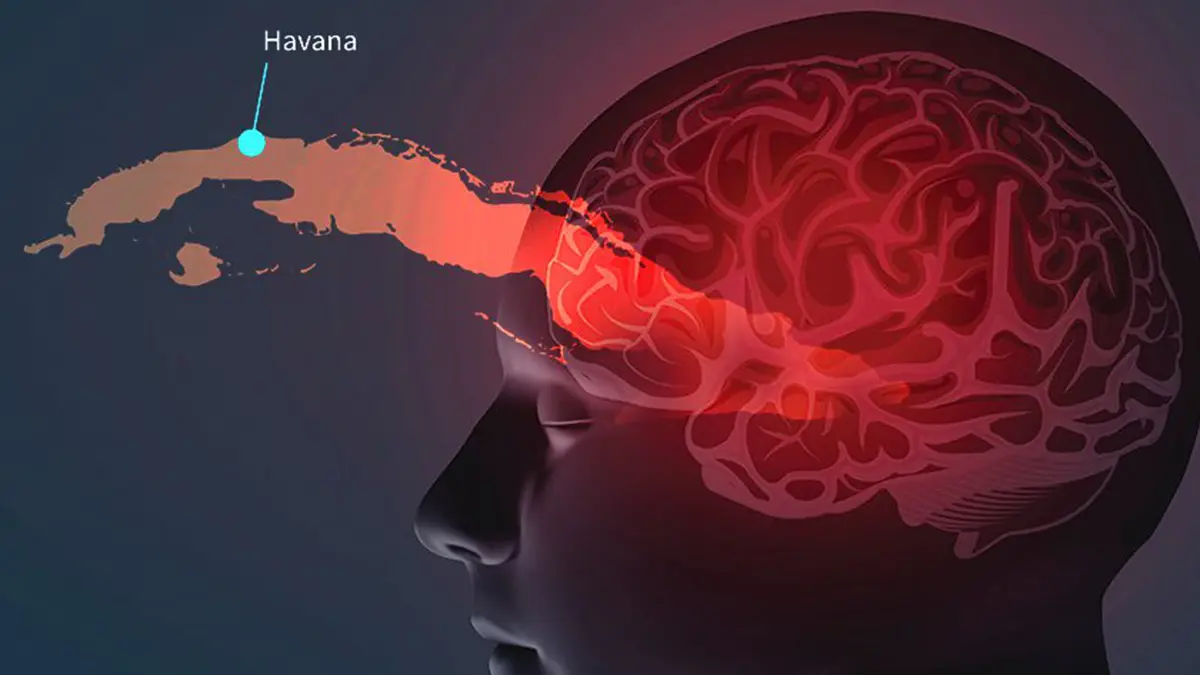
In January 2026, reports emerged that the U.S. Department of Defense had acquired a backpack‑sized device capable of emitting pulsed radio‑frequency energy. The device is being used to study the effects of electromagnetic pulses on human health as investigators seek to understand mysterious ailments popularly dubbed Havana Syndrome. This development has reignited debate over the causes of these unexplained health incidents.
Background
Havana Syndrome refers to clusters of unexplained medical symptoms reported since 2016 by diplomats and intelligence officers stationed in Cuba and later in China, Europe and the United States. Affected individuals describe sudden bouts of intense pressure or sound, followed by headaches, dizziness, ear pain, memory problems and cognitive fog. The cause remains unclear. Hypotheses range from directed microwave energy and ultrasound to pesticides or mass psychogenic illness. In 2023, a U.S. intelligence review concluded it was unlikely that a foreign adversary deliberately caused most cases, though some incidents remain unexplained.
Recent developments
- Pulsed‑energy device: The U.S. military has obtained a device, roughly the size of a backpack, that can generate short bursts of radio‑frequency energy. Its purpose is to reproduce symptoms reported by affected personnel under controlled conditions, helping scientists study how such exposures interact with the human body and to evaluate protective measures.
- Testing and controversy: The device is part of a research programme rather than an operational weapon. Critics caution that testing may not replicate real‑world exposures and that focusing narrowly on directed energy could overlook other causes. At the same time, understanding the bioeffects of pulsed radio‑frequency fields could inform safety standards as more technologies use similar frequencies.
- Ongoing uncertainty: No definitive link has been established between the syndrome and any specific device or country. Some researchers argue that environmental toxins, infectious agents or psychological factors could explain the symptoms. Others maintain that certain cases show signs consistent with directed‑energy injury. The lack of consensus underscores the need for open scientific investigation.
Conclusion
The acquisition of a pulsed‑radio device reflects renewed efforts to protect diplomats and to understand potential health risks from electromagnetic exposure. However, Havana Syndrome remains a perplexing condition without a confirmed cause. Thorough investigation, transparency and international cooperation will be essential to resolve the controversy and ensure the safety of those serving abroad.
Source: Business Standard