

Why in news?
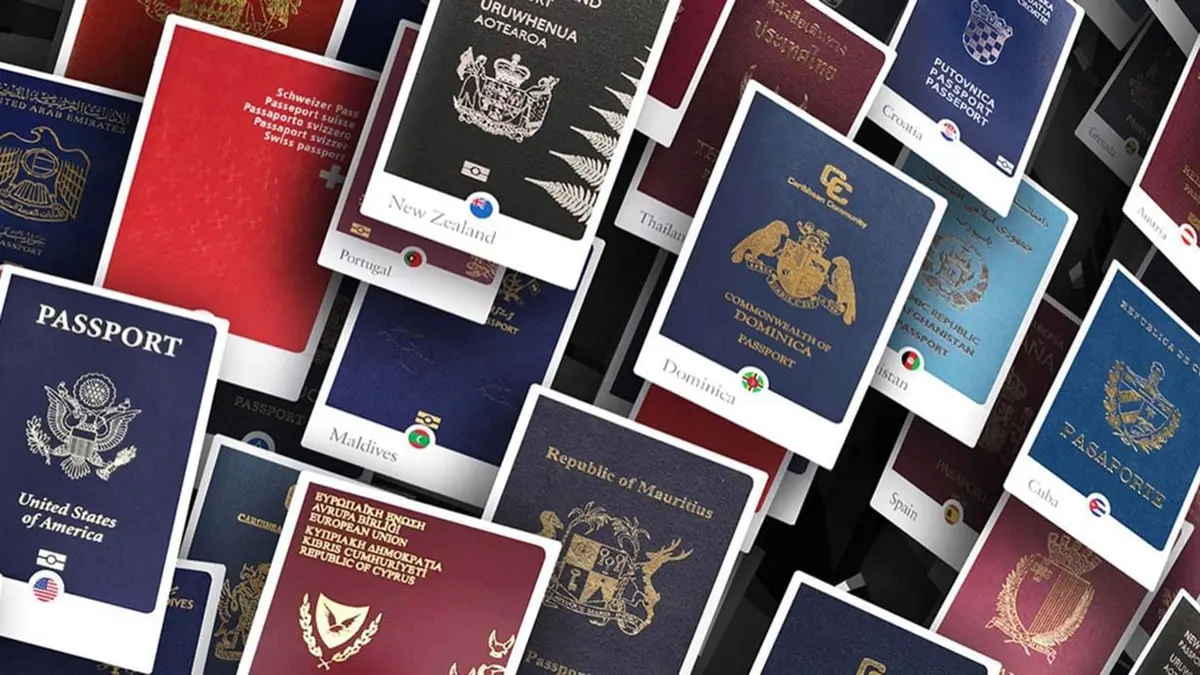
Henley & Partners released its annual Passport Index for 2026 in mid‑January. The ranking measures how many countries and territories a passport holder can visit without obtaining a visa beforehand. The 2026 edition underscores widening global mobility gaps while noting that several Asian passports continue to dominate the top spots. India also moved up the ranking compared with the previous year.
Background
The Henley Passport Index, now two decades old, draws on data from the International Air Transport Association. It counts destinations accessible either visa‑free or with a visa on arrival and assigns each country’s passport a score accordingly. The index is widely used by travellers, policymakers and investors to gauge travel freedom and mobility trends.
Key findings
- Top passports: Singapore retains the number one spot with access to 192 destinations. Japan and South Korea share second place with 188 destinations. Denmark, Luxembourg, Spain, Sweden and Switzerland tie for third with 186 destinations each. A group of European nations including Germany, Netherlands and Italy occupy the next slots, highlighting Europe’s continued dominance.
- Other high performers: The United Arab Emirates climbs to fifth place with 184 destinations. New Zealand, Australia and Canada occupy the next ranks. The United States returns to the top ten but continues its longer‑term slide, while the United Kingdom also sees a modest decline.
- India’s position: India rises five places to rank around 80th, providing its citizens visa‑free or visa‑on‑arrival access to 55 countries. This modest improvement reflects ongoing diplomatic efforts and bilateral agreements but still leaves Indian travellers behind many Asian peers.
- Mobility gap: At the bottom of the index, Afghanistan’s passport allows entry to just 24 destinations, illustrating a huge 168‑destination gap between the top and bottom ranks. Such disparities highlight how geopolitical stability and diplomatic relations shape individual travel freedom.
Implications
A higher passport ranking can expand opportunities for tourism, education, business and investment. For India, climbing the index signals improving global ties, yet much remains to be done to match the mobility enjoyed by Singapore, Japan or South Korea. The growing divide between top and bottom countries underscores the need for international cooperation on visa policies and underscores how passport power reflects broader economic and geopolitical dynamics.
Source: ET