Why in news?
As several states prepared for Rajya Sabha elections in April 2026, questions arose about the method of electing members to India’s Council of States. The process differs from the direct elections used for the Lok Sabha and highlights the federal character of Parliament.
Background
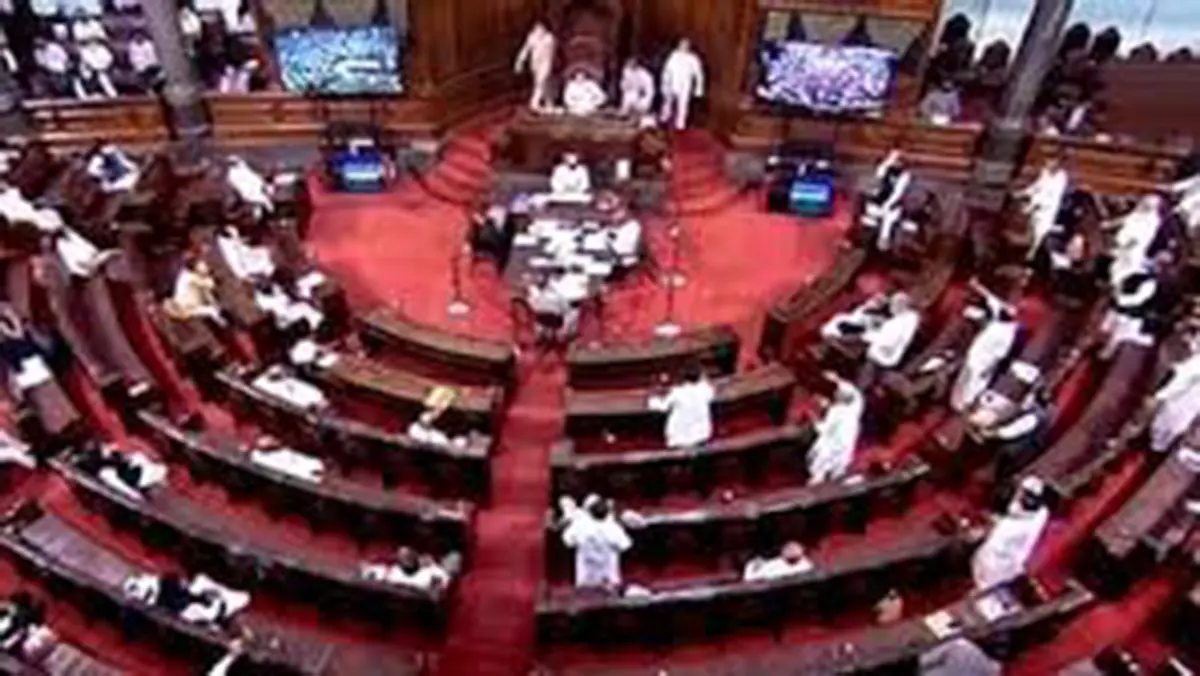
The Rajya Sabha is the upper house of India’s Parliament. It can have up to 250 members; currently it has 245. Of these, 233 members represent the states and union territories and are elected by the elected members of the state legislative assemblies. Twelve members are nominated by the President of India from among persons with special knowledge or experience in literature, science, art and social service. The house is a permanent body and is not subject to dissolution. However, one‑third of its members retire every two years and each member serves a six‑year term.
Election process
- Proportional representation: Rajya Sabha elections use the system of proportional representation by means of the single transferable vote (STV). MLAs do not vote for each seat separately; instead, they rank candidates in order of preference.
- Quota formula: To be elected, a candidate must secure a minimum number of votes calculated by the formula: Quota = (Total number of votes ÷ (Number of seats to be filled + 1)) + 1. Any surplus votes beyond this quota are transferred to remaining candidates based on subsequent preferences.
- Open ballot: Voting is not secret. A member belonging to a political party must show the marked ballot paper to an authorised party agent for verification. Independent MLAs cannot reveal their vote to anyone. Failure to follow these rules invalidates the vote.
- Nominations: The President nominates 12 members for their contributions to art, literature, science or social service. These nominees bring expertise and diversity to the house.
- Rotation: Since one‑third of the members retire every two years, elections are staggered. There is no maximum limit on the number of terms a member can serve.
Conclusion
The Rajya Sabha election process ensures that states and union territories are represented in proportion to their population while allowing smaller parties a chance at representation. Its indirect voting system, quota formula and open ballot make it distinct from the direct, first‑past‑the‑post elections to the Lok Sabha.
Source: Hindustan Times