

Why in news?
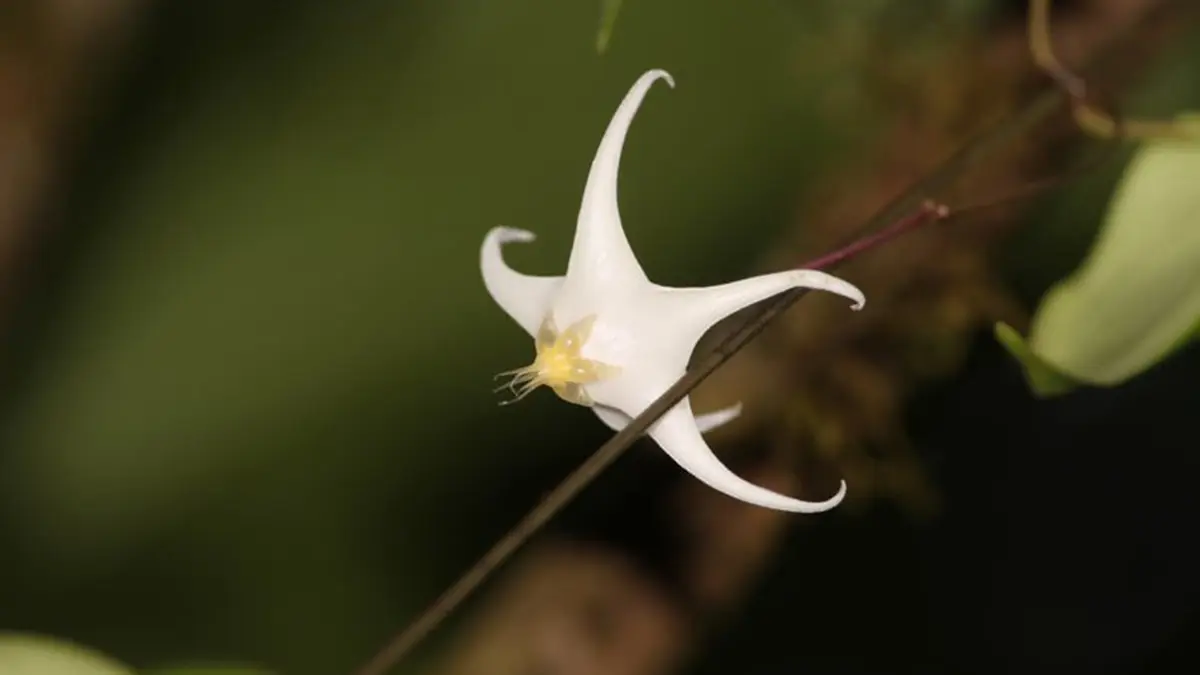
Botanists announced the discovery of a new species, Hoya dawodiensis, in the remote Vijaynagar valley of Changlang district in Arunachal Pradesh. The find underscores the botanical richness of India’s northeastern forests and highlights the need for conservation of remote habitats.
Background
Plants in the genus Hoya are evergreen climbers known for their thick, waxy leaves and clusters of star‑shaped flowers. Many are prized as houseplants for their fragrance and unusual blooms. The northeastern states of India host several Hoya species, but many remain undocumented due to rugged terrain and limited scientific exploration.
Details of the discovery
- Location: Hoya dawodiensis was found in the Vijaynagar circle, a biodiversity hotspot near the border with Myanmar. The area is accessible only by foot or helicopter and remains largely unexplored.
- Distinctive features: The plant has leathery leaves and pendant umbels of pale pink flowers with a sweet fragrance. It grows as an epiphyte, clinging to host trees in moist, shaded forests.
- Associated discoveries: Field teams also documented two species previously unrecorded in India – Hoya yingjiangensis and Hoya nummularia. These findings add to the 300‑plus Hoya species known worldwide.
Significance
The discovery was made by the Society for Education and Environmental Development in collaboration with the Botanical Survey of India and researchers from Singapore. The Chief Minister of Arunachal Pradesh praised the team, noting that it showcases the state’s untapped botanical wealth. By documenting new species, scientists can better understand plant evolution and design conservation plans. Conservationists emphasise the need to protect remote habitats like Vijaynagar, which are threatened by illegal logging and climate change.
Sources: PTI ·