
Why in news?
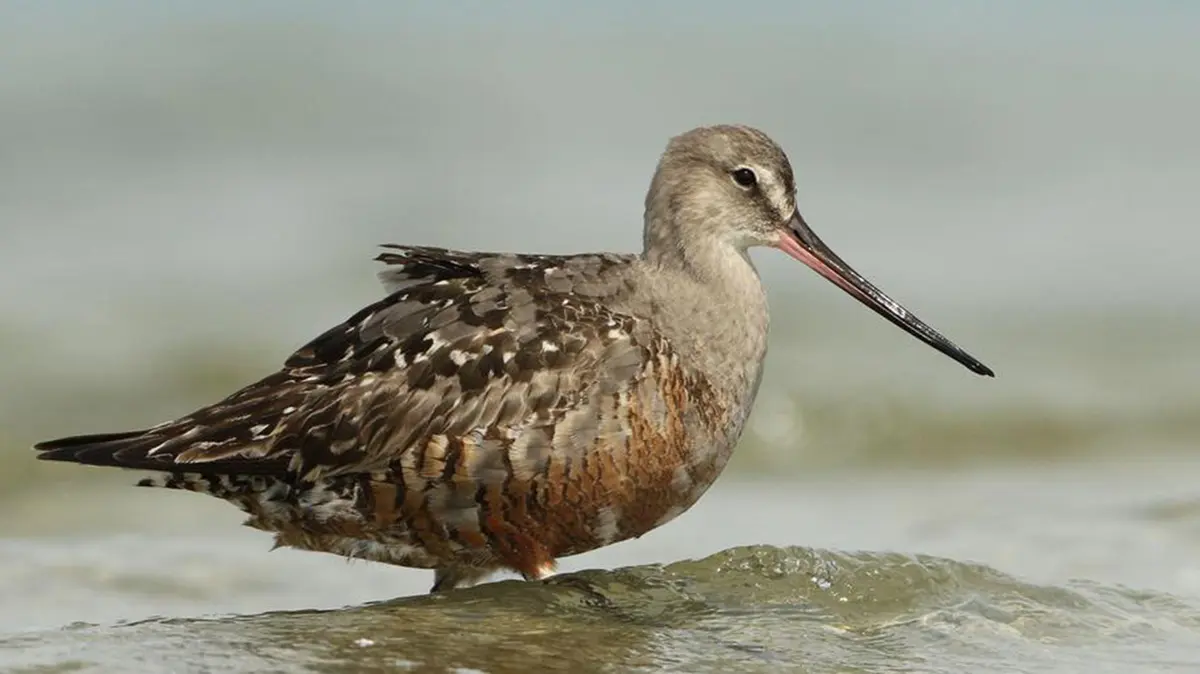
The Hudsonian godwit is making headlines because its population has collapsed. Reports presented at the Convention on the Conservation of Migratory Species revealed that numbers of this long‑distance migratory bird have plunged by about 95 percent over the past four decades. The species was therefore proposed for international protection at the meeting held in Brazil, drawing global attention to the threats faced by migratory shorebirds.
Background
The Hudsonian godwit (Limosa haemastica) is a medium‑sized wader that breeds in the Arctic and undertakes one of the most remarkable migrations on Earth. These birds fly from Alaska and northern Canada to southern South America and back each year, covering nearly 30,000 kilometres annually and sometimes flying about 11,000 kilometres non‑stop without feeding or sleeping. To complete this journey they require predictable, food‑rich stopovers at every stage of their route.
Why is the population falling?
- Climate‑related mismatches: Warmer springs in the Arctic are altering the timing of insect emergence. Godwit chicks hatch later than peak food availability, leading to poor survival.
- Disturbance at feeding grounds: In Chile and other parts of South America, intensive salmon and oyster farming has filled intertidal zones with nets and boats, forcing godwits to search for alternative feeding sites.
- Loss of wetlands: Changes in U.S. agricultural practices are draining the shallow wetlands that godwits depend on during migration, making reliable stopover habitat rarer.
- Multiple pressures: Ecologists note that while species can often cope with a single stressor, the combination of climate change, habitat loss and human disturbance is proving catastrophic for godwits.
Conservation efforts
The Hudsonian godwit is among 42 species proposed for stricter protection under the United Nations Convention on Migratory Species. Countries where these birds breed, stop and winter would be legally obliged to protect their habitats, remove migration barriers and coordinate conservation. Conservationists stress the importance of preserving wetlands along the entire migration route and mitigating climate change impacts to give godwits a fighting chance.
Conclusion
Once a common sight on Arctic tundra and Patagonian shores, the Hudsonian godwit is now a symbol of the dangers faced by migratory species. Without urgent action to protect stopover wetlands and address climate change, this incredible traveller could vanish from its long‑distance corridors. Coordinated international conservation offers the best hope for reversing its decline.
Source: The Hindu

