

Why in news?
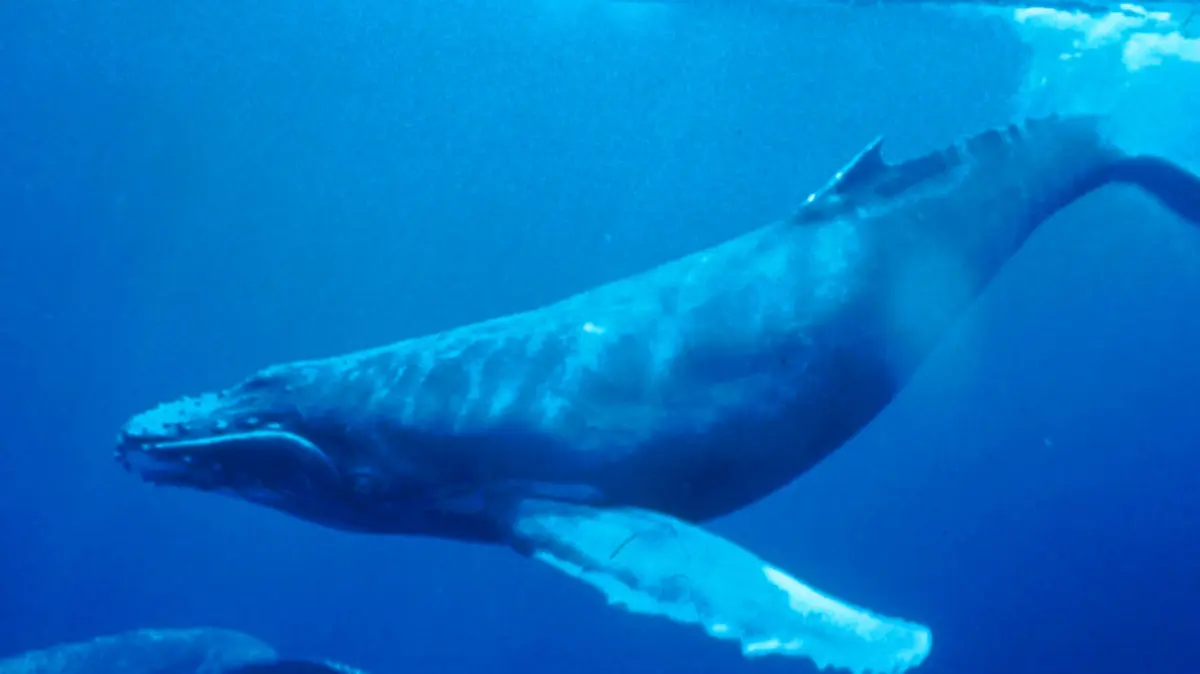
A 12‑metre humpback whale became stranded in shallow waters near Wismar, Germany, after entering the Baltic Sea in late March 2026. A rescue operation involving locals and wildlife experts helped the whale free itself and swim towards deeper water, drawing public attention to marine conservation.
Background
The humpback whale (Megaptera novaeangliae) is a type of baleen whale and belongs to the rorqual family. These whales are known for their long pectoral fins, distinctive hump on the back and elaborate songs produced by males. Adults can grow 12–16 metres long and weigh up to 40 tonnes.
Humpbacks undertake some of the longest migrations in the animal kingdom. They spend summers feeding on krill and small fish in polar waters and then travel thousands of kilometres to tropical seas to breed and calve. Their feeding technique, called bubble‑net feeding, involves blowing bubbles around a shoal of prey to trap it before lunging upward with mouths open.
Key points
- Global distribution: Humpback whales are found in all major oceans, though distinct populations do not mix across hemispheres. The species is classified as Least Concern by the International Union for Conservation of Nature (IUCN) but remains threatened by entanglement in fishing gear, ship strikes and noise pollution.
- Reproduction and lifespan: Females give birth to a single calf every two to three years after a gestation period of about 11 months. Calves stay with their mothers for a year and the species can live for 50 years or more.
- Stranding incidents: Whales occasionally enter enclosed seas or shallow waters while chasing prey or due to navigational errors. In the Baltic Sea, narrow straits and changing salinity make it difficult for large whales to find their way back to the open ocean.
Significance of the rescue
- Human–wildlife cooperation: The successful effort to guide the whale highlights the role local communities can play in protecting marine life.
- Awareness of threats: Events like this draw attention to the challenges whales face, including climate change, pollution and habitat disturbance, and underscore the need for international conservation measures.
- Monitoring migrations: Scientists noted that the whale likely entered the Baltic while following herring. Tracking such movements can improve understanding of whale behaviour and inform maritime policies to reduce risks.
Conclusion
The Wismar rescue demonstrates both the vulnerability and resilience of humpback whales. Continued public engagement and adherence to marine protection guidelines are vital to ensure these magnificent animals thrive in the world’s oceans.
Source: The Times of India