

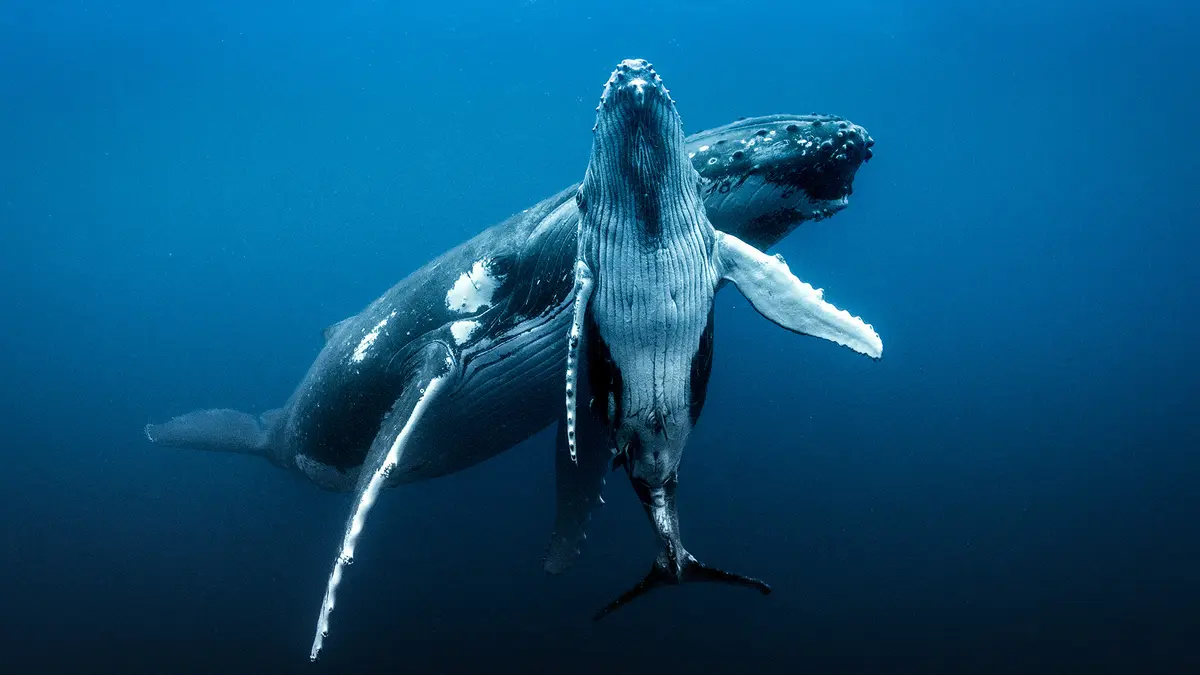
Why in news?
Recent surveys show that the global population of humpback whales has rebounded from about 10,000 individuals at the height of commercial whaling to nearly 80,000 today. Scientists attribute the recovery to the 1986 ban on commercial whaling and the whales’ ability to adapt their feeding habits.
Background
Humpback whales are migratory baleen whales known for their haunting songs and spectacular breaching. Commercial hunting in the 19th and 20th centuries drove many populations to the brink of extinction. For example, eastern Australian humpback numbers plummeted to around 150 by the early 1960s. The International Whaling Commission’s 1986 moratorium on commercial whaling provided much‑needed respite.
Humpbacks feed on krill and small fish. Researchers have found that they can switch diet depending on prey availability and even use innovative strategies like “trap feeding”, where whales create a net of bubbles to corral fish. As sea ice melts due to climate change, humpbacks are also expanding into new Arctic feeding grounds.
Key factors behind the resurgence
- International protection: The global whaling ban and subsequent conservation measures allowed populations to recover over several decades.
- Dietary flexibility: Studies show that humpbacks can rapidly switch from fish to krill when one food source declines. This adaptability helps them survive ecosystem changes.
- Creative feeding behaviours: Observations of trap feeding and cooperative “bubble net” hunting suggest that humpbacks learn and share efficient techniques.
- Expanding habitat: Melting sea ice is opening new feeding areas in the Arctic, giving whales access to abundant prey. However, this expansion also raises concerns about increased ship strikes and noise.
Outlook
While humpback numbers have rebounded impressively, scientists caution that other whale species such as bowheads and belugas remain vulnerable. Continued monitoring, responsible tourism and reduction of ocean noise and ship strikes are essential to ensure long‑term recovery. The humpback story offers hope that concerted conservation efforts can restore even severely depleted marine species.
Source: IT