

Why in news?
Researchers reported encouraging results from a small clinical trial of a gene therapy called AMT‑130 for Huntington’s disease. In participants receiving a higher dose, the therapy slowed disease progression by about three‑quarters over three years. These findings, announced in January 2026, have rekindled hope for a condition long considered untreatable.
Background
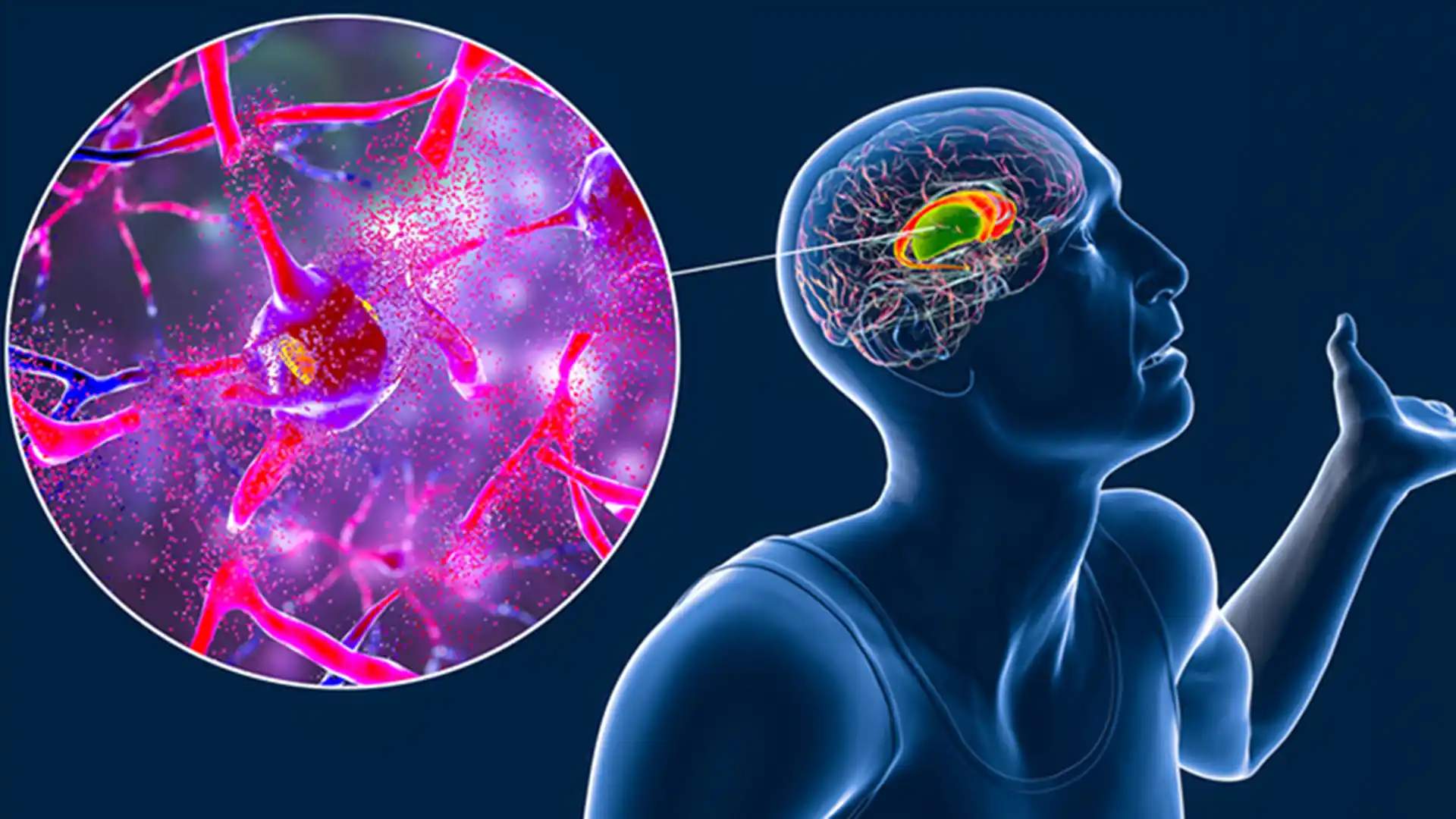
Huntington’s disease is a rare but devastating hereditary brain disorder. It arises from a defect in the Huntingtin (HTT) gene, where excessive repeats of a DNA sequence (CAG) produce a toxic protein. The disease follows an autosomal dominant pattern: inheriting just one faulty gene from a parent leads to disease. Symptoms usually appear between ages 30 and 50 and include involuntary movements, muscle rigidity, cognitive decline and behavioural changes. Over time, nerve cells in the brain degenerate, and patients typically survive 15–20 years after symptoms begin. To date there is no cure; treatment focuses on managing symptoms and providing counselling for affected families.
What the new therapy shows
- Mechanism: AMT‑130 uses a harmless virus to deliver microRNA into the brain. This genetic payload reduces production of the mutant huntingtin protein by silencing the faulty gene instructions.
- Clinical results: In a Phase 1/2 trial, patients receiving the higher dose experienced about a 75 percent reduction in the rate of decline compared with matched controls. Measures of neurodegeneration such as neurofilament light levels in cerebrospinal fluid fell below baseline, suggesting the therapy may protect brain cells rather than simply mask symptoms.
- Caveats: The study involved fewer than 30 volunteers and long‑term safety remains unknown. The results have yet to undergo full peer review. Nevertheless, the data hint at the possibility of slowing or delaying disease onset in people carrying the HD gene.
Looking ahead
Even with promising gene‑based treatments, early diagnosis, genetic counselling and supportive care remain vital. Trials such as AMT‑130 highlight the potential of gene therapy to modify the disease course. Broader trials and long‑term follow‑up will determine whether such interventions can be offered widely. Until then, lifestyle adjustments, physical therapy and medications to control movement and mood continue to form the mainstay of care for affected families.
Source: SA