
Why in news?
On 4 April 2026 India dispatched 1,000 metric tonnes of rice to the West African country of Burkina Faso. The shipment, announced by the Ministry of External Affairs, is part of New Delhi’s humanitarian outreach to nations facing food insecurity and coincides with similar aid sent to Malawi and Mozambique. The assistance underscores India’s commitment to the Global South and its policy of Vasudhaiva Kutumbakam—the world is one family.
Background
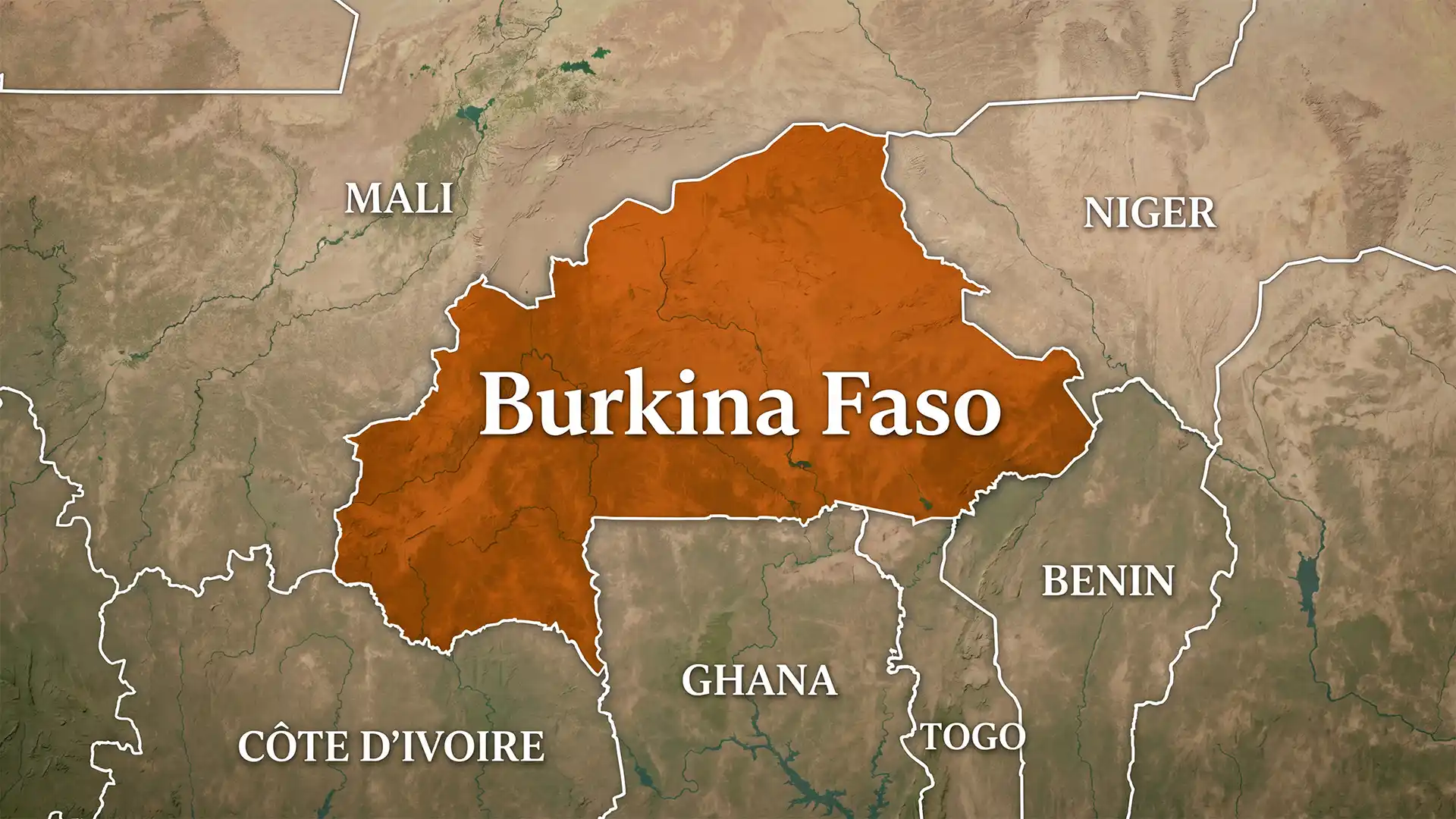
Burkina Faso is a landlocked country in West Africa, slightly larger than the U.S. state of Colorado. It is bordered by Mali to the north and west, Niger to the east, Benin to the south‑east, Togo and Ghana to the south and Côte d’Ivoire to the south‑west. The terrain consists mainly of a gently undulating savanna plateau at an average elevation of about 297 metres above sea level, with low hills in the southwest where the country’s highest point, Mount Tenakourou (749 metres), is located. Three branches of the Volta River—the Black, White and Red Voltas—traverse the country and flow south into Ghana. Burkina Faso has a tropical savanna climate in the south and a semi‑arid Sahelian climate in the north. The country’s economy is largely agrarian, dependent on subsistence farming and cotton cultivation, and it is rich in mineral resources such as gold, manganese, zinc and phosphate. Recurrent droughts, desertification and armed violence have exacerbated food insecurity and displaced millions of people.
Recent humanitarian context
- Food insecurity: The United Nations estimates that millions of Burkinabè require urgent food and nutritional assistance due to prolonged droughts, poor harvests and conflict with extremist groups. Internally displaced persons (IDPs) number in the hundreds of thousands.
- India’s assistance: India’s consignment of 1,000 tonnes of rice is intended to support vulnerable communities and displaced families. New Delhi has also donated rice and wheat to other African nations and provided lines of credit for agricultural and developmental projects.
- Strategic engagement: Alongside humanitarian aid, India has been exploring partnerships in mining and renewable energy in West Africa. Providing food assistance strengthens goodwill and lays the groundwork for deeper economic cooperation.
Significance
- Solidarity with the Global South: By offering humanitarian aid without conditions, India positions itself as a reliable partner for developing countries facing crises. This enhances its soft power and diplomatic influence.
- Addressing hunger: Food shipments help alleviate immediate shortages and support the efforts of local and international agencies working to stabilise the situation in Burkina Faso.
- Geostrategic outreach: Strengthening ties with West African countries may facilitate cooperation in areas such as mining, pharmaceuticals and digital technology, benefiting both sides.
Conclusion
India’s rice shipment to Burkina Faso demonstrates a pragmatic blend of humanitarianism and diplomacy. While assisting people in need, India reinforces its long‑standing principle of treating the world as one family and builds bridges for future collaboration.
Source: News on Air

