

Why in news?
India has been elected to serve as vice chair of the Kimberley Process Certification Scheme (KPCS) in 2025 and will assume the chairmanship beginning 1 January 2026. It will be the third time India leads this global initiative aimed at eliminating conflict diamonds from the international trade.
Background
The Kimberley Process (KP) is a tripartite initiative involving governments, the international diamond industry and civil society. It emerged in 2003 after global concern that revenues from rough diamonds were funding civil wars in Africa. Through the KPCS, participant countries certify shipments of rough diamonds as conflict‑free and agree to trade only with other members. Today, 60 participants representing 85 countries (the European Union counts as a single participant) account for more than 99 percent of the world’s rough diamond trade.
India’s role and upcoming priorities
- Third time as chair: India previously chaired the Kimberley Process in 2008 and 2019. As vice chair in 2025 and chair in 2026, it will guide the implementation of policies to strengthen the certification scheme.
- Focus areas: India has indicated that it will work to enhance governance within the KP, develop digital certification systems, improve transparency and build consumer confidence in ethically sourced diamonds.
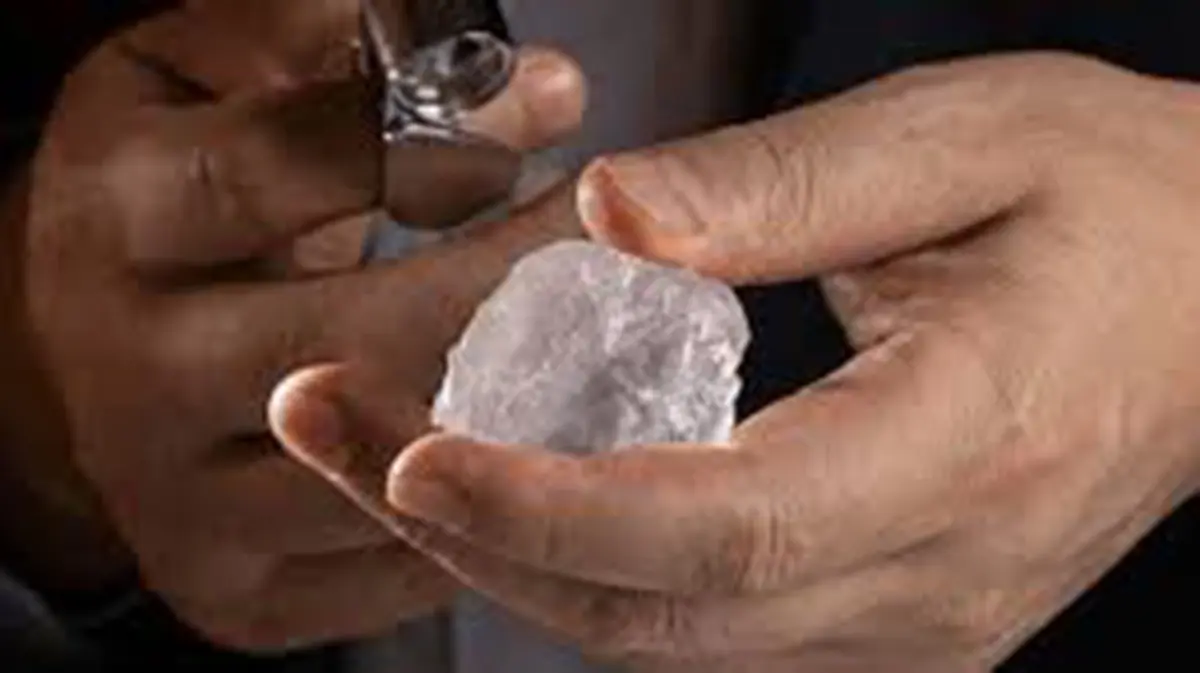
- Conflict diamonds defined: The KP defines conflict diamonds as rough diamonds used by rebel movements or their allies to finance armed conflict. Participating countries must implement domestic legislation, commit to transparency and allow verification of exports to ensure compliance.
- Certification process: Under the KPCS, each shipment of rough diamonds must be sealed in tamper‑resistant containers and accompanied by a government‑validated certificate. Only participants meeting minimum standards may trade with one another.
Sources: PIB