

Why in news?
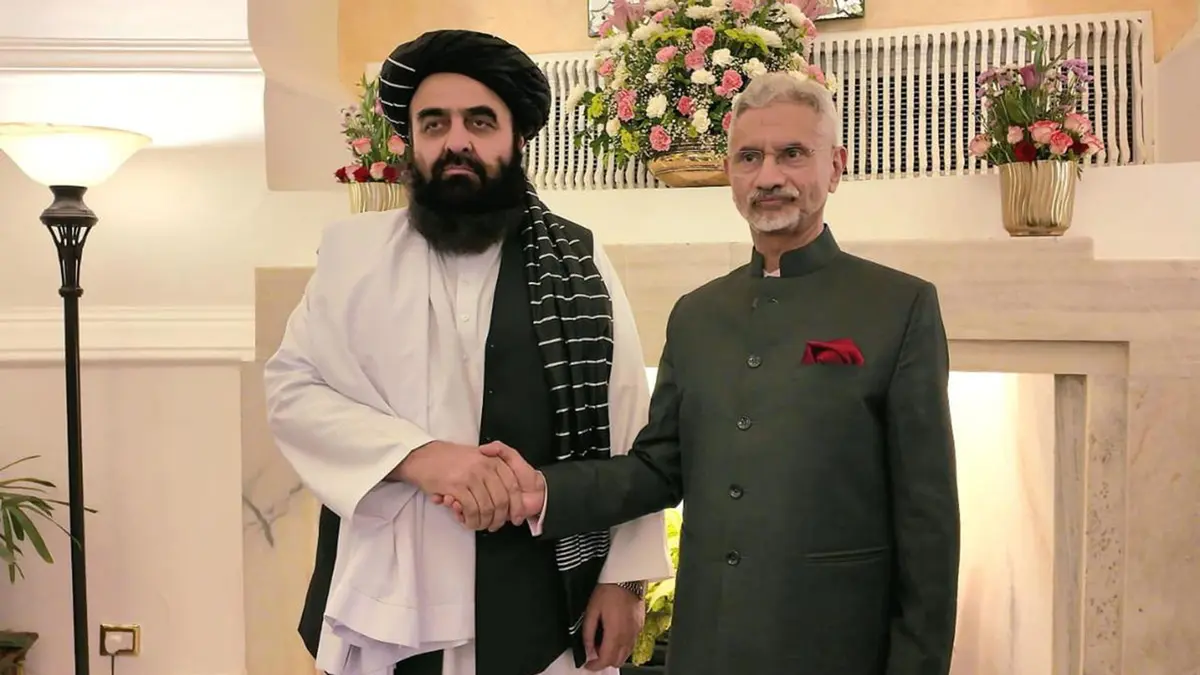
Recent diplomatic engagements between the Taliban administration and neighbouring countries have raised questions about India’s policy towards Afghanistan. Media reports in early October 2025 highlighted talks between the Taliban and several regional powers, prompting analysis of India’s options.
Historical ties
India and Afghanistan share millennia of cultural, economic and political links. After 2001 India emerged as a key development partner, investing over US$3 billion in roads, dams, schools and the Parliament building. India also trained Afghan civil servants and security forces. The Taliban’s return to power in August 2021 forced New Delhi to evacuate diplomats and reconsider its strategy. Unlike during the Taliban’s first regime (1996–2001), India has maintained quiet engagement via humanitarian aid and participation in regional dialogues.
Policy dilemmas
- Recognition versus engagement: India has not formally recognised the Taliban government but continues to provide wheat, medicines and vaccines to avoid humanitarian disaster.
- Security concerns: Terror groups like Lashkar‑e‑Taiba and Islamic State Khorasan Province operate from Afghanistan. India fears that a friendly Taliban could harbour militants targeting Indian interests.
- Strategic interests: Afghanistan is a gateway to Central Asia and a source of minerals like lithium. India must balance ties with the Taliban against relations with Western allies and the Afghan diaspora.
- Regional diplomacy: Pakistan, China, Iran and the Gulf states are deepening engagement with Kabul. India risks losing influence if it remains aloof.
Way forward
Analysts advocate a calibrated approach: engage with the Taliban at a working level to ensure humanitarian aid, press for inclusive governance and women’s rights, and cooperate on counter‑terrorism. Simultaneously, India should maintain links with Afghan civil society, support education for girls and coordinate with regional partners to promote stability. Patience and pragmatism will be essential as Afghanistan’s future remains uncertain.