Why in news?
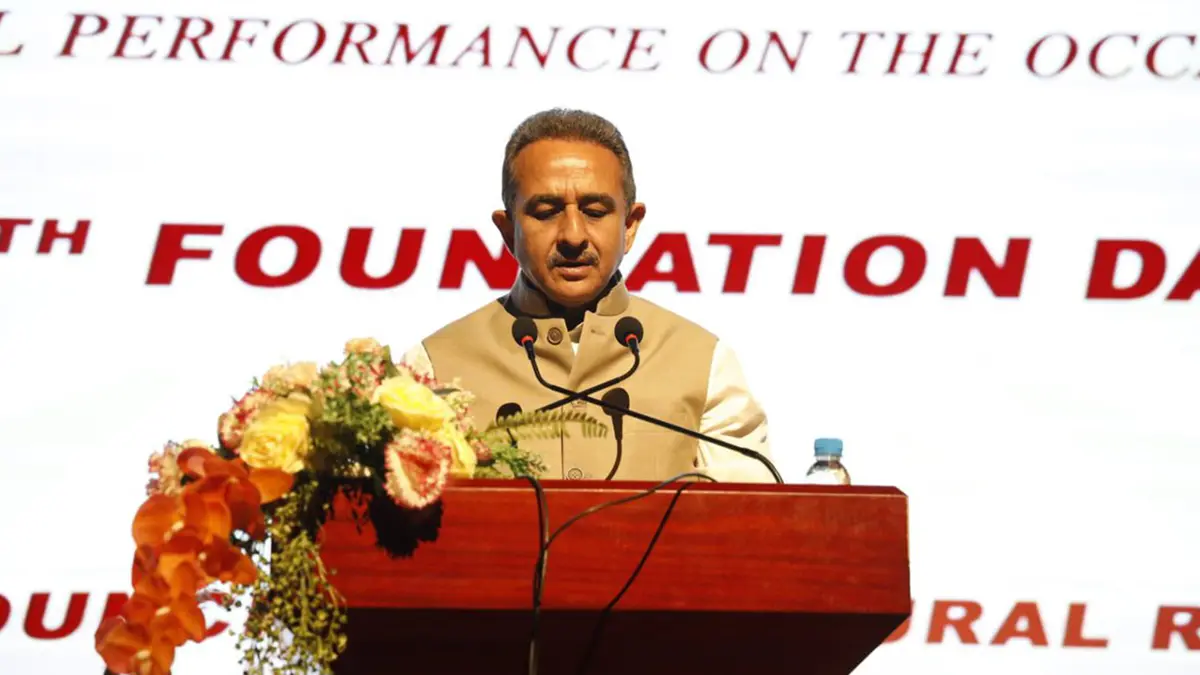
The Indian Council for Cultural Relations celebrated its foundation day on 9 April 2026 with cultural programmes organised at Indian missions worldwide. Performances of folk dances such as Bihu and Garba, classical music and contemporary arts showcased India’s rich cultural heritage and highlighted the organisation’s role in cultural diplomacy.
Background
The ICCR is an autonomous body under the Ministry of External Affairs. It was founded on 9 April 1950 by Maulana Abul Kalam Azad, India’s first Education Minister. The council’s mandate is to promote India’s cultural relations with other countries through cultural exchanges, exhibitions, scholarships, festivals and academic collaboration. Initially part of the Education Ministry, the ICCR became associated with the External Affairs Ministry as India recognised the importance of culture in foreign policy.
Activities and programmes
- Cultural festivals: Organising dance, music and art festivals abroad to showcase India’s diversity and foster mutual appreciation.
- Scholarships: Offering scholarships to foreign students to study in Indian universities, thereby building enduring people‑to‑people ties.
- Artist exchanges: Facilitating residencies and exchanges for artists, writers and performers to collaborate with international counterparts.
- Establishing cultural centres: Running Indian cultural centres in countries around the world, which provide language classes, yoga sessions and exhibitions.
Significance
- Soft power: Cultural diplomacy helps improve India’s image abroad, build goodwill and deepen connections with foreign audiences.
- Promoting diversity: By showcasing regional art forms and traditions, the ICCR highlights the pluralism of Indian society.
- Educational cooperation: Scholarships and academic exchanges encourage knowledge sharing and long‑term partnerships between India and other nations.
Sources
Sources: News On Air