Why in news?
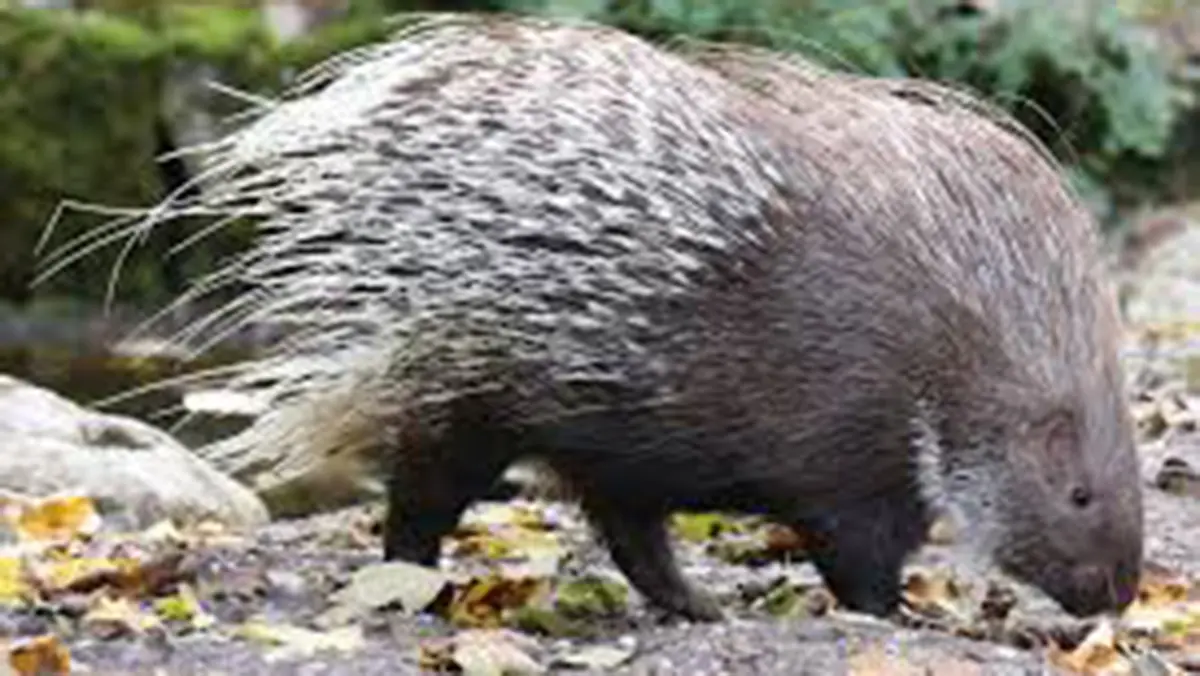
Farmers in Pampore, Jammu & Kashmir, reported that Indian crested porcupines have been digging up saffron corms, leading to a sharp drop in saffron yield. Production in the region has fallen dramatically over the past decade, and the protected status of the porcupines prevents farmers from killing them. The situation has sparked calls for humane deterrence measures and better habitat management.
Background
The Indian crested porcupine (Hystrix indica) is a large rodent native to south and central Asia and parts of the Middle East. It thrives in rocky hills, scrublands, grasslands and forests, and is well adapted to the Himalayas up to about 2 400 m. Adults can weigh between 11 and 18 kg and possess long sharp quills on the back and tail that rattle when threatened. These nocturnal animals are primarily herbivorous, feeding on roots, tubers and bark. In recent years, habitat loss, the decline of natural predators and milder winters have brought them closer to human fields.
Saffron under threat
- Declining yields: Pampore, known as India’s saffron capital, has seen saffron production drop from around 22 000 kg to roughly 1 000 kg over the past 15 years due in part to porcupine damage.
- Why porcupines target corms: The porcupine’s diet includes underground storage organs such as bulbs and tubers. Saffron crocus corms are rich in carbohydrates and moisture, making them attractive during lean months.
- Legal constraints: Under India’s Wildlife Protection Act the species is protected, so farmers cannot trap or kill porcupines without permission. This forces them to adopt non‑lethal deterrents.
- Suggested mitigation: Experts recommend clearing abandoned burrows, erecting deep mesh fences around fields, painting tree trunks white to make porcupines more visible to predators and using natural repellents such as pepper spray. Restoring forest cover and protecting predators like leopards may help balance the ecosystem.
Ecological role
Although the porcupines currently pose a challenge for saffron cultivation, they play important ecological roles. By digging for roots, they aerate soil and aid nutrient cycling. Their herbivory influences plant community composition, and their quills provide defence against predators.
Source: The Times of India, Animal Diversity Web