

Why in news?
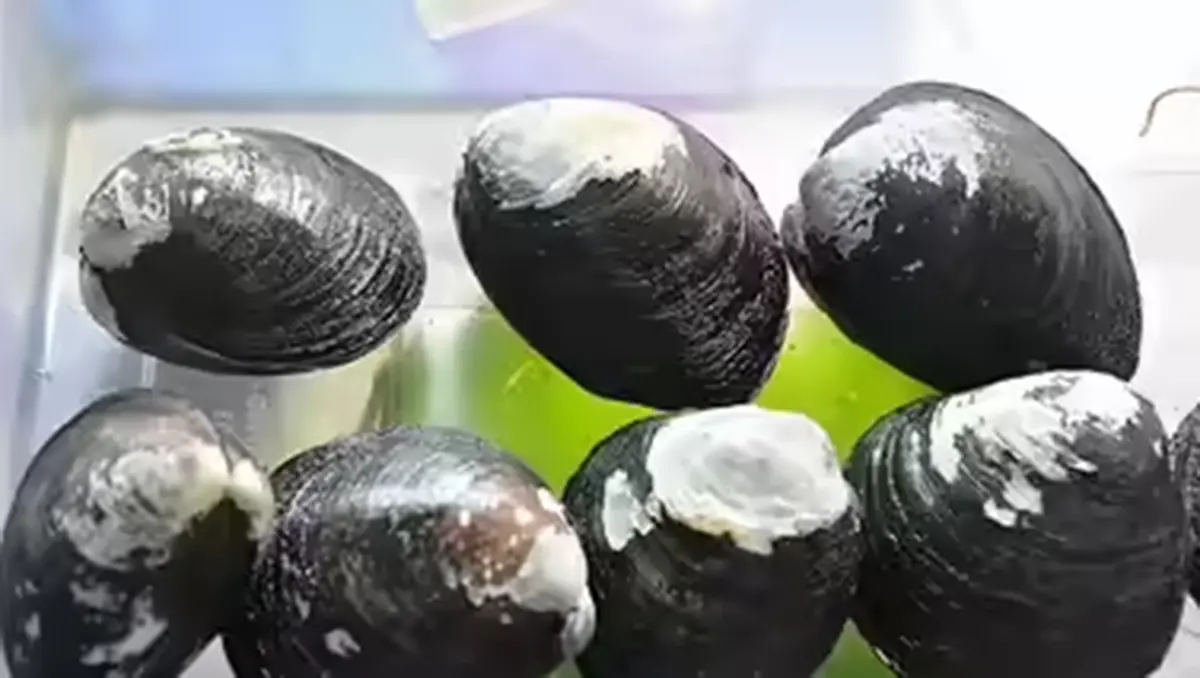
Scientists at the Indian Council of Agricultural Research’s Central Marine Fisheries Research Institute (ICAR–CMFRI) have successfully induced spawning of the mangrove clam (Geloina erosa) in captivity. This marks one of the first documented cases of full embryonic and larval development of this species under controlled conditions. The achievement is significant for sustainable aquaculture and conservation.
Background
Mangrove clams, also known as mud clams, inhabit the brackish waters of estuaries and mangrove forests along India’s coast. They are an important source of food and income for coastal communities but populations have declined due to overharvesting and habitat loss. Unlike other clams and oysters, mangrove clams had not been successfully bred in captivity on a large scale, limiting attempts to restock wild populations.
What scientists did
- Induced spawning: Researchers stimulated adult clams in laboratory tanks to release eggs and sperm. Fertilization occurred under controlled conditions.
- Full development: The embryos and larvae developed through all stages until the juveniles could be transferred to nursery systems, proving that captive breeding is viable.
- Next steps: The team is working to refine larval rearing and nursery techniques to produce large numbers of healthy juveniles for farming and replenishing wild stocks.
Significance
- Supporting aquaculture: Hatchery‑bred seeds will allow farmers to culture mangrove clams sustainably without overexploiting wild populations.
- Ecological benefits: Restoring clam populations can help stabilize estuarine ecosystems because these animals filter water and recycle nutrients.
- Livelihoods: Coastal communities can diversify incomes by farming clams and selling them in domestic and export markets.
Conclusion
The breakthrough in induced breeding of mangrove clams opens the door to sustainable aquaculture and restoration of dwindling populations. With proper training and continued research, this technology can boost coastal economies and conserve marine biodiversity.
Source: TH