

Why in news?
The Himachal Pradesh government has unveiled a policy to legalise and regulate the cultivation of industrial hemp. Chief Minister Sukhvinder Sukhu described the initiative as part of the state’s “Green‑to‑Gold” strategy aimed at creating jobs and generating revenue through environment‑friendly industries.
Background
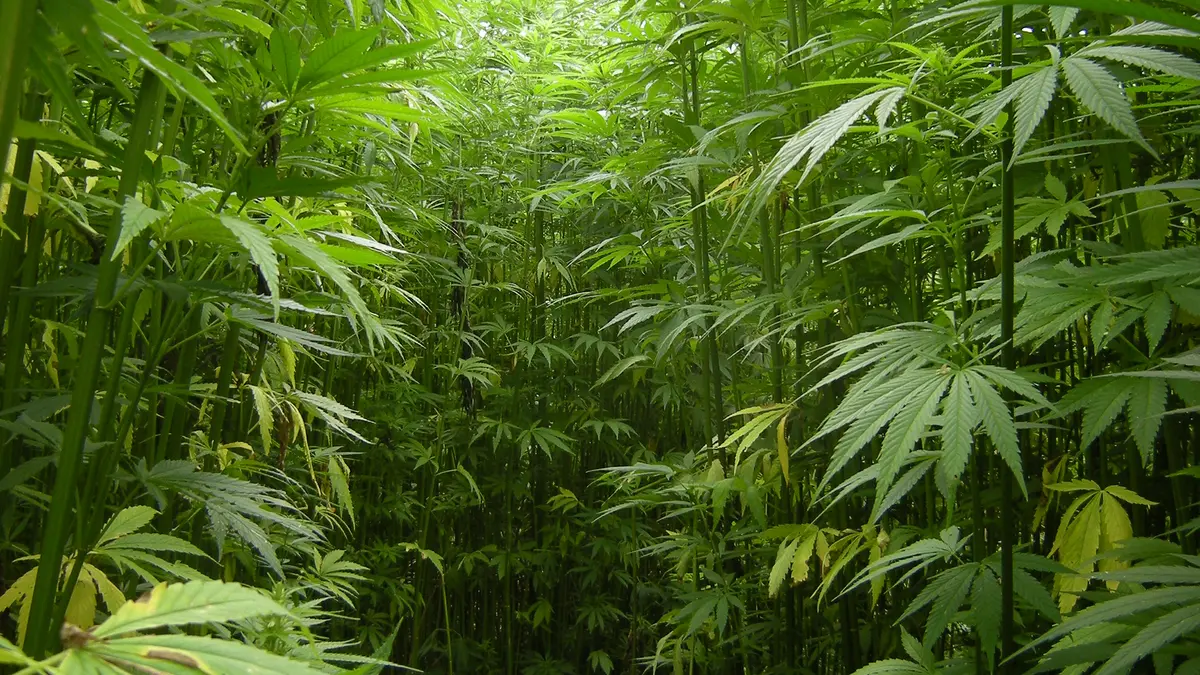
Hemp (Cannabis sativa) is a versatile plant that contains very low levels of the psychoactive compound tetrahydrocannabinol (THC). While recreational marijuana varieties can contain over 5 percent THC, industrial hemp must contain less than 0.3 percent THC by dry weight. The plant’s fibres and seeds can be used to make textiles, paper, food, biofuel and building materials. Several Indian states have been exploring regulated cultivation to tap into these markets.
Highlights of the policy
- Regulated cultivation: Farmers will be permitted to grow certified low‑THC hemp varieties under strict licensing. Government agencies and agricultural universities are developing seed strains suited to local conditions.
- Wide range of products: Hemp can be processed into fibre for clothing, ropes and paper; seeds can produce nutritious oil rich in omega‑3 fatty acids; biomass can be converted into biodegradable plastics, biofuels and eco‑friendly construction materials. The policy encourages start‑ups in these sectors.
- Revenue potential: State officials expect hemp to become a major cash crop, generating between ₹1,000–2,000 crore annually by supplying industries such as pharmaceuticals, cosmetics and packaging.
- Environmental benefits: Hemp grows quickly, requires minimal pesticides and helps restore soil fertility. Shifting from illegal cannabis to regulated industrial hemp may also reduce narcotic abuse.
Conclusion
By legalising industrial hemp, Himachal Pradesh aims to develop a sustainable bio‑economy that creates jobs while preserving the environment. Success will depend on effective regulation, farmer education and investment in processing facilities.
Sources: The Indian Express