

Why in news?
The Inland Waterways Authority of India (IWAI) signed a series of agreements worth about ₹3,000 crore during India Maritime Week 2025. These memorandums of understanding aim to boost cargo transport, passenger services and river‑tourism infrastructure across the North‑East, signalling a major push to revitalise inland water transport in the region.
Background
IWAI is a statutory body created under the Inland Waterways Authority of India Act, 1985. It became operational on 27 October 1986 and functions under the Ministry of Ports, Shipping and Waterways. The Authority is responsible for developing and regulating inland waterways for shipping and navigation. Its tasks include dredging river channels, building terminals, maintaining navigational aids and conducting feasibility studies for declaring additional waterways as National Waterways. Headquartered in Noida, Uttar Pradesh, IWAI maintains regional offices in Patna, Kolkata, Guwahati and Kochi, with sub‑offices across the country.
Recent agreements for the North‑East
- Cargo transport: A pact with Assam Petro‑Chemicals will facilitate the movement of methanol and formalin along the Indo‑Bangladesh Protocol route and National Waterways‑2 and ‑16, improving cross‑border trade.
- Water metro: IWAI will collaborate with the Government of Assam to develop a modern urban water‑transport system (water metro) in and around Guwahati, providing an alternative to congested roadways.
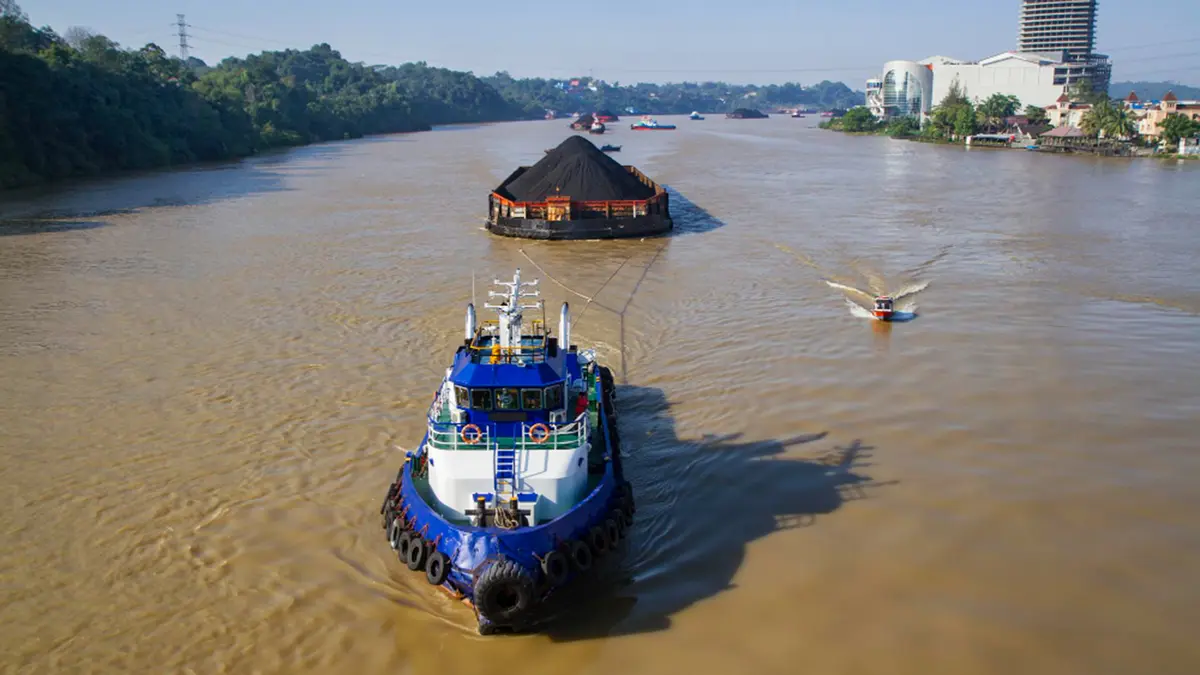
- Fleet modernisation: An understanding with Rhenus Logistics (India) Pvt. Ltd. involves investing in eco‑friendly tug‑and‑barge combinations tailored for North‑East waterways, creating cost‑effective freight options.
- Tourism infrastructure: MoUs include developing lighthouses, passenger jetties and cruise terminals at key river stretches to promote tourism and heritage cruises.
Significance for the region
- Economic integration: Improved waterways will connect remote areas of Assam, Nagaland, Tripura and neighbouring states, lowering transportation costs and facilitating trade.
- Cross‑border connectivity: Using rivers that flow into Bangladesh enhances India’s access to the Bay of Bengal and reduces dependence on land routes through the Siliguri Corridor.
- Environmental benefits: Water transport is more energy‑efficient and produces fewer emissions than road or rail transport, supporting India’s climate goals.
- Tourism potential: River cruises and waterfront development can boost local economies, creating jobs in hospitality and allied sectors while showcasing the region’s rich culture and biodiversity.
Conclusion
The flurry of agreements signed by IWAI underscores the government’s commitment to transforming the North‑East into a hub of inland water transport. With careful implementation and community engagement, these projects could revitalise regional trade and tourism while preserving the ecological health of the Brahmaputra and Barak river systems.
Sources: DD News · Press Information Bureau