
Why in news?
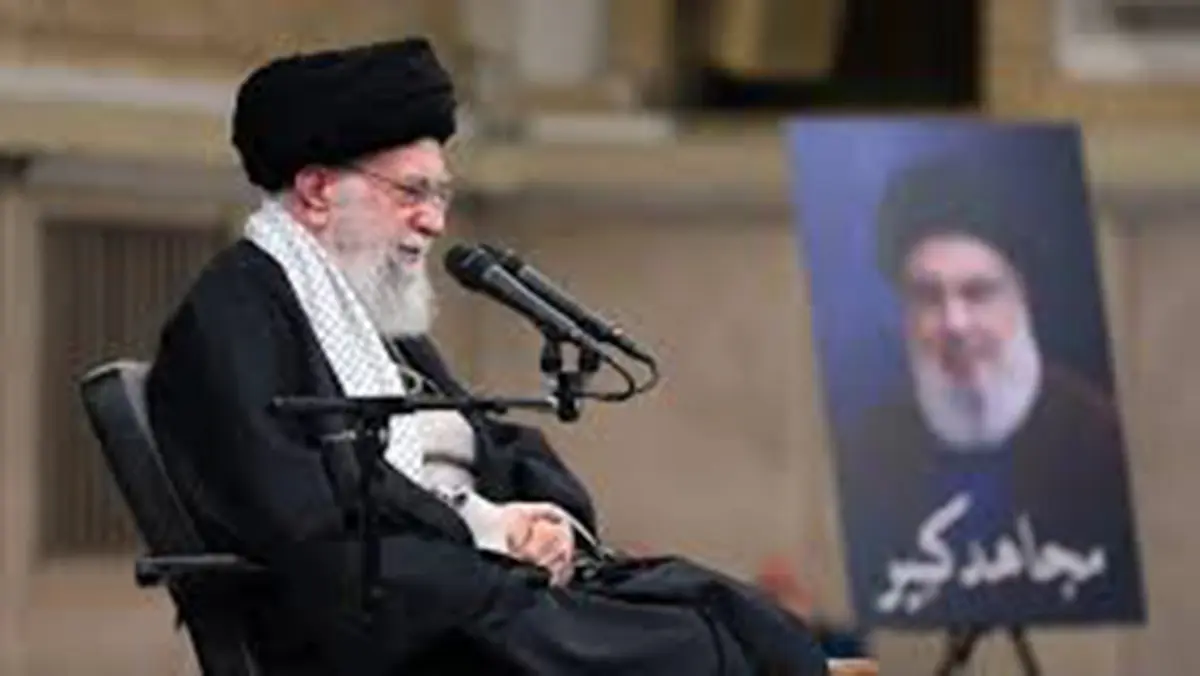
Ayatollah Ali Khamenei, Iran's 86-year-old Supreme Leader, was killed in a recent missile strike amid the escalating conflict involving Iran, the United States and Israel. His death triggered the constitutional process to appoint a successor and drew attention to the powerful position the Supreme Leader holds in Iran's political system. Understanding Iran's power structure helps explain why the selection of the next leader matters for the country and the wider region.
Background
Iran's modern politics is deeply intertwined with Shia religious authority. Before the 1979 Islamic Revolution, religious leaders often participated in anti-monarchist movements such as the Tobacco Protest of the 1890s and the Constitutional Revolution of 1906. The revolution led by Ayatollah Ruhollah Khomeini overthrew the Shah and established an Islamic Republic. Khomeini advanced the doctrine of velayat-e-faqih (rule of the jurisprudent), which grants a senior Islamic jurist ultimate authority over state affairs. This principle, enshrined in the 1979 Constitution, created the office of the Supreme Leader at the apex of Iran's "power pyramid".
Religion and politics in Iran
- Long history of clerical activism: Shia scholars and mosques have long been centres of political mobilisation. During the revolution, mosques offered relatively safe spaces for organising against the Shah's repressive regime.
- Velayat-e-faqih: Ayatollah Khomeini argued that in the absence of the hidden Imam, a qualified jurist should lead the Islamic community. This became the ideological basis for clerical rule and the dominant role of the Supreme Leader.
- Constitutional framework: The Constitution combines elements of Islamic governance with republicanism. It creates elected institutions like the President and Parliament (Majlis) but places ultimate authority in the hands of the Supreme Leader, who is chosen by the Assembly of Experts.
The 1979 Revolution and after
- Creation of the Islamic Republic: The revolution abolished the monarchy and established a new political system with the Supreme Leader at its apex. Ayatollah Khomeini became the first Supreme Leader.
- Selection of Khamenei: After Khomeini's death in 1989, Ayatollah Ali Khamenei, then serving as President, was chosen by the Assembly of Experts to succeed him. The Constitution was amended to remove the post of Prime Minister and distribute power between the President and the Speaker of the Majlis.
- Blend of ideology and pragmatism: Khamenei maintained strict control over the judiciary, military and security services while balancing competing factions. His religious decree against nuclear weapons and approval of the 2015 Joint Comprehensive Plan of Action (JCPOA) illustrate a mix of ideological commitment and political pragmatism.
Key institutions in Iran's power structure
- Supreme Leader: Serves as Iran's head of state, commander-in-chief and highest religious authority. Controls the armed forces, appoints heads of the judiciary and state broadcasting and confirms the President's election.
- Assembly of Experts: A body of 88 elected clerics that appoints and can dismiss the Supreme Leader. It functions like a clerical equivalent of the Vatican's College of Cardinals.
- President and Parliament: The President manages daily administration and implements policies, while the Majlis passes legislation. Both are elected every four years, but their decisions must conform to Islamic principles and are subject to approval by the Guardian Council.
- Guardian Council: A 12-member body comprising six clerics appointed by the Supreme Leader and six jurists approved by Parliament. It vets candidates for elections and reviews legislation to ensure conformity with Islamic law.
- Islamic Revolutionary Guard Corps (IRGC): Established after the revolution to safeguard the regime. It has grown into a powerful military and economic organisation that supports regional allies such as Hezbollah and Hamas.
Growing gap between state and society
- Economic hardships: Decades of sanctions and international isolation have led to inflation, unemployment and declining living standards. Many Iranians have demanded greater accountability and political participation.
- Protests and social movements: Recent demonstrations, including the 2022 Mahsa Amini protests, highlight public frustration over conservative social policies and economic mismanagement.
- Transition pressures: Khamenei's death and the forthcoming selection of a new Supreme Leader occur amid heightened regional tensions. The regime must navigate internal demands for reform while maintaining its ideological identity.
Conclusion
Iran's power pyramid combines religious authority with republican institutions. The Supreme Leader sits at the apex, supported by bodies such as the Assembly of Experts and the Guardian Council, while elected offices operate within clerical oversight. Khamenei's death opens a period of uncertainty for Iran and the wider region. The succession process will test the resilience of the Islamic Republic, and public demands for accountability may shape the future balance between religion and politics.
Source: Indian Express · India Today

