
Why in news?
In the village of Kunnapattu in Tamil Nadu, Irula families who have lived on community land for generations have been served eviction notices. Officials say the land is classified as grazing land, but many Irula households lack formal land titles and have been denied basic services such as electricity. The episode has drawn attention to the struggles of this indigenous community.
Background
The Irula (also spelt Irular) are a Dravidian tribal group native to the Nilgiri Mountains of the Western Ghats and the adjoining plains of Tamil Nadu and Kerala. They are one of India’s oldest indigenous communities and are classified as a Particularly Vulnerable Tribal Group in Tamil Nadu. The community speaks the Irula language, which is related to Tamil and Kannada, and refers to itself as Erlar or Poosari. Traditionally, Irulas have practised slash‑and‑burn agriculture, collected forest produce and worked as healers and snake catchers. Their intimate knowledge of snakes and venom led to the formation of the Irula Snake Catchers’ Industrial Cooperative Society, which supplies most of the venom used to make anti‑snake serum in India.
Cultural features
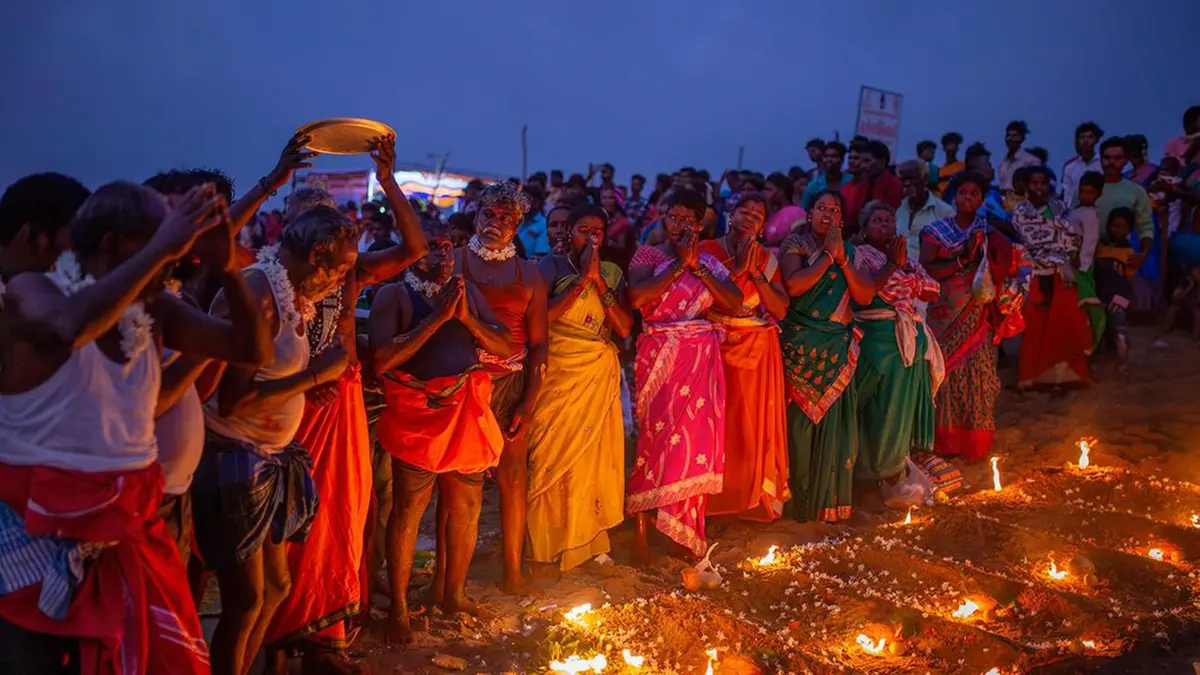
- Religion and beliefs: Irulas practise a form of pantheism. Their main deity is Kanniamma, a virgin goddess associated with the cobra. They also honour spirits inhabiting trees, hills and water bodies.
- Settlements: Traditional Irula homes cluster in small hamlets called mottas located on hillsides surrounded by dry fields, gardens and forests. Houses are built from locally available materials such as mud, thatch and bamboo.
- Livelihoods: Besides agriculture, Irulas earn income by catching snakes, collecting honey and frankincense, and raising cattle. Their expertise in finding and safely extracting venom from snakes is renowned.
- Language and identity: The Irula language belongs to the southern Dravidian family. Many community members also speak Tamil or Malayalam. Irulas maintain oral traditions and folk songs that transmit knowledge about forests and wildlife.
Current issues
- Land rights: In Kunnapattu, about 40 Irula families face eviction because they lack land titles (pattas). Without legal recognition, they are denied electricity and other services. Authorities have offered to relocate them to alternative sites, but the community fears losing its connection to ancestral land.
- Urbanisation pressures: Across Tamil Nadu, Irula settlements are being squeezed by expanding cities and industrial projects. Communities in villages such as Ottiyambakkam and Iyankulam have been asked to move to make way for development.
- Cultural erosion: Relocation threatens Irula cultural practices, rituals and relationship with the forest. Many community members worry that high‑rise housing will separate them from sacred trees and open spaces essential to their way of life.
Significance
- Protection of indigenous rights: The situation in Kunnapattu underscores the need to recognise ancestral land rights and provide security of tenure to indigenous communities.
- Conservation knowledge: Irulas possess invaluable ecological knowledge, particularly regarding snakes and medicinal plants. Preserving their culture benefits broader society and biodiversity conservation.
- Balancing development: Authorities must balance infrastructure development with the rights of tribal communities, ensuring that relocation, if necessary, is voluntary and culturally appropriate.
Conclusion
The Irula tribe’s struggle in Kunnapattu is emblematic of the challenges faced by many indigenous peoples in India. Securing land rights, preserving cultural heritage and involving communities in decisions that affect them are essential to achieving inclusive development.
Source: The Hindu

