Why in news?
A new study suggests that the jamun tree (Syzygium) originated far earlier than previously believed and that India was a major centre for its early diversification. The findings reshape our understanding of this important fruit tree’s evolutionary history.
Background
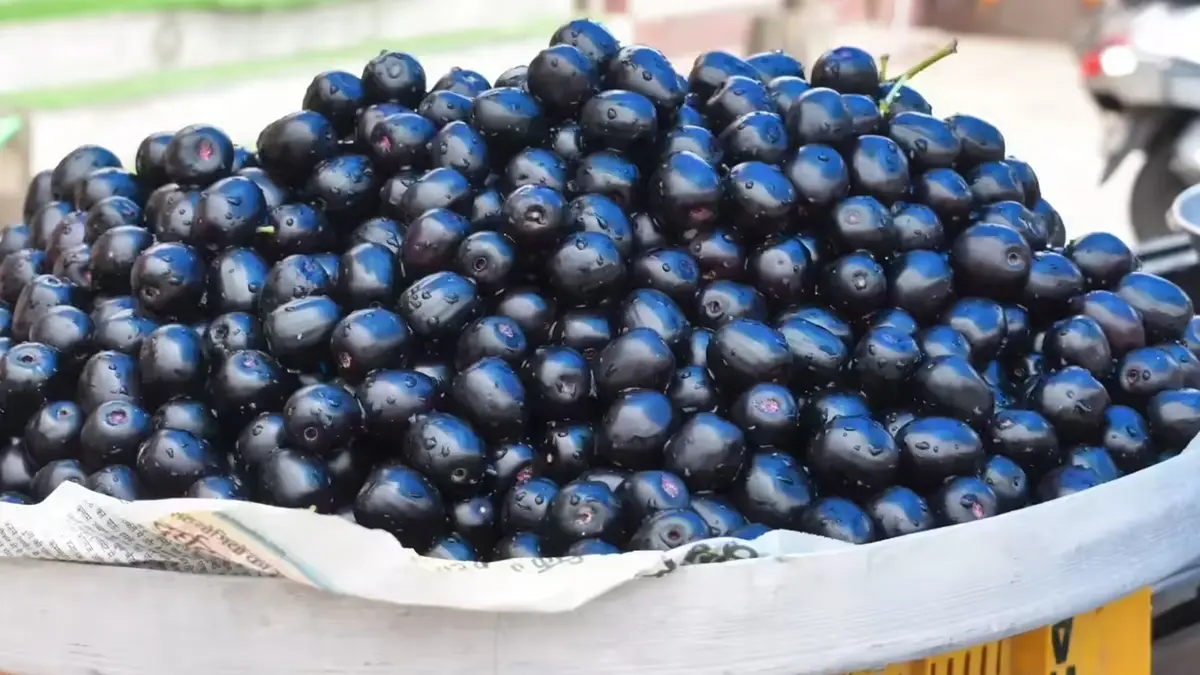
Jamun, also known as black plum or Indian black cherry, is a minor fruit of commercial value widely grown in India. The tree thrives in tropical and subtropical climates, tolerates salinity and water‑logged soils and grows on well‑drained loamy soils. It is found throughout India and neighbouring countries and can occur at elevations up to 1,300 metres in the Himalayas and 1,600 metres in the Kumaon hills.
New research on its evolution
- Study findings: Scientists from the Birbal Sahni Institute of Palaeosciences (BSIP) and other institutions re‑examined fossil evidence and found that Syzygium originated in East Gondwana about 80 million years ago. India played a central role in the genus’s early diversification. Previously, botanists had proposed an Australian or Southeast Asian origin.
- Fossil evidence: Researchers collected 11 well‑preserved fossil leaves from Early Miocene deposits (~20 million years old) in the Kasauli Formation of Himachal Pradesh. The fossils, named Syzygium paleosalicifolium, were analysed using microscopy and compared with modern herbarium specimens. They showed that members of the genus were present in India since at least the Early Eocene (~55 million years ago).
- Implications: The study indicates that Syzygium may have dispersed from India to Southeast Asia and Australia. It underscores the importance of the Indian subcontinent in plant evolution and highlights how integrating fossil records with modern genetic data can change biogeographic narratives.
Cultivation facts
- Soil and climate: Jamun grows best in deep, well‑drained loam but can tolerate saline or waterlogged conditions. It prefers a tropical or subtropical climate with dry weather during flowering and fruit setting; early monsoon rains aid fruit development and improve size, colour and taste.
- Distribution: Apart from India, jamun is found in Thailand, the Philippines, Madagascar and other countries. Its seeds are used in traditional medicine, and compounds called anthocyanins give the fruit its deep purple colour.
Significance
Understanding jamun’s ancient origins helps scientists reconstruct past climate and vegetation patterns. It also highlights India’s role as a cradle for plant evolution. For farmers and consumers, the study underscores the value of conserving genetic diversity in indigenous fruit trees.
Source: Press Information Bureau