
Why in news?
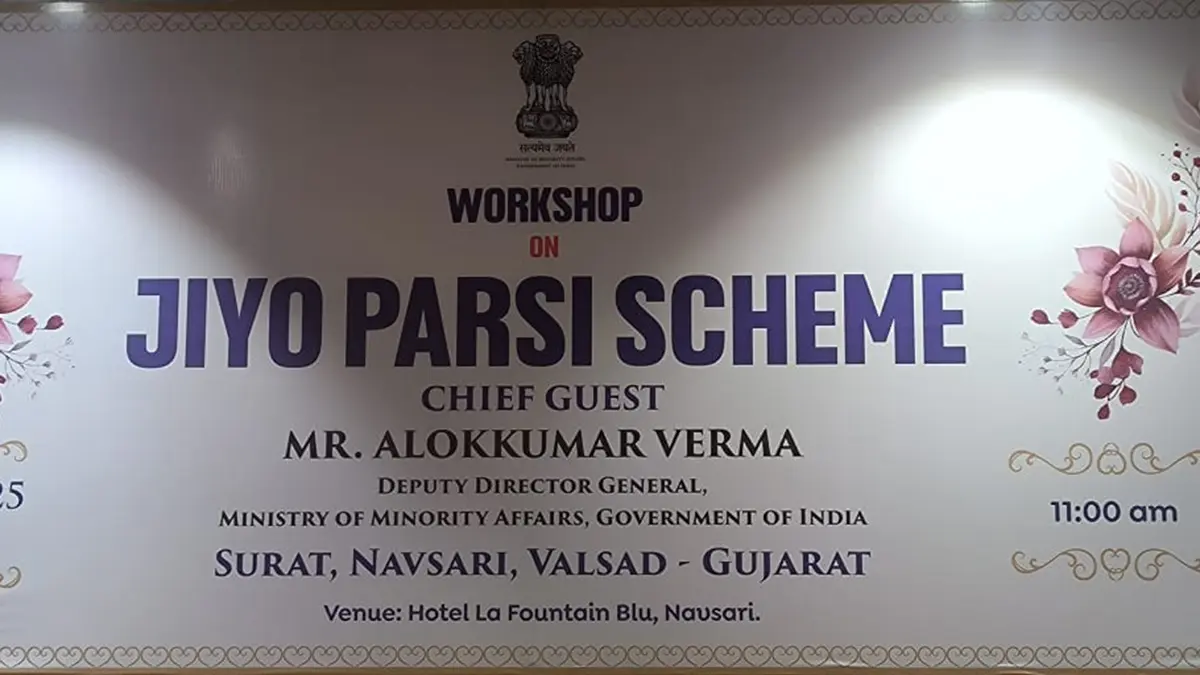
In early April 2026, the Ministry of Minority Affairs organised a Universal Parsi Registration Drive and awareness camp in Mumbai to promote the Jiyo Parsi scheme. The drive highlighted government efforts to stabilise and revive the declining Parsi population.
Background
According to the 2011 Census, India’s Parsi community numbered only 57,264, down from 1.14 lakh in 1941. Low birth rates and late marriages have caused a steady decline. To arrest this trend, the government launched the Jiyo Parsi scheme in 2013‑14 as a Central Sector Scheme implemented through Parsi organisations and state governments.
Components of the scheme
- Medical assistance: Financial support for fertility treatments, including in‑vitro fertilisation, artificial insemination and associated medical care. Pregnancy‑related expenses and consultations are also covered.
- Health of the community: Assistance for childcare and elderly care within Parsi households, ensuring that families have the support needed to raise children and care for aging relatives.
- Advocacy and counselling: Awareness campaigns encourage early marriage and parenting within the community, while counselling services address social and emotional barriers to family formation.
Progress and significance
- Positive impact: By 2025 the scheme had supported the birth of more than 230 Parsi babies, demonstrating that targeted interventions can reverse demographic decline.
- Eligibility: Benefits are delivered through Direct Benefit Transfer after biometric authentication. Couples with combined annual incomes below prescribed limits are prioritised to ensure equitable assistance.
- Cultural preservation: Parsis have contributed disproportionately to India’s industrial, educational and philanthropic spheres. Stabilising their population protects a unique cultural and linguistic heritage.
Conclusion
The Jiyo Parsi scheme shows how demographic challenges can be addressed through a combination of medical support, social awareness and community engagement. Continued monitoring and outreach are vital to ensure the community’s long‑term survival.
Source: Press Information Bureau · PIB (2019 Context)

