

Why in news?
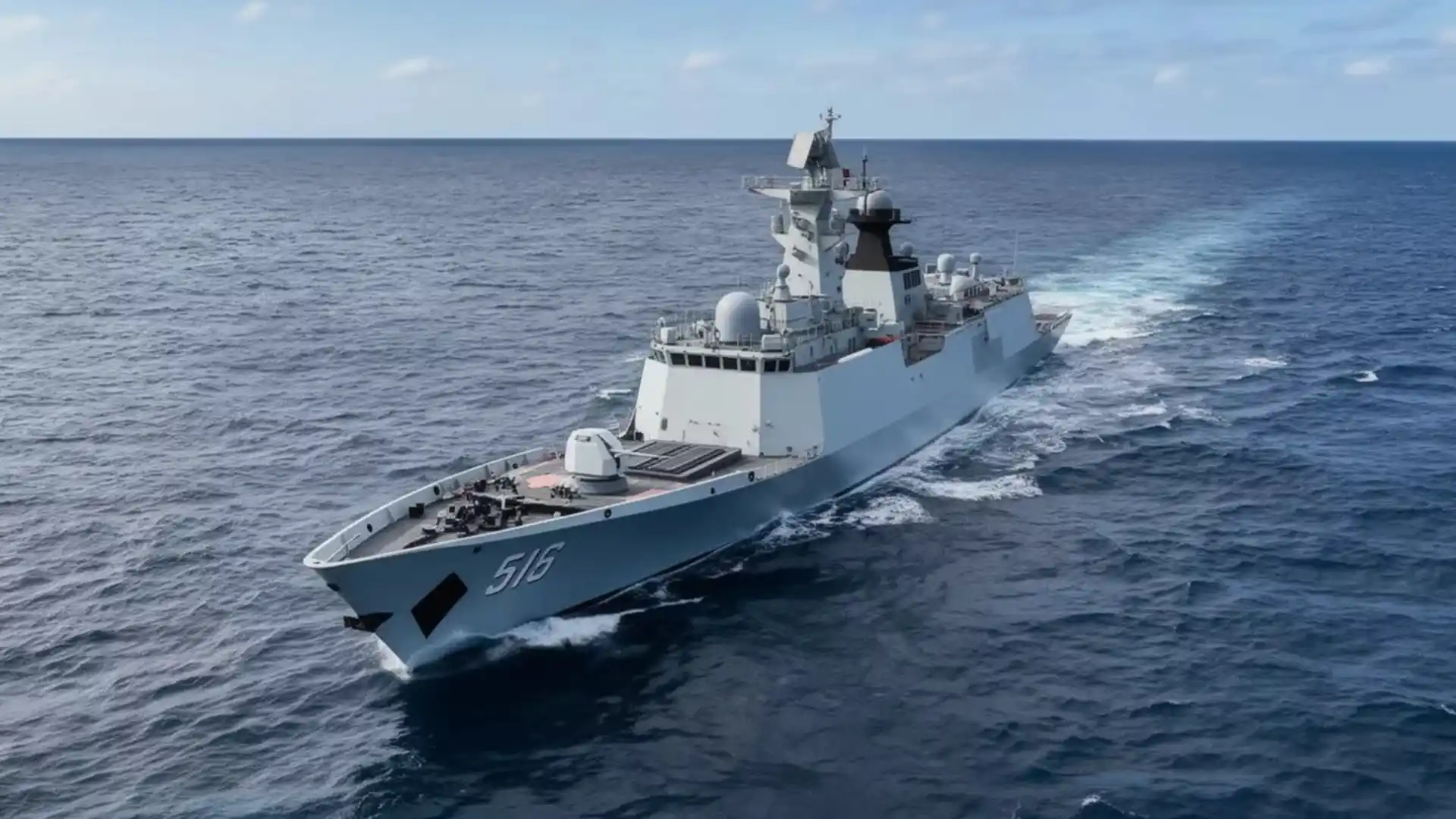
At the end of December 2025 China’s People’s Liberation Army (PLA) launched large‑scale live‑fire exercises around Taiwan, codenamed Justice Mission 2025. The drills, which involved naval, air and missile forces, were widely seen as a response to U.S. arms sales to Taiwan and statements supporting the island’s autonomy. They sparked international concern about rising tensions in the Taiwan Strait.
Background
The People’s Republic of China regards Taiwan as a breakaway province and has vowed to bring it under mainland control, by force if necessary. Taiwan, officially the Republic of China, has functioned as a self‑governing democracy since 1949. Cross‑strait relations have been strained in recent years by Taiwan’s growing international profile and closer ties with the United States. In December 2025 the U.S. approved an arms package worth about $11 billion for Taiwan, including HIMARS rocket launchers, howitzers, Javelin missiles and drones. Beijing condemned the sale and warned against foreign interference.
Drill details
- Scale and duration: The Justice Mission 2025 drills lasted around ten hours on 29–30 December 2025. PLA aircraft flew at least 130 sorties, with about 90 crossing the Taiwan Strait’s median line. The exercises tested long‑range rocket artillery, missile strikes, anti‑submarine warfare and amphibious assault techniques.
- Naval and coast guard deployment: Fourteen PLA Navy ships and fourteen Chinese coast guard vessels took part. They practiced encircling the island, blockading ports and seizing maritime chokepoints. The Type 075 amphibious assault ship Hubei was among the assets deployed.
- Blockade rehearsal: The drills simulated a multi‑domain blockade, integrating air, sea and coast guard units to isolate Taiwan from external support. Rockets were fired into waters north and south of the island to practise precision strikes on strategic targets.
Context and reactions
- US arms sale: Washington’s approval of a major arms package for Taiwan prompted Beijing to demonstrate its military capabilities. China warned that foreign powers should not “hollow out” its One‑China principle.
- International response: The United States and the European Union called for restraint and dialogue. Taiwan’s Ministry of National Defence condemned the drills as intimidation but emphasised that it was monitoring the situation and maintaining combat readiness.
- Escalation risks: Analysts note that these drills, along with earlier exercises like Strait Thunder‑2025A, form part of a pattern of increasingly frequent and complex PLA activities around Taiwan. They raise concerns about miscalculation and accidental escalation.
Significance
- Deterrence and signalling: The Justice Mission 2025 drills were intended to deter Taiwan’s independence movement and warn external actors against deepening defence ties with Taipei.
- Operational preparedness: By practising island encirclement and joint operations, the PLA enhances its readiness for a potential blockade or invasion scenario. Such exercises also test new technologies and command structures.
- Regional stability: Escalating military activities in the Taiwan Strait threaten to destabilise East Asia. They may prompt neighbouring countries to strengthen their own defences or seek security guarantees from allies.
Conclusion
The Justice Mission 2025 exercises underscore the fragility of peace in the Taiwan Strait. While intended as a show of strength, repeated drills could heighten the risk of confrontation. International stakeholders continue to urge all parties to resolve disputes through dialogue and to avoid actions that could lead to conflict.
Source: The Hindu Businessline