Why in news?
The Cabinet Committee on Economic Affairs has approved a major investment for the 1,200 MW Kalai‑II hydroelectric project on the Lohit river in Arunachal Pradesh. Valued at about ₹14,105 crore, the project will be implemented by THDC India Ltd in partnership with the state government. It is a run‑of‑river scheme with minimal storage and is expected to generate roughly 4,852.95 million units of electricity each year, bringing much‑needed power and infrastructure to a remote border district.
Background
The Kalai‑II project is located on the Lohit river, a major tributary of the Brahmaputra that rises in the Tibetan plateau and flows through the forested Mishmi Hills before entering India. Its reddish lateritic soil has earned it the name “river of blood.” The project will feature a concrete gravity dam and a series of tunnels and penstocks directing water to six turbines of 190 MW and one smaller unit of 60 MW. As a run‑of‑river with pondage scheme, it will harness the river’s natural flow without creating a large reservoir.
Key features
- Joint venture: The project is being developed by THDC India Ltd in partnership with the Government of Arunachal Pradesh. The centre will support the project by funding road and bridge construction and by providing equity assistance.
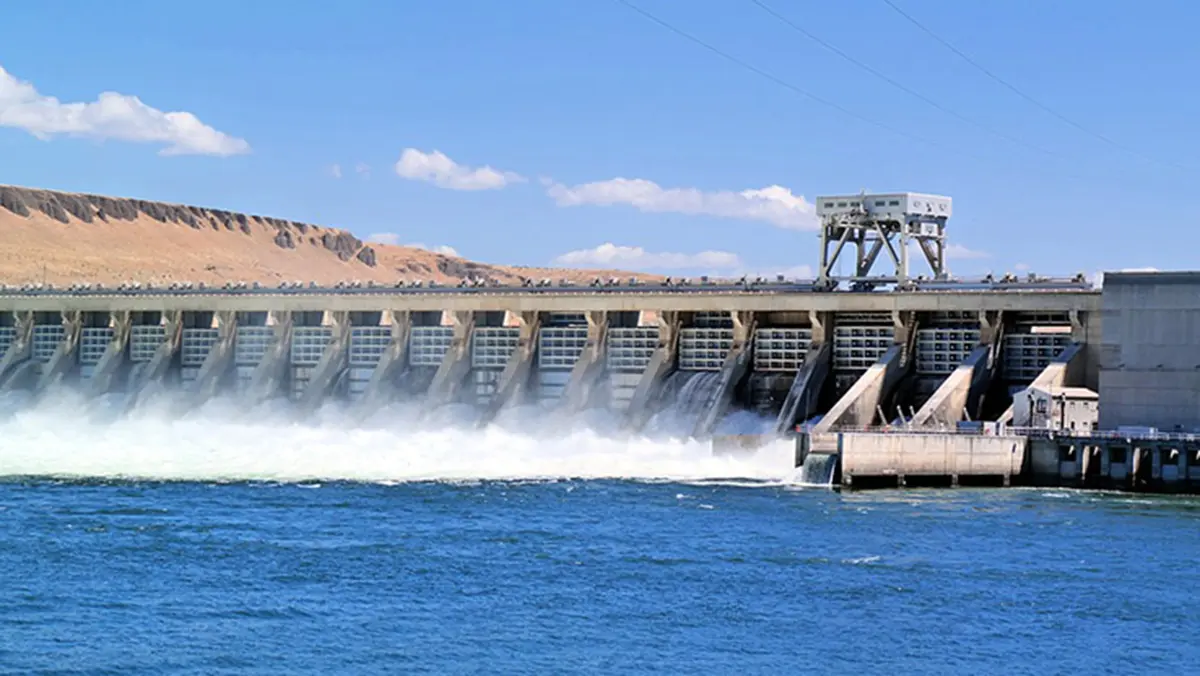
- Pondage and dam: A concrete gravity dam across the Lohit will create a small pond for daily flow regulation. The dam’s associated cofferdams and spillways will control floods and ensure safe operation.
- Power generation: Seven turbines will produce a combined capacity of 1,200 MW, generating around 4,853 million units annually. The state will receive 12 percent of the power free of cost, with another 1 percent earmarked for local area development.
- Socio‑economic benefits: Construction of roads, bridges and transmission lines will improve connectivity in Anjaw district. The project is expected to create jobs and stimulate economic activity in this remote border region.
Lohit River and run‑of‑river schemes
The Lohit originates in eastern Tibet, where glaciers and alpine streams merge to form a swift, sediment‑rich river. After flowing through the Mishmi Hills, it joins the Brahmaputra in Assam. Run‑of‑river hydro schemes like Kalai‑II divert part of a river through a tunnel or canal to spin turbines before returning the water downstream. Because they have little storage, they provide base‑load power with limited flexibility but avoid large‑scale inundation and displacement.
Significance
- Energy security: The project will add clean renewable capacity to the national grid and help meet the growing demand for electricity in the North‑East.
- Strategic importance: Building infrastructure in a border district strengthens India’s presence and supports the livelihoods of local communities.
- Environmental considerations: By using a run‑of‑river design, the project minimises the environmental footprint compared with large storage dams, though careful management will still be needed to protect local ecology.