
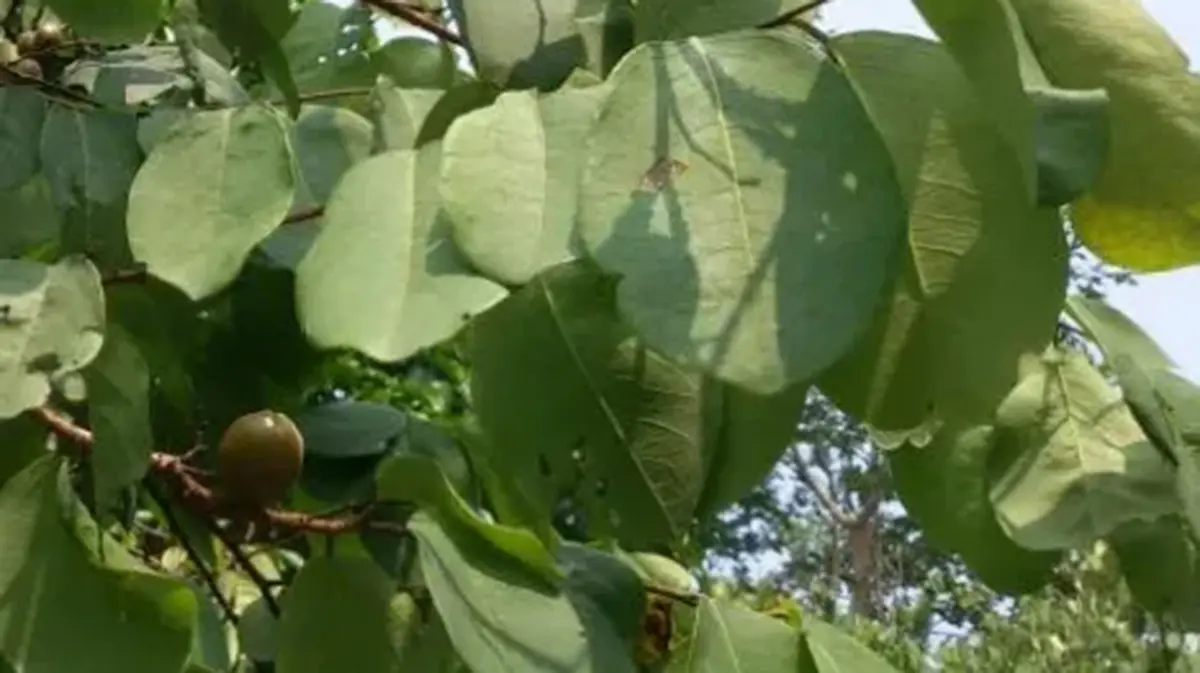
Why in news?
Tribal communities in Odisha’s Koraput and Kalahandi districts have been asserting their rights over kendu (tendu) leaves under the Forest Rights Act. Recent success stories show that gram sabhas have managed the collection and sale of these leaves, resulting in higher incomes for leaf pluckers and more transparent procurement. The issue gained attention as pluckers began the 2026 season demanding timely payments and recognition of their rights.
Background
The kendu leaf comes from the tree Diospyros melanoxylon and is widely used to roll bidis, a type of hand‑rolled cigarette popular in India. Because bidis outsell conventional cigarettes, the leaf is sometimes called the “green gold” of several states. Major producers include Madhya Pradesh, Chhattisgarh, Odisha, Maharashtra and Gujarat. Under Indian law, kendu leaves are classified as a “minor forest produce” and are nationalised in some states, meaning the government controls procurement and trade. The Forest Rights Act (2006) allows local communities to claim management rights over such produce through their gram sabhas.
Recent developments
- Community‑managed trade: In several villages of Kalahandi district, federations of gram sabhas have taken over the collection and sale of kendu leaves. They organise plucking, set procurement rates, issue identity cards to pluckers and ensure prompt payment. In 2023 and 2024 the federations generated over ₹15 crore in revenue and benefited thousands of households.
- Income for pluckers: A bundle of 50 leaves fetched about ₹7 in 2024. Of this, around ₹6 was paid to the plucker and the rest was used by the gram sabha for administrative costs and community development. Women, who form the majority of leaf pluckers, reported earning about ₹5,000 in one or two weeks of work.
- Demand for rights in Koraput: Tribal groups in Koraput have staged protests demanding that the forest department honour gram sabha rights. They allege delays in payment and insist that communities should receive their share of profits rather than middlemen and contractors.
Why kendu leaf matters
- Livelihoods: Kendu leaf collection provides seasonal employment for millions of people in central India, especially women from tribal and marginalised communities.
- Non‑wood forest product: Unlike timber, kendu leaves can be harvested sustainably each year by pruning branches. This makes it an important component of community‑based forest management.
- Need for transparency: Experiences from Kalahandi show that direct control by gram sabhas increases transparency and ensures that profits reach the primary collectors.
Source: DTE

