Why in news?
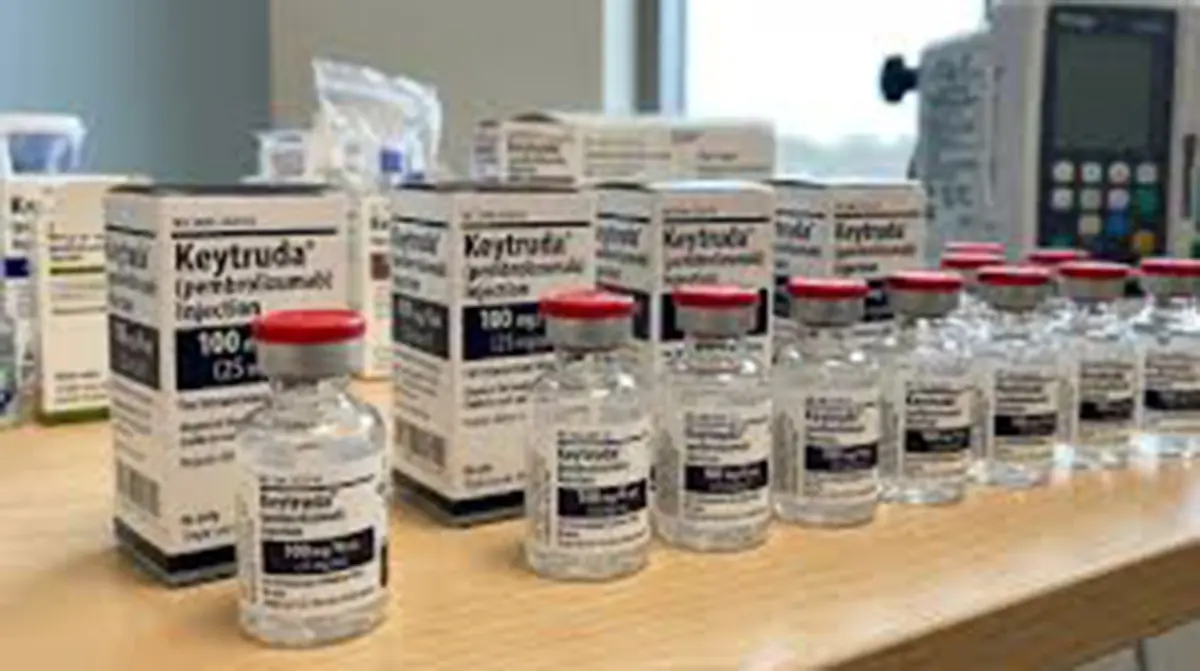
An investigative report has uncovered a widespread black market for counterfeit vials of Keytruda, an expensive cancer immunotherapy drug. Hospitals and patients in several countries, including India and Mexico, have unknowingly purchased fake vials filled with cheaper medications or saline. The high cost of genuine Keytruda has driven desperate patients to unregulated markets, endangering lives.
Background
Keytruda is the brand name for pembrolizumab, a monoclonal antibody developed by Merck. It belongs to a class of immune‑checkpoint inhibitors that block the PD‑1 receptor on T‑cells. Many cancer cells produce PD‑L1 and PD‑L2 proteins that bind to PD‑1 and switch off the immune response. By inhibiting PD‑1, Keytruda helps the immune system recognise and attack tumour cells.
Findings of the investigation
- Scope of the counterfeit market: Investigators from the International Consortium of Investigative Journalists (ICIJ) and partner media found that criminal networks collect empty Keytruda vials from hospitals, refill them with unrelated drugs or saline and reseal them. Fake labels and packaging are used to pass them off as genuine.
- High price and desperation: A single 100 mg vial of Keytruda costs more than ₹1.5 lakh in India. Patients who cannot afford the full cost often look for discounted suppliers. In one reported case, a family bought several vials at a reduced price, only to learn later that they contained a common antifungal drug.
- Health risks: At least one patient in Mexico died after receiving counterfeit Keytruda. The World Health Organization has recorded dozens of reports of falsified Keytruda since 2019.
- Calls for action: Experts urge governments and manufacturers to improve supply chain security, reduce drug prices and educate patients about the dangers of grey‑market medicines. Regulatory agencies are investigating clinics and pharmacies involved in the trade.
About Keytruda
- Keytruda has been approved to treat several cancers, including non‑small cell lung cancer, melanoma, head and neck cancers, cervical cancer and certain gastrointestinal malignancies.
- The drug is administered by intravenous infusion, often every three or six weeks. Treatment duration depends on the cancer type and response.
- Common side effects include fatigue, rash and diarrhoea. Because it stimulates the immune system, it can sometimes cause inflammation of organs such as the lungs, colon and thyroid.
Source: ICIJ · Indian Express · Drugs.com