

Why in news?
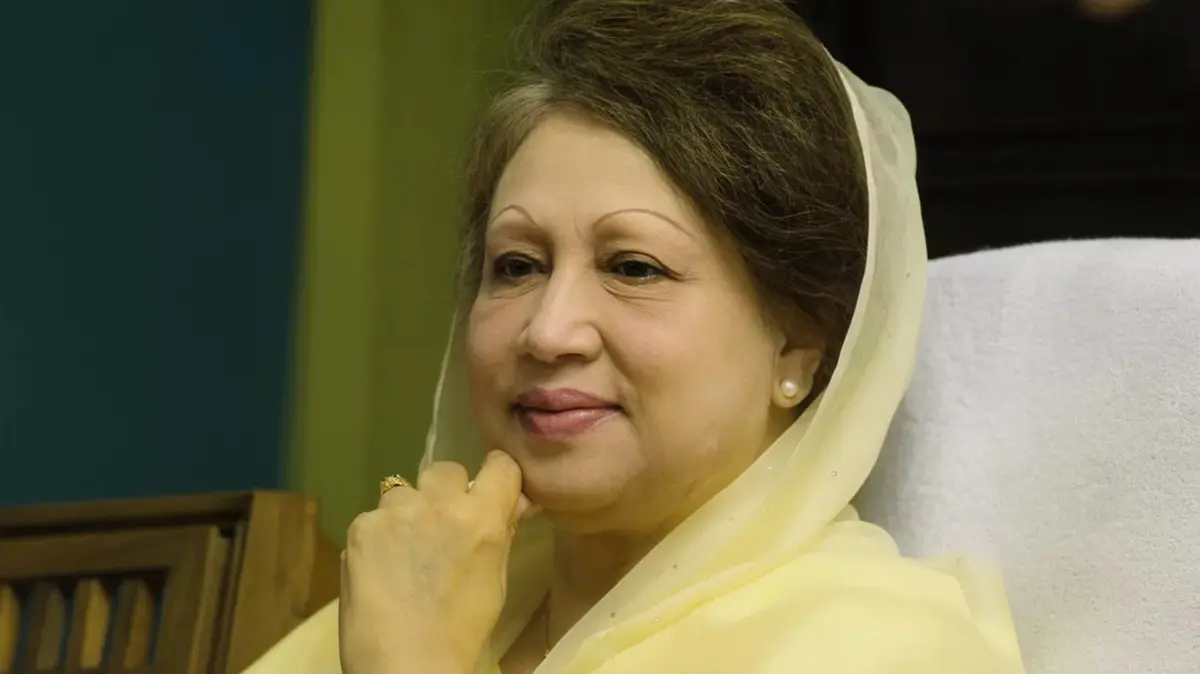
Khaleda Zia, Bangladesh’s first female prime minister and a central figure in its pro‑democracy movement, passed away on 30 December 2025 at the age of 80 after a prolonged illness. Her death marked the end of an era in Bangladeshi politics.
Background
Khaleda Zia emerged as a political leader in the 1980s after the assassination of her husband, President Ziaur Rahman. She led the Bangladesh Nationalist Party (BNP) and served two terms as prime minister — from 1991 to 1996 and 2001 to 2006. Alongside Sheikh Hasina of the Awami League, she spearheaded a popular movement that toppled General H.M. Ershad’s military regime in 1990 and restored parliamentary democracy.
Her political journey
- Pioneer of democracy: As head of the BNP, Khaleda Zia championed multiparty democracy and oversaw Bangladesh’s first peaceful transition of power in 1991.
- Policy priorities: During her tenure she focused on economic liberalisation, infrastructure development and strengthening ties with neighbouring countries. Her government initiated projects in roads, power and telecommunications.
- Long‑standing rivalry: Khaleda Zia’s rivalry with Sheikh Hasina shaped Bangladeshi politics for decades. Their alternating premierships often led to intense political confrontations, but together they symbolised women’s leadership in South Asia.
- Legal challenges: In later years she faced corruption charges and spent time in prison. She was released on humanitarian grounds in 2020 due to ill health but remained barred from contesting elections.
Legacy
- Trailblazer for women: As Bangladesh’s first woman prime minister, she paved the way for greater female participation in politics across South Asia.
- Architect of democratic transition: Her role in ending military rule and restoring democracy is seen as a turning point in Bangladesh’s modern history.
- Mixed record: While credited for infrastructure growth, her administrations also faced allegations of corruption and political violence. Her passing invites reflection on Bangladesh’s democratic journey.
Source: The Hindu