

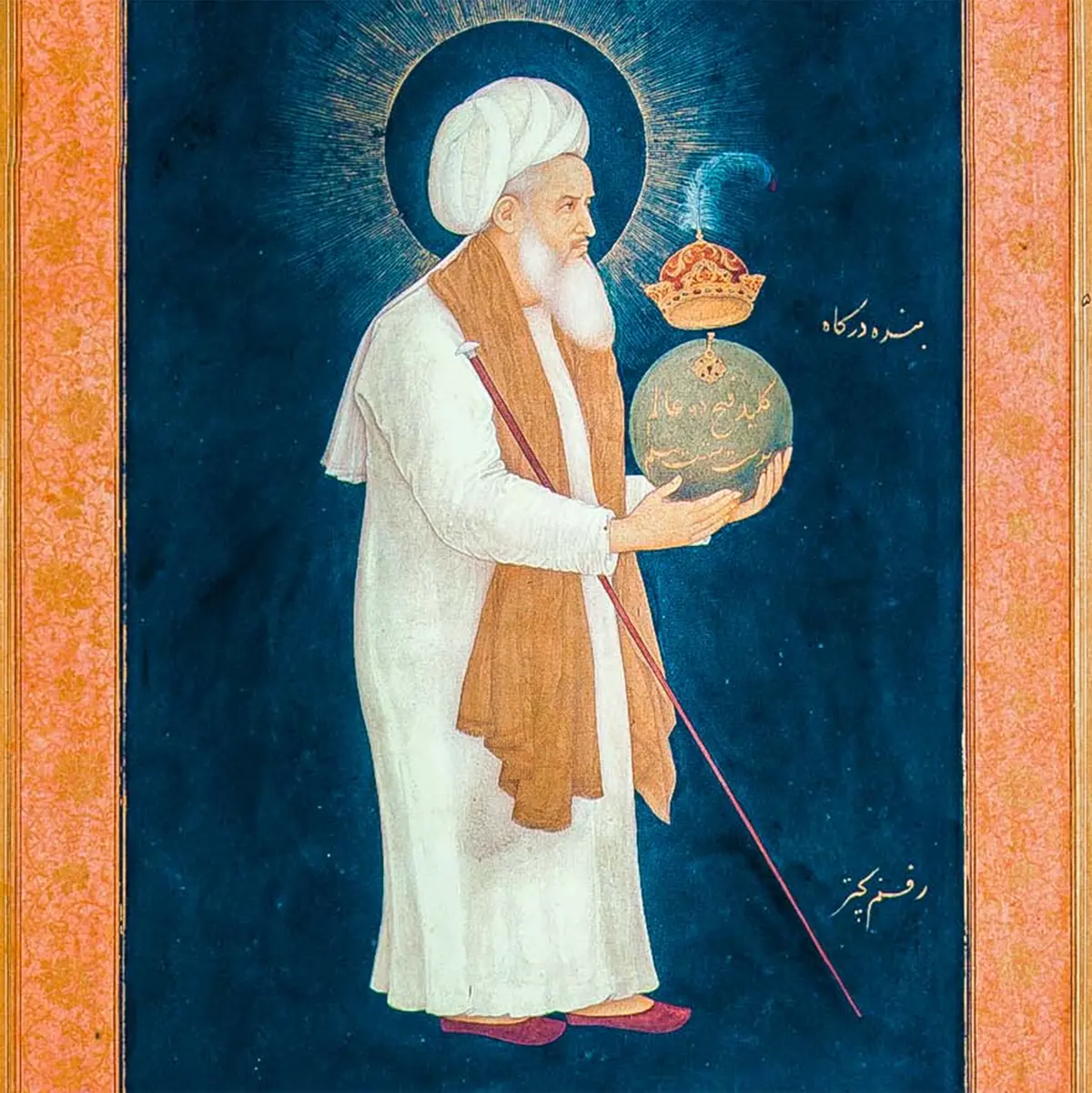
Why in news?
A petition was filed in the Supreme Court of India seeking to restrain the Prime Minister from sending a ceremonial velvet covering (chadar) to the shrine of Khwaja Moinuddin Chishti in Ajmer. The petitioners argued that such an offering by the head of government amounts to state patronage of religion and violates the secular nature of the Constitution. The court declined an urgent hearing but asked the petitioners to follow standard procedure.
Background on Khwaja Moinuddin Chishti
Khwaja Moinuddin Chishti (1141 – 1236), also called Gharib Nawaz (Benefactor of the Poor), was a Persian‑born Sufi saint who introduced the Chishti order of Sufism to the Indian subcontinent. Born in Sistan (present‑day Iran), he lost his parents at a young age and travelled to cities like Bukhara and Samarkand to study theology. He later became a disciple of the Sufi master Usman Harooni and accompanied him on pilgrimages to Mecca and Medina. Around 1191 CE he settled in Ajmer after the Second Battle of Tarain and devoted himself to serving the poor and preaching love and tolerance.
Teachings and legacy
- Service to humanity: Chishti believed that serving the needy is the highest form of devotion. His modest dwelling in Ajmer became a refuge for all, regardless of faith or caste. Because of his compassion he was called Gharib Nawaz.
- Sulh‑i‑kul (Peace with all): He promoted universal brotherhood and urged his followers to treat everyone with respect. His inclusive approach attracted people from different backgrounds, including rulers and commoners.
- Spiritual influence: His disciples included Qutbuddin Bakhtiyar Kaki and Baba Farid, who further spread the Chishti order across India. The Mughal emperors, especially Akbar, were devoted to the saint; Akbar built a mosque and a gateway near the shrine and popularised the tradition of royal offerings.
- Dargah and Urs: Moinuddin Chishti passed away in 1236, and his tomb in Ajmer was constructed in the 15th century and expanded over time. The annual Urs festival commemorates his death anniversary and draws devotees from across faiths. The shrine symbolises syncretic culture and attracts millions of pilgrims every year.
Controversy over chadar offering
The practice of sending a chadar to the Ajmer dargah by India’s Prime Minister began with Jawaharlal Nehru in 1947 and has been followed by successive prime ministers as a gesture of respect and harmony. The petitioners in the present case contend that state functionaries should not participate in religious rituals. Supporters argue that the offering is a cultural tradition rather than endorsement of a particular faith. The court is expected to examine constitutional questions around secularism and public office.
Source: The Economic Times