

Why in news?
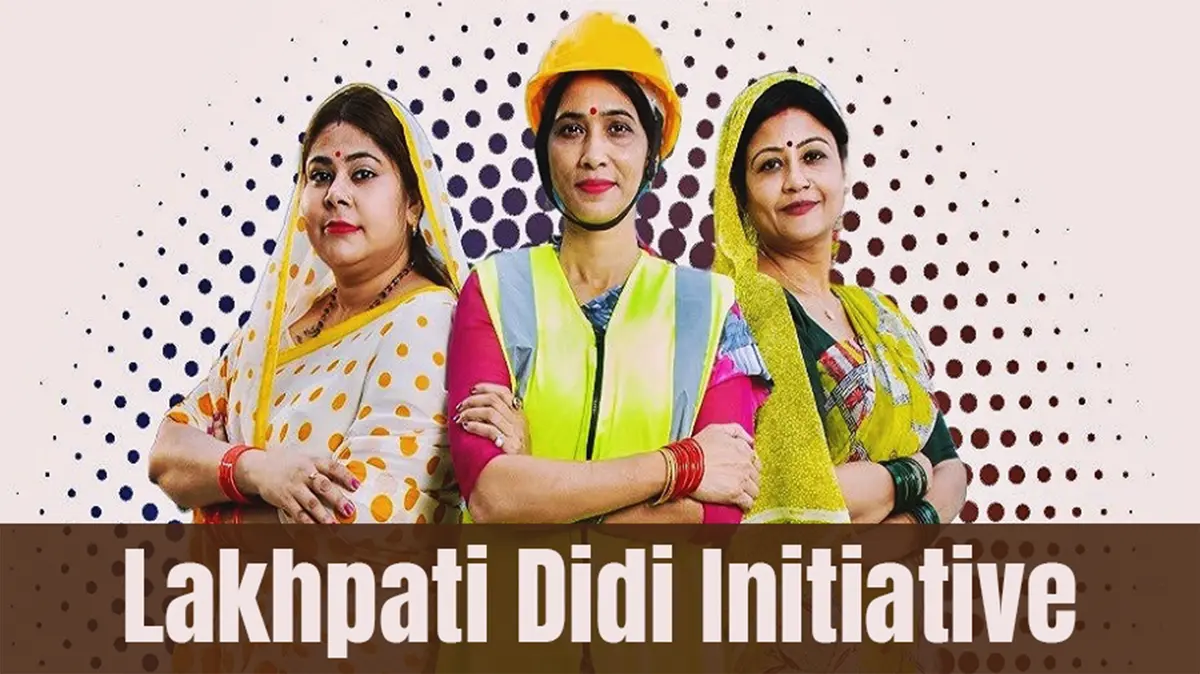
The Union Minister for Rural Development has directed officials to accelerate the target of creating 6 crore “Lakhpati Didis” under the Deendayal Antyodaya Yojana – National Rural Livelihoods Mission (DAY‑NRLM). A “Lakhpati Didi” is a woman who earns at least ₹1 lakh per year from diverse livelihood activities. The directive comes as part of a renewed push for women’s economic empowerment in rural India.
Background
DAY‑NRLM is a central government programme launched in 2011 to reduce rural poverty by organizing women into self‑help groups (SHGs) and linking them to banks and markets. The mission emphasises social inclusion, financial literacy and livelihood promotion. In 2023 the government introduced the Lakhpati Didi initiative to encourage women to increase their annual incomes. By February 2026 nearly 1.5 crore women have already crossed the ₹1 lakh income mark.
Who is a “Lakhpati Didi”?
- Individual achievement: The term applies to an individual woman, not the entire SHG. She must earn a net income of at least ₹1,00,000 over the most recent four consecutive quarters.
- Diversified livelihoods: Women are encouraged to engage in multiple income sources, such as agriculture, livestock rearing, tailoring, small shops, food processing and digital services.
- Skill development: Training programmes help women learn business planning, financial management and modern farming techniques.
Strategies to achieve the target
- Deepening livelihood options: Expansion of existing activities like poultry, dairy and horticulture while introducing new avenues such as bee‑keeping, mushroom cultivation and solar product sales.
- Access to finance: Providing easy credit through bank linkage schemes and revolving funds so that women can invest in assets and working capital.
- Market linkage: Connecting SHGs to government procurement, e‑commerce and cooperatives to ensure fair prices for their products.
- Mentoring and peer learning: Experienced entrepreneurs mentor other members, creating a support network within and across villages.
Why it matters
- Women’s empowerment: Earning a sustainable income enables rural women to invest in their families’ nutrition, education and health.
- Rural development: Increased incomes circulate money within local economies, boosting demand and creating jobs.
- Social change: Successful women entrepreneurs serve as role models and challenge traditional gender roles in their communities.
Source: Press Information Bureau