

Why in news?
Environmental researchers and conservationists have raised alarms about the rapid spread of Lantana camara, an ornamental shrub introduced from the Americas that has become one of India’s most invasive weeds. Recent reports suggest that dense thickets of Lantana now occupy about 74 million acres of land across India, outcompeting native plants and altering entire landscapes. The issue gained prominence as studies linked the invasion to increased forest fires, loss of biodiversity and rising human–wildlife conflict.
Background
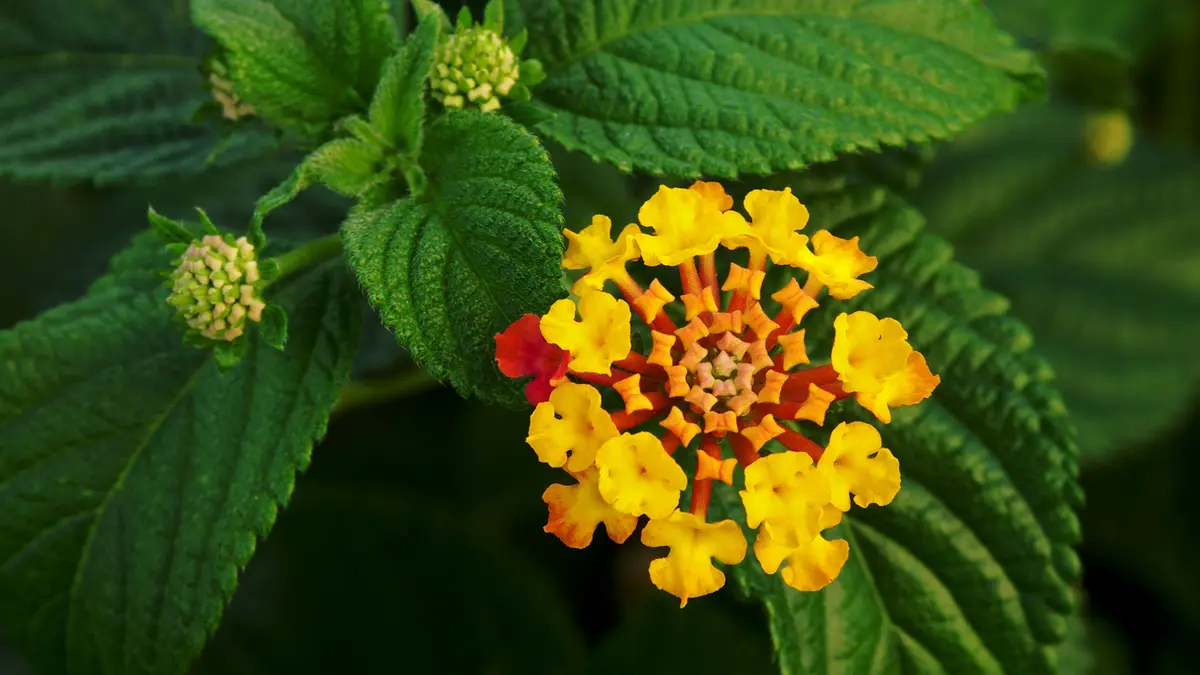
Lantana camara was brought to India in the early nineteenth century as a garden plant because of its attractive clusters of red, orange and pink flowers. However, the shrub has an aggressive growth habit: it produces abundant seeds that are spread by birds and animals, thrives in disturbed soils, and secretes chemicals that inhibit the growth of other plants. With no natural predators or diseases to control it, Lantana has invaded forests, grasslands and agricultural fields throughout the tropics.
Ecological and social impacts
- Loss of native flora: Dense Lantana thickets shade out herbs, grasses and young trees, reducing plant diversity and altering food sources for herbivores.
- Wildlife displacement: As native forage disappears, wild herbivores such as deer and elephants roam farther in search of food, often moving into farmland and causing crop damage. This increases the frequency of human–wildlife conflict.
- Fire risk: Lantana’s dry, woody stems are highly flammable. Large infestations act as fuel for wildfires, especially during dry seasons. Fires set by local communities to clear Lantana often spread uncontrollably and damage forests.
- Economic costs: Farmers and forest departments spend significant resources removing Lantana manually or chemically. In some regions the weed causes the loss of up to 15,000 square kilometres of forests annually.
Management challenges
- Labour‑intensive removal: Mechanical uprooting is effective but expensive and labour‑intensive. Lantana regrows from buried roots if not completely removed.
- Limited chemical control: Herbicides provide short‑term relief but can harm non‑target plants and contaminate soil and water.
- Need for integrated approaches: Experts recommend combining manual removal with planting native species that can compete with Lantana, along with community awareness programmes to reduce disturbances that favour the weed.
- Climate change factor: Rising temperatures and changing rainfall patterns help Lantana expand its range, making control efforts more urgent.
Conclusion
Lantana camara serves as a cautionary tale about the unintended consequences of introducing exotic plants without understanding their ecological impacts. Combating this invasive species will require coordinated efforts from forest departments, scientists, local communities and policymakers. Restoring native vegetation, reducing disturbances and promoting sustainable land use are vital to reclaiming invaded landscapes and protecting biodiversity.
Source: The Hindu