

Why in news?
Health authorities in the United States reported clusters of Legionnaires’ disease in late 2025. In central Florida, at least 14 people fell ill after visiting a fitness centre, prompting investigations into its water systems. Similar increases in cases were noted in parts of Ohio and Sydney, drawing attention to this severe form of pneumonia and highlighting the need for vigilance in water management.
Background
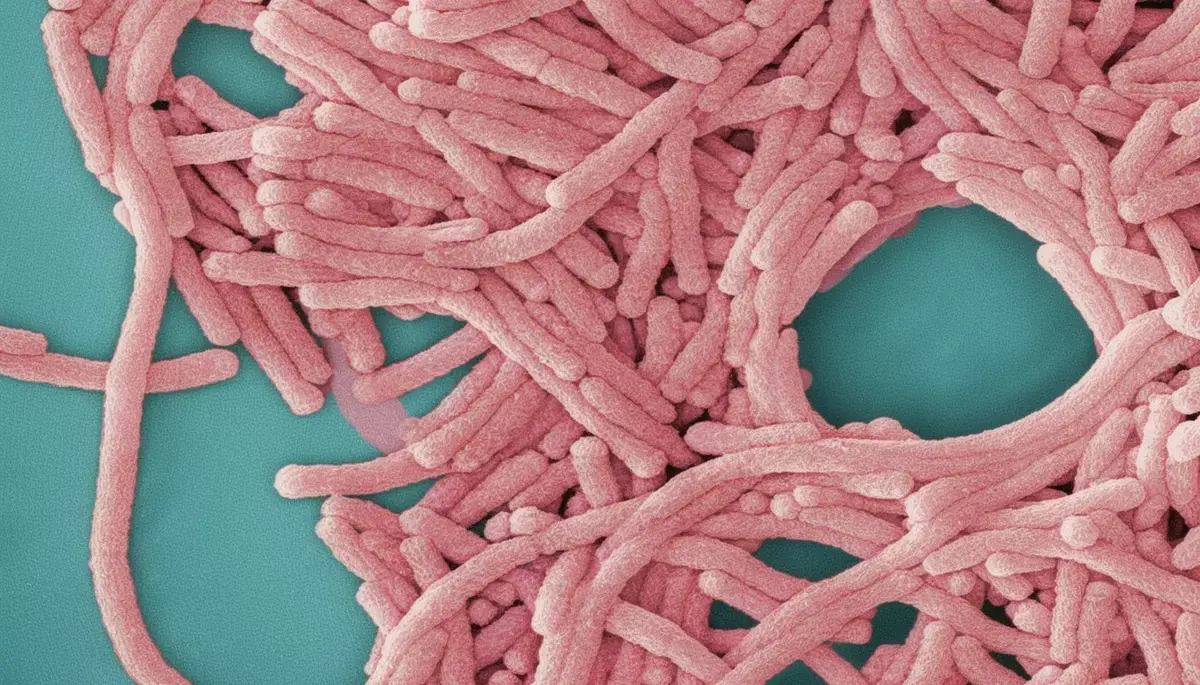
Legionnaires’ disease is a type of pneumonia caused by Legionella bacteria. The name comes from a 1976 outbreak at an American Legion convention in Philadelphia, where many attendees developed severe pneumonia. The bacteria thrive in warm water systems and are spread by inhaling contaminated droplets from showers, cooling towers, fountains or hot tubs. They do not usually spread from person to person.
Symptoms and risk factors
- Symptoms: After an incubation period of 2–14 days, patients may develop fever, cough, headaches, muscle aches, shortness of breath and sometimes confusion or diarrhoea.
- High‑risk groups: Older adults, smokers and people with weakened immune systems or chronic lung disease are more likely to develop severe illness. Most healthy individuals exposed to Legionella do not fall sick.
- Treatment: The disease is treatable with antibiotics such as macrolides or fluoroquinolones. Early diagnosis improves outcomes. There is currently no vaccine.
- Prevention: Controlling Legionella in water systems through disinfection and temperature management is key. Buildings must regularly maintain cooling towers, hot‑water tanks and plumbing systems to reduce bacterial growth.
Conclusion
Periodic spikes in Legionnaires’ disease remind us that modern infrastructure can harbour hidden pathogens. Proper maintenance of water systems and prompt public‑health responses are essential to prevent outbreaks. Individuals should seek medical care if they develop flu‑like symptoms after exposure to potentially contaminated water sources.
Source: ABC News