Why in news?
India announced plans to reopen the Lipulekh Pass for cross‑border trade with China in June 2026 after a six‑year hiatus caused by the pandemic and geopolitical tensions. Traders and pilgrims welcomed the decision, which promises to revive local economies and cultural exchange.
Background
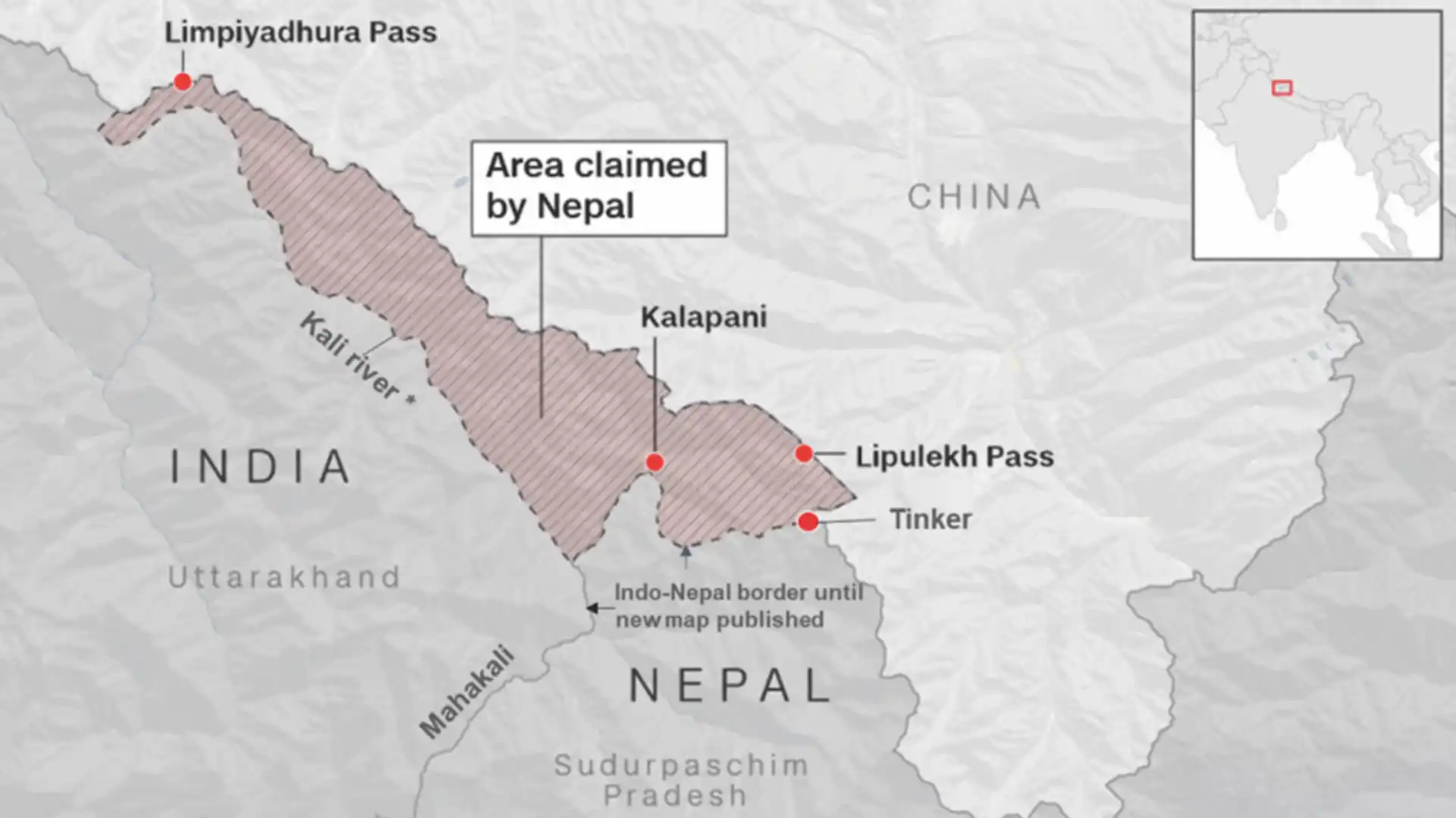
Lipulekh Pass is a high mountain pass (about 5,029 m) on the India–China border in Uttarakhand’s Kumaon region near the tri‑junction with Nepal. For centuries it served as a route for barter trade between India and Tibet and as a pilgrim path for Hindus undertaking the Kailash–Mansarovar Yatra. The pass was reopened for official trade in 1992 and remains open each year from June to September. Road improvements by India in 2020 led to protests from Nepal, which claims that a nearby area lies within its territory.
Recent developments
- Trade resumption: According to government plans, local traders will be allowed to cross the pass between June and September 2026. Improved roads and infrastructure are expected to facilitate transport of wool, salt, clothes and other goods.
- Pandemic closure: The route had been closed since 2020 due to COVID‑19 restrictions. The reopening will provide much‑needed income to border communities who rely on seasonal trade.
- Diplomatic context: The decision comes amid efforts by India and China to stabilise relations after border tensions. It also signals that Nepal’s concerns will be addressed through dialogue and delineation of the tri‑junction.
Significance
Reopening the Lipulekh Pass can boost livelihoods, tourism and people‑to‑people ties across the Himalayas. However, authorities must manage environmental impacts in the fragile alpine zone and ensure that infrastructure projects respect the rights of neighbouring countries.
Sources: NIE