
Why in news?
In March 2026 the Israeli air force launched strikes on bridges spanning Lebanon’s Litani River, including the Qasmiyeh Bridge near Tyre. Israel said the attacks aimed to restrict the movement of Hezbollah fighters during ongoing cross‑border hostilities. The destruction of key crossings cut off villages and heightened humanitarian concerns for communities dependent on these routes.
Background
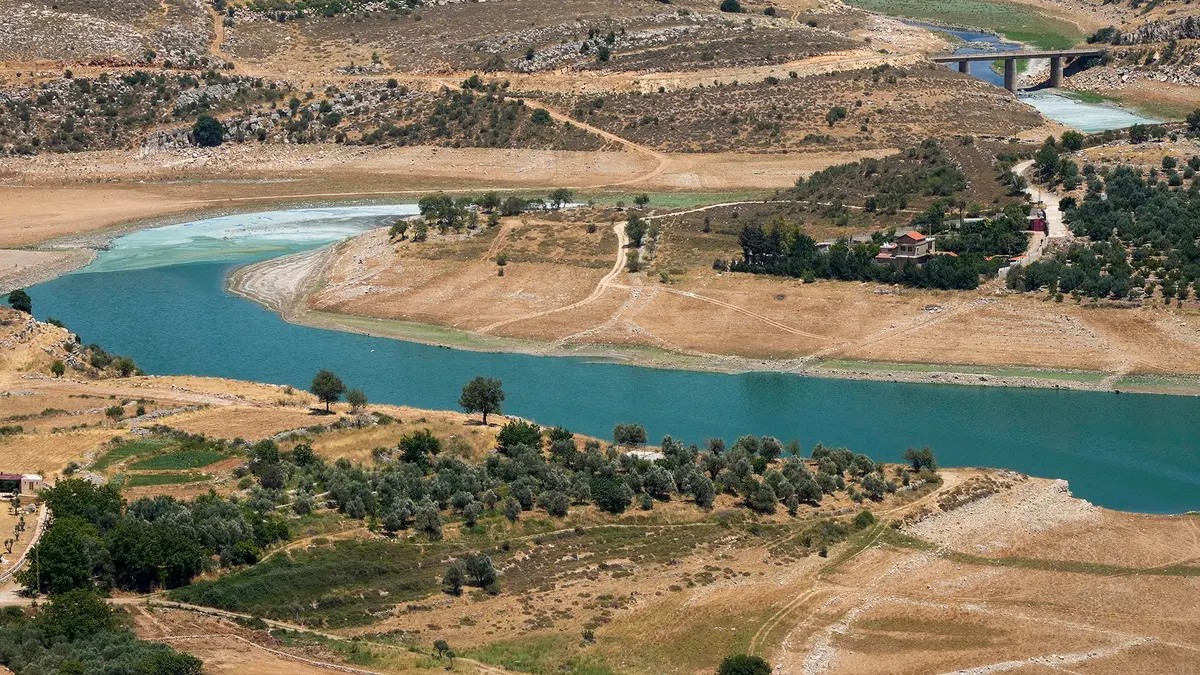
The Litani is Lebanon’s longest river wholly within the country. It rises from the Al‑Aliq springs near the ancient city of Baalbek in the Beqaa Valley and flows south for about 170 km before turning west to empty into the Mediterranean Sea north of Tyre. The river drains a basin of around 2,100 square kilometres. Dams and canals operated by the Litani River Authority supply irrigation water, drinking water to Beirut and hydroelectric power. In its middle reaches the Litani runs just a few kilometres north of the Israeli border, making it strategically significant in regional conflicts.
Key points
- Strategic significance: By targeting bridges over the Litani, Israel sought to prevent Hezbollah from moving men and arms closer to its northern frontier.
- Humanitarian impact: Destroying crossings disrupted daily life for residents of southern Lebanon, hampering access to medical services, markets and schools. Aid groups warned that prolonged infrastructure damage could trigger a humanitarian crisis.
- River’s economic role: Beyond conflict, the Litani is vital for Lebanon’s agriculture and energy. The Qaraoun Dam on its upper course forms Lebanon’s largest artificial lake and feeds hydroelectric plants and irrigation schemes.
- Environmental concerns: Pollution from untreated sewage and industrial effluents has degraded water quality. Environmentalists stress the need for better wastewater treatment along the river.
Conclusion
The destruction of bridges over the Litani River underlines how water and infrastructure can become targets in regional conflicts. Protecting civilian infrastructure and restoring damaged crossings will be essential to avoid compounding humanitarian suffering while safeguarding the river’s role as a lifeline for Lebanon.

