
Why in news?
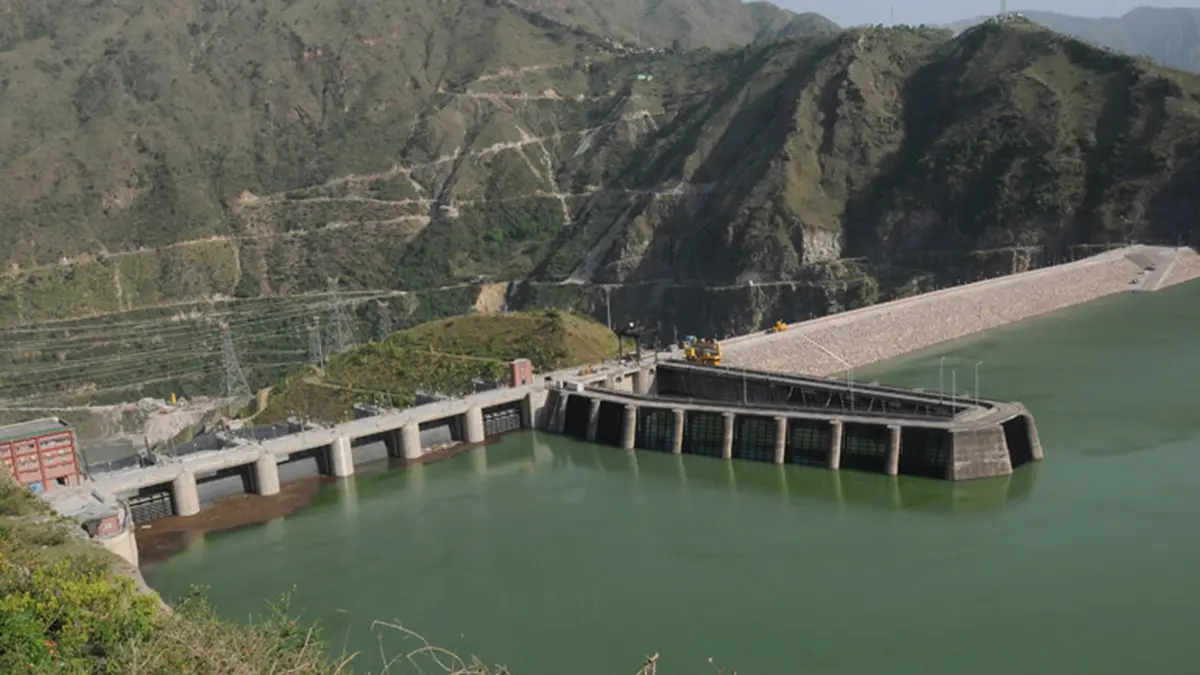
Patel Engineering Ltd. recently secured a major contract for the construction of the 679‑megawatt Lower Arun Hydropower Project in eastern Nepal. The project is significant because it harnesses the power of the Arun River without building a large storage dam, and it will expand Nepal’s clean‑energy exports to neighbouring countries.
Background
The Lower Arun project is located downstream of the Arun‑3 hydropower plant in Sankhuwasabha and Bhojpur districts. Instead of creating a reservoir, it will function as a tailrace development: water released from the upstream Arun‑3 power station will drop further through the Lower Arun turbines before returning to the river. The project will utilise four Francis‑type turbines and is expected to generate around 2.97 billion units of electricity annually. It will operate under a build–own–operate–transfer (BOOT) model for 25 years, after which it will be handed over to the Government of Nepal.
Why the project matters
- Efficient use of water: By using the tailrace water of the upstream Arun‑3 project, the Lower Arun plant produces additional power without constructing a large dam or displacing communities.
- Renewable energy expansion: Nepal has vast hydropower potential, and the Lower Arun project adds to the country’s efforts to become a regional energy hub. The electricity generated will contribute to Nepal’s domestic supply and could be exported to India and Bangladesh.
- Economic cooperation: The contract won by an Indian company underscores growing energy collaboration between India and Nepal. Such partnerships strengthen regional ties and promote investment in sustainable infrastructure.
Source: Devdiscourse

