

Why in news?
Researchers from the University of Auckland, New Zealand, have identified the role of insulin‑like growth factor (IGF) in promoting the growth of lymphatic vessels. Their discovery, made in zebrafish and human cell studies, offers hope for new treatments for lymphedema – a chronic condition that causes painful swelling in limbs due to impaired lymphatic drainage.
Background
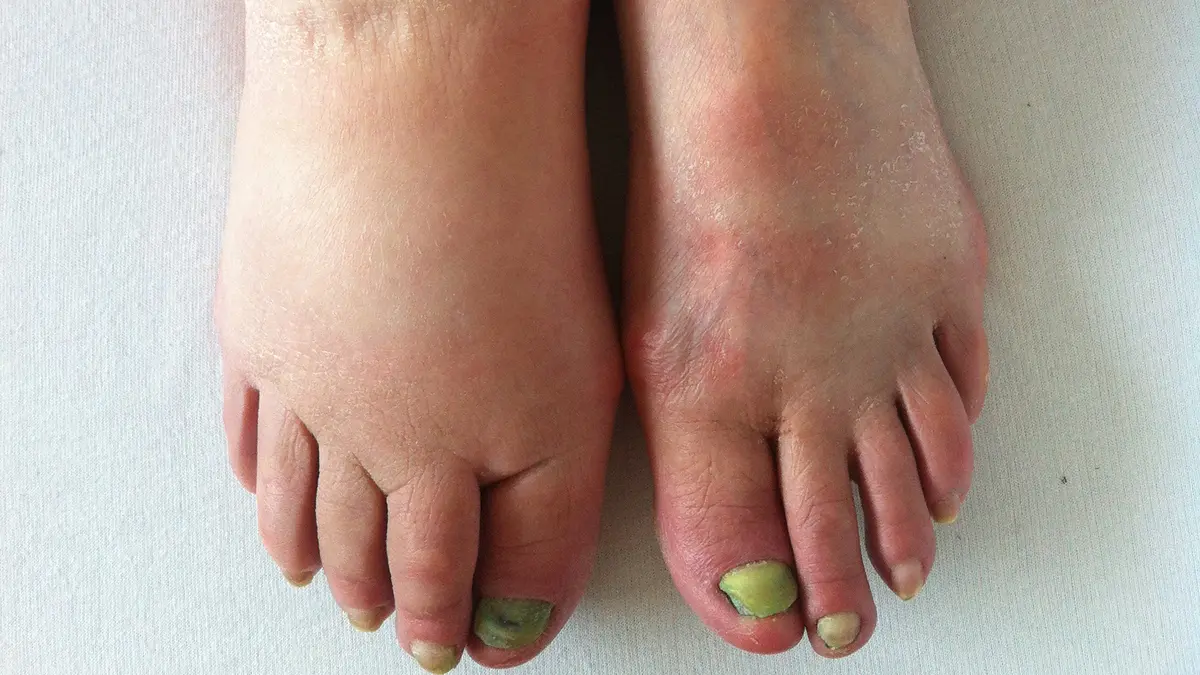
The lymphatic system is a network of vessels that drain excess fluid and waste products from tissues back into the bloodstream. When lymphatic vessels are damaged or malformed, fluid accumulates in the affected area, leading to swelling known as lymphedema. In many cases the condition develops after cancer surgery (particularly breast cancer), radiation therapy or infection. Existing treatments focus on managing symptoms through compression, massage and exercise, but there is no cure.
The new findings
- Role of IGF: Scientists observed that IGF – a hormone similar to insulin – can stimulate the growth of lymphatic vessels both in zebrafish embryos and in human lymphatic cells grown in the laboratory.
- Repair of damaged vessels: When IGF was applied to injured lymphatic tissue, it promoted the regeneration of vessel networks, suggesting a potential therapeutic pathway for repairing damaged vessels in patients.
- Future therapy: Researchers hope to develop drugs or therapies that deliver IGF to areas affected by lymphedema, helping to restore lymphatic function and reduce swelling.
Why it matters
- Improved quality of life: Lymphedema can cause discomfort, infection and limited mobility. A treatment that restores lymphatic function could dramatically improve the lives of patients.
- Potential global impact: Millions worldwide suffer from lymphedema, especially in regions with limited access to cancer care or where parasitic infections such as filariasis damage lymphatic vessels.
- Further research needed: While promising, the findings are preliminary. Human trials must establish the safety and efficacy of IGF‑based therapies before they become widely available.
Source: News‑Medical