Why in news?
Exports of makhana from India have been disrupted by geopolitical tensions in West Asia. Traders report that the closure of shipping routes and reduced demand have caused significant losses for farmers and exporters in Bihar, where the crop is predominantly cultivated.
Background
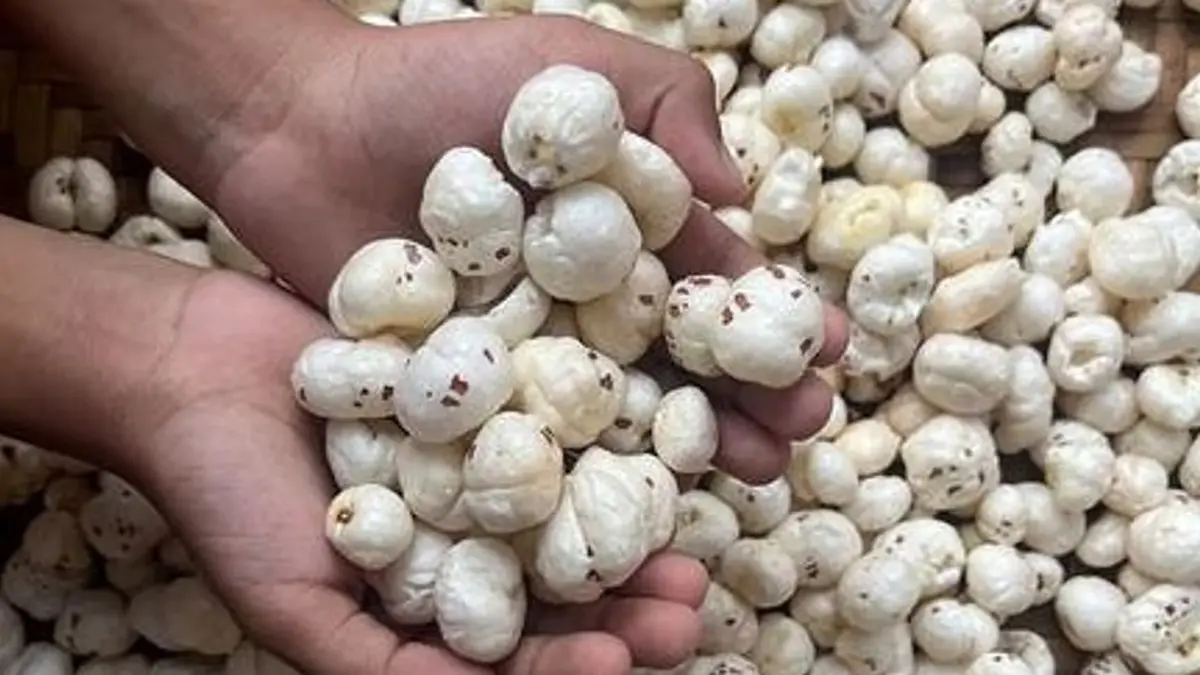
Makhana comes from Euryale ferox, a prickly water lily native to Asia. The plant grows in stagnant ponds and wetlands, producing large, round leaves with spiny undersides. Its seeds are harvested from floating pods and then roasted and popped to create crunchy white kernels known as fox nuts or lotus seeds. These nuts have been part of Indian cuisine for centuries—used in snacks, curries and sweet dishes such as kheer—and hold religious significance during fasting. Bihar’s Mithila region is the largest producer and enjoys a Geographical Indication (GI) tag for makhana.
Characteristics and benefits
- Aquatic cultivation: Makhana thrives in shallow ponds and floodplain wetlands. Seeds are sown in early spring and harvested by late summer. Cultivation provides livelihoods for small farmers and fishing communities.
- Nutrient profile: Fox nuts are rich in carbohydrates and contain moderate amounts of protein and fibre. They provide minerals such as calcium, magnesium and iron and contain plant antioxidants like gallic and ellagic acids.
- Health benefits: Because they are low in fat and high in fibre, makhana can help with weight management. Their slow‑digesting carbohydrates may aid blood sugar control. Traditional medicine attributes anti‑inflammatory and anti‑ageing properties to the seeds.
- Economic importance: The GI status of Bihar makhana helps farmers fetch better prices in domestic and international markets. Demand from the Middle East and Southeast Asia has turned makhana into an export‑oriented crop.
Significance
- Impact on livelihoods: Disruption of exports due to conflict affects thousands of farmers and traders, highlighting the vulnerability of agricultural supply chains to geopolitical events.
- Superfood potential: Increasing awareness of makhana’s nutritional value has created opportunities for value‑added products such as roasted snacks, breakfast cereals and health bars.
- Preservation of wetlands: Sustainable cultivation of makhana supports wetland conservation by maintaining traditional pond ecosystems.
Conclusion
Makhana’s journey from pond to plate illustrates the integration of agriculture, nutrition and heritage. Protecting supply lines and encouraging domestic consumption can help farmers withstand external shocks while consumers enjoy a healthy, locally grown snack.
Sources: NIE