Why in news?
A measles outbreak in Bangladesh has claimed more than 100 lives, mostly children, and prompted a large‑scale immunisation campaign. The crisis draws attention to the resurgence of measles across the region, including India, where delayed vaccination and gaps in coverage have led to thousands of cases in recent months.
Background
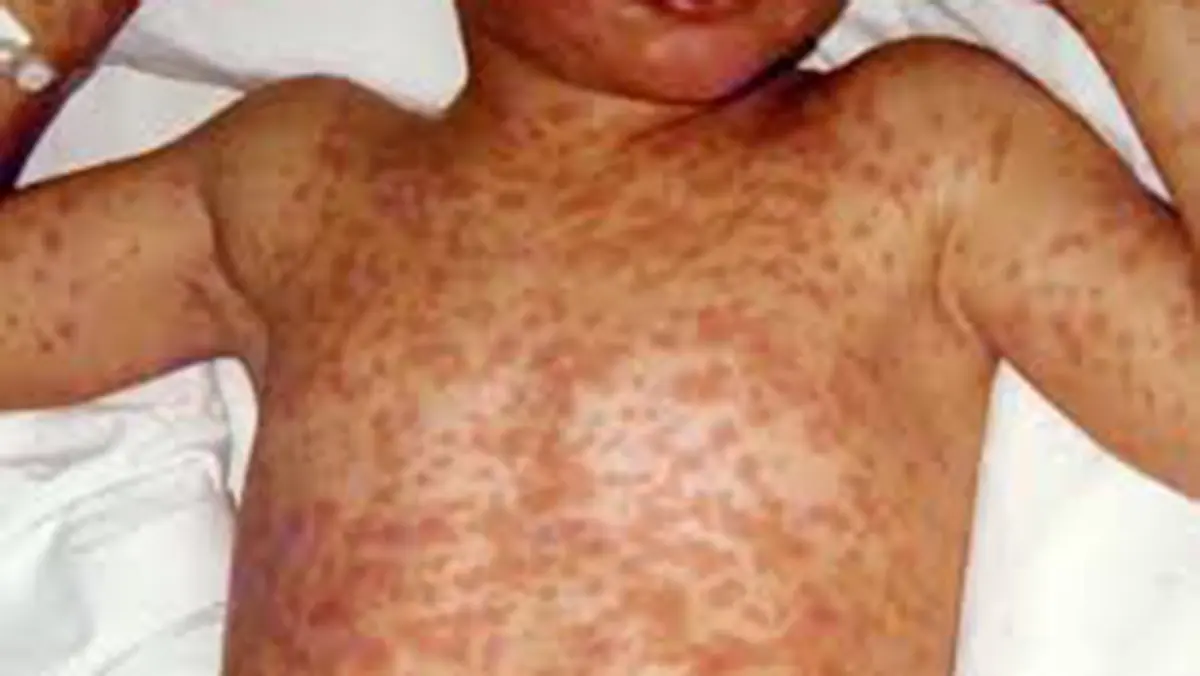
Measles is a highly contagious viral disease caused by the Morbillivirus. It spreads through respiratory droplets and can remain active in the air for up to two hours. Symptoms begin with fever, cough, runny nose and red eyes, followed by a characteristic red rash that spreads from the face downwards. Complications include pneumonia, diarrhoea, ear infections, encephalitis (brain inflammation) and, in rare cases, a fatal neurological disorder called subacute sclerosing panencephalitis. There is no specific antiviral treatment; care is supportive and vitamin A supplementation is given to children.
Details of the outbreak
- Bangladesh: Over 100 deaths have been reported in a measles surge attributed to low vaccine coverage and malnutrition. Authorities have launched emergency vaccination drives and appealed for international assistance. UNICEF warned that unvaccinated children are at high risk.
- India: From August 2025 to January 2026 India recorded more than 12,000 measles cases, the highest worldwide during that period. Research indicates that many children receive the first dose late and the second dose is often missed due to socio‑economic barriers.
- Global trend: Worldwide measles immunisation rates dropped during the COVID‑19 pandemic. In 2024 only 84 percent of children received the first measles vaccine dose and 76 percent received the second, below the 95 percent threshold needed for herd immunity.
Preventing measles
- Vaccination: Two doses of the measles‑mumps‑rubella (MMR) vaccine provide long‑term protection. The first dose is typically given at 9 months and the second between 15 and 18 months. Catch‑up campaigns may be needed for older children and adults who missed their shots.
- Timeliness: Delayed vaccination leaves infants and young children vulnerable. Health workers and parents need to ensure that doses are given on schedule.
- Public health measures: Surveillance systems must promptly detect outbreaks. Strengthening immunisation services, addressing misinformation and improving nutrition can reduce measles deaths.
Significance
- Protecting children: Measles predominantly affects children under five, and complications can be severe. High immunisation coverage prevents avoidable deaths.
- Global health security: Outbreaks in one country can quickly spread across borders. Coordinated vaccination efforts are essential to achieve elimination targets.
Conclusion
The resurgence of measles in South Asia underscores the dangers of dropping vaccination rates. Governments and communities must prioritise timely immunisation, strengthen health systems and combat misinformation to ensure that children are protected from this preventable disease.
Sources: The Week, Cleveland Clinic