

Why in news?
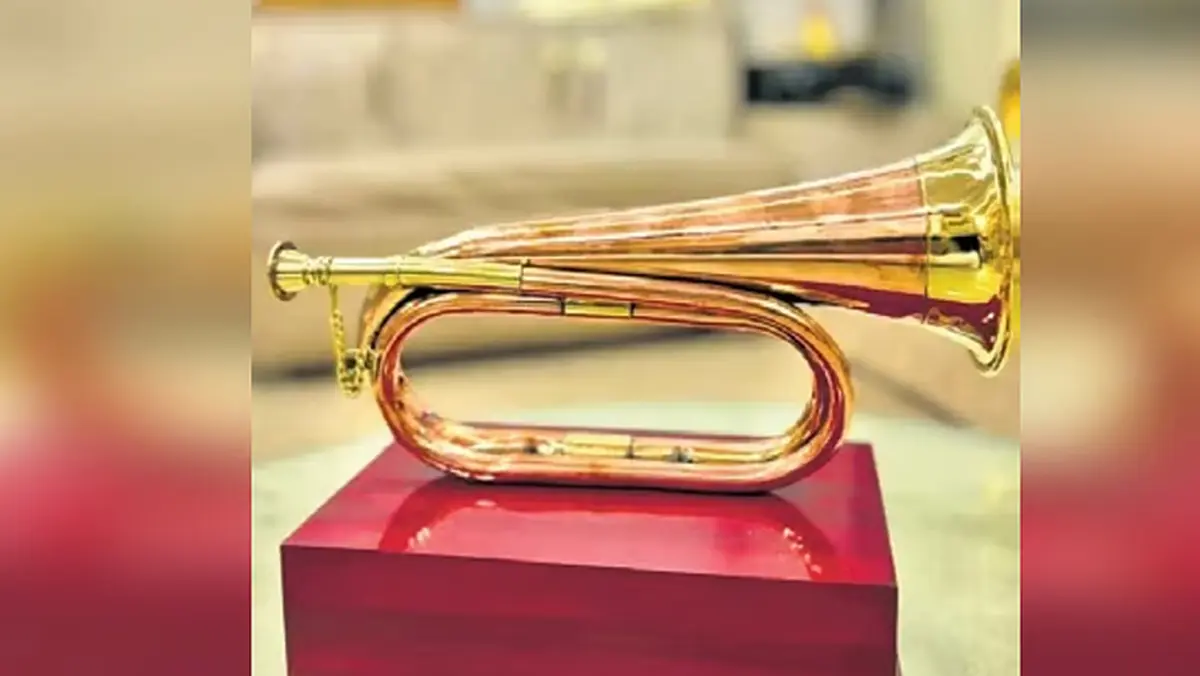
The humble bugle made in Meerut, Uttar Pradesh, has been granted a Geographical Indication (GI) tag. The recognition acknowledges the region’s long‑standing craftsmanship and aims to protect artisans from cheap imitations.
Background
The bugle is a simple brass wind instrument traditionally used by armies to issue commands in the field and to mark daily routines in barracks. Its clear tone carries over long distances, making it indispensable for drills, parades and ceremonies. Meerut’s association with bugle‑making dates back to the late nineteenth century, when instrument makers such as Nadir Ali & Company set up workshops in the city’s Jali Kothi area. Over time Meerut became India’s main centre for bugle production, supplying the armed forces and paramilitary units nationwide.
Manufacturing process
- Manual craftsmanship: Bugles are handmade from brass sheets. Artisans cut the sheet, heat it and hammer it over a specialised die to form the conical body. The joints are soldered, and the instrument is hand‑polished to achieve a smooth finish.
- Types of bugles: The most sought‑after is the copper bugle used widely across India. Gold‑finish bugles, which replicate the look of plated brass, are produced for ceremonial purposes. Silver‑finish bugles are made on request for regimental bands.
- Signalling role: On the battlefield, the bugle’s distinct calls—such as reveille, assembly and retreat—convey instructions without the need for spoken orders. Today the instrument is still played during honour guard ceremonies and funerals.
Significance of the GI tag
- The GI tag legally associates the name “Meerut Bugle” with products made in the district using traditional methods. This prevents misuse of the name by factories elsewhere and guards consumers against inferior copies.
- Artisans and manufacturers gain brand recognition and may fetch better prices in domestic and international markets. The tag can help revive an industry that has been struggling due to rising brass prices and competition from imported instruments.
- By protecting traditional knowledge, the GI tag encourages the younger generation to continue the craft and preserves part of India’s military heritage.
Source: New Indian Express,