
Why in news?
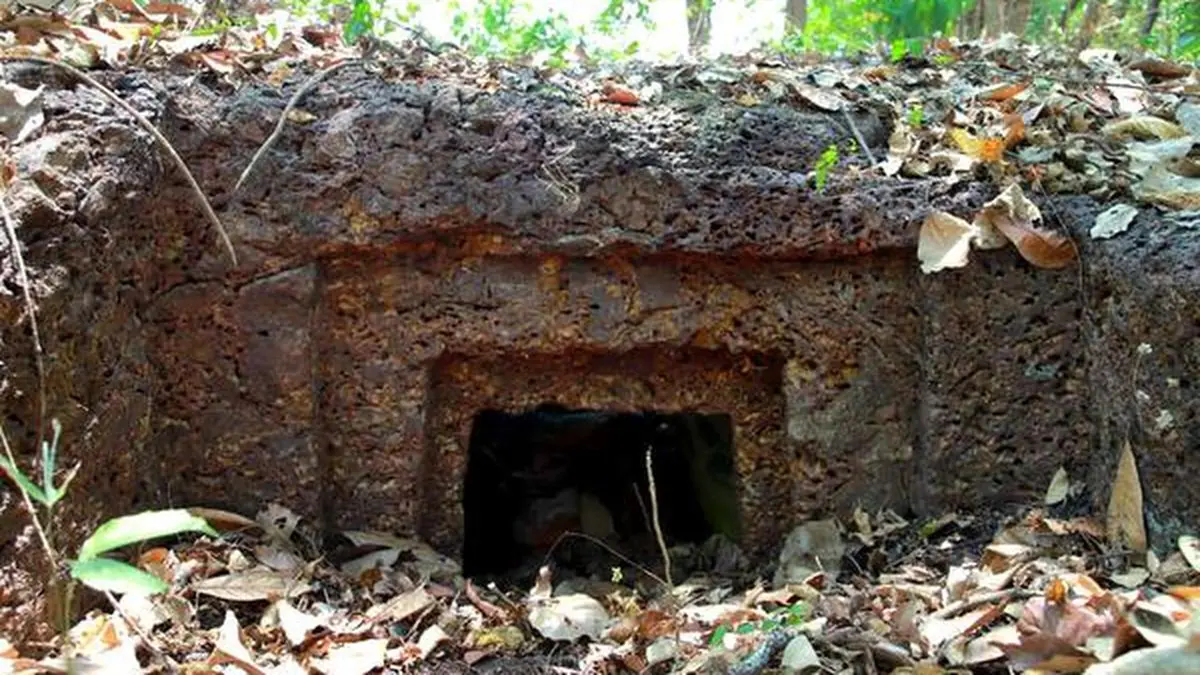
During construction work at Panayal in the Kasaragod district of Kerala, workers stumbled upon a large underground chamber carved into laterite rock. Archaeologists believe the structure, discovered in early March 2026, is a 2,000‑year‑old megalithic rock‑cut chamber used for burial purposes.
Background
Megalithic cultures of the Iron Age (roughly 1000 BCE – 500 CE) left behind various types of monuments across peninsular India. In Kerala, they often carved burial chambers into laterite hillsides. These subterranean chambers sometimes consist of circular or rectangular rooms accessed through vertical shafts. The recent find at Panayal follows similar discoveries at sites such as Tripangath and Muniyara, indicating that communities in the region practiced elaborate funerary rites.
Main features of the discovery
- Structure: The chamber is hewn out of laterite rock with a circular inner room about two metres in diameter. A vertical entrance shaft leads down from the surface, and remnants of a stone lid or capstone were found nearby.
- Associated artefacts: Although intact grave goods have yet to be fully excavated, typical megalithic burials in Kerala contain pottery, iron implements, beads and sometimes skeletal remains. These objects help archaeologists understand the social status and rituals of the people who built the tombs.
- Local names: Rock‑cut burial chambers are known locally as muniyara (hermit’s abode) or Pandava caves. Folklore often links them to mythical figures, reflecting how these ancient structures are woven into cultural memory.
Importance of the find
- Insights into Iron Age societies: Studying the architecture and contents of rock‑cut tombs sheds light on the beliefs, hierarchy and craftsmanship of megalithic communities in the Deccan and Malabar regions.
- Conservation challenge: Many megalithic sites in Kerala are threatened by quarrying, construction and neglect. Discoveries like the Panayal chamber underscore the need to survey and protect heritage before it is destroyed.
- Public awareness: Highlighting archaeological finds encourages communities to value their heritage and support preservation efforts. Local schools and tourism initiatives can incorporate such sites into educational programmes.
Conclusion
The unearthing of a megalithic rock‑cut chamber at Panayal adds to the growing record of Iron Age monuments in Kerala. Continued excavation and careful conservation will help unravel the region’s ancient past and allow future generations to appreciate these silent witnesses of history.

