

Why in news?
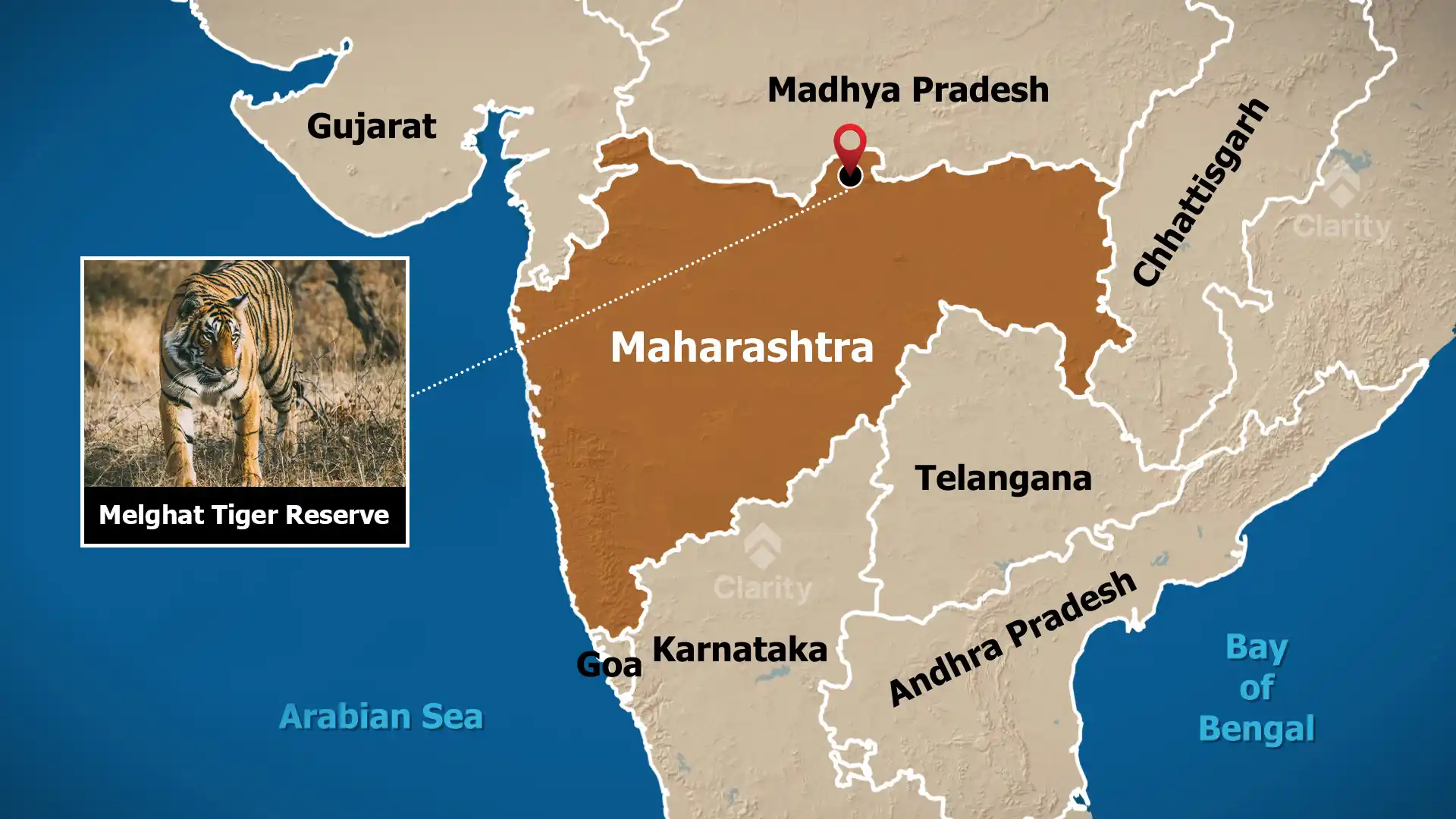
On 6 January 2026 the Bombay Natural History Society (BNHS) released fifteen critically endangered Indian vultures into the wild at Maharashtra’s Melghat Tiger Reserve. The birds were raised at the Vulture Conservation Breeding Centre in Pinjore, Haryana. After spending months in a pre‑release aviary to acclimatise, they were released using a soft‑release technique and fitted with GSM and satellite tags to monitor their movements. Conservationists hope the release will kick‑start the return of vultures to central India.
Background
Indian vultures once numbered in the tens of millions and played a vital role in disposing of animal carcasses. In the 1990s their populations collapsed by more than 99 percent due to widespread use of the veterinary drug diclofenac, which causes kidney failure in vultures feeding on treated livestock carcasses. The resulting scarcity of natural scavengers led to an increase in feral dogs and associated diseases such as rabies. India banned veterinary use of diclofenac in 2006, and breeding centres now rear vultures for reintroduction into the wild.
About Melghat Tiger Reserve
Established in 1974 as one of the first nine reserves under India’s Project Tiger, Melghat Tiger Reserve covers about 2,768 km² of rugged hills and ravines in the Satpura Range of northern Maharashtra. The Tapti River forms its northern boundary and its forests are dominated by teak, bamboo and other dry deciduous species. Besides tigers and leopards, the reserve harbours gaur, sloth bears, sambar deer, nilgai and more than 250 species of birds. Conservation efforts in recent decades include habitat restoration, community outreach and anti‑poaching patrols.
Key details of the vulture release
- Soft release method: Birds were moved from Pinjore to a pre‑release aviary within the reserve to help them adjust to local conditions before the aviary doors were opened for voluntary flight.
- Monitoring: Each vulture was fitted with GSM and satellite trackers to gather data on flight paths, roosting sites and survival. This information will guide future releases.
- Feeding stations: To overcome the scarcity of safe food, the BNHS and forest department plan to operate vulture restaurants – fenced carcass dumps that supply diclofenac‑free livestock remains.
- Conservation significance: Reintroducing vultures will restore a keystone scavenger to the ecosystem, help contain feral dog populations and support public health.
Significance
- Ecological health: Vultures efficiently dispose of carrion, preventing the spread of disease and keeping landscapes clean.
- Symbolic milestone: The release demonstrates the success of captive‑breeding programmes and continued need for vigilance against toxic veterinary drugs.
- Community involvement: Local communities and non‑government organisations are involved in feeding programmes and raising awareness about vulture conservation.
Sources: The Times Of India