

Why in news?
Health journals and government advisories are highlighting the growing burden of Metabolic Dysfunction‑Associated Steatotic Liver Disease (MASLD), a condition formerly known as non‑alcoholic fatty liver disease (NAFLD). The new terminology, adopted by international liver societies in 2023–24, reflects the condition’s close link to obesity and other metabolic disorders, and aims to remove the misleading term “non‑alcoholic.”
Background
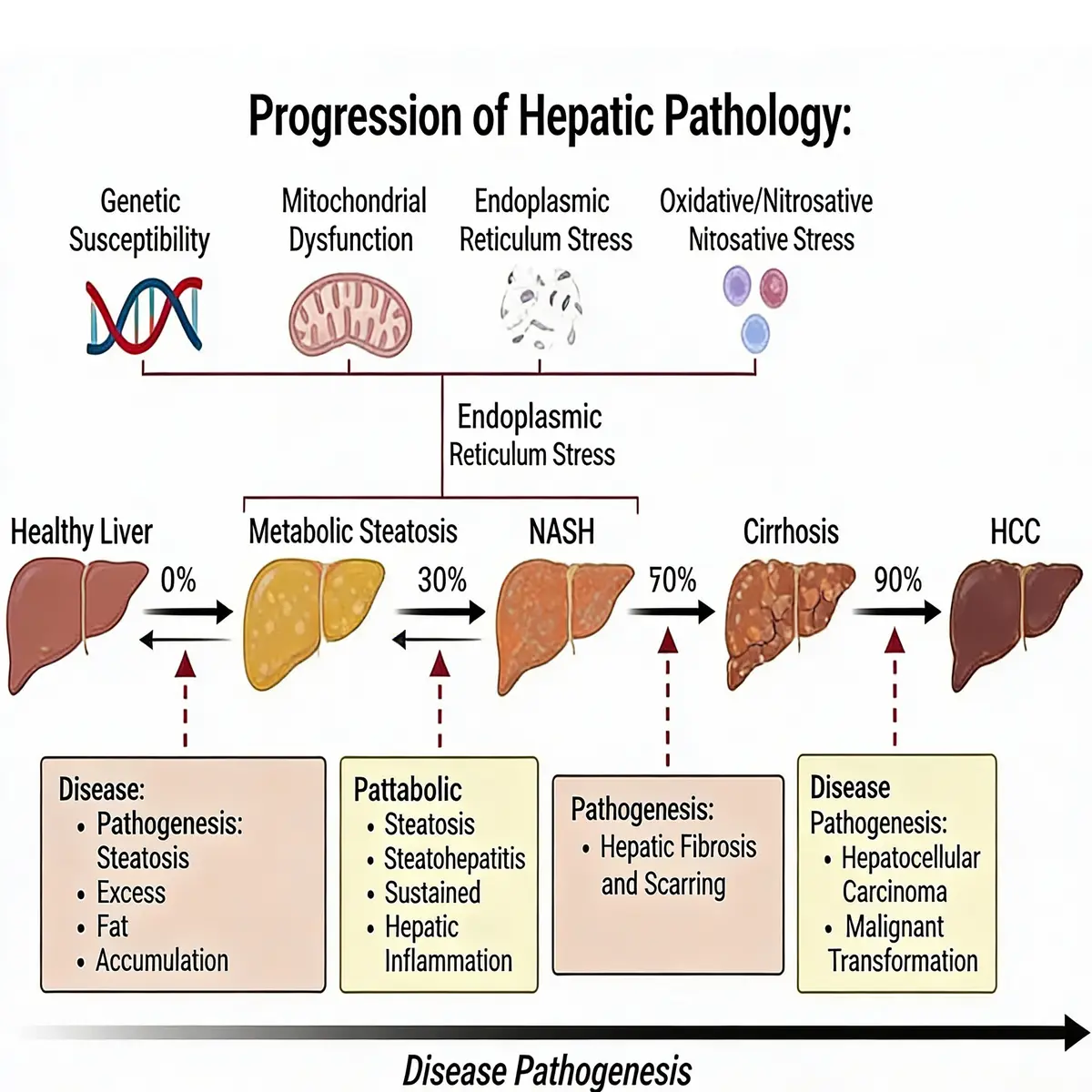
MASLD occurs when excess fat builds up in the liver in the presence of at least one metabolic risk factor such as overweight, type 2 diabetes, high blood pressure or abnormal cholesterol levels. It affects about a quarter of adults in many countries and is now the most common liver disease worldwide. The condition can range from simple fat accumulation (steatosis) to MASH — metabolic dysfunction‑associated steatohepatitis — where inflammation and liver cell injury lead to scar tissue. While heavy alcohol use can also damage the liver, MASLD results primarily from insulin resistance and other metabolic disturbances.
Pathophysiology and progression
- Risk factors: Being overweight or obese, having type 2 diabetes, high triglycerides, low HDL cholesterol, high blood pressure, metabolic syndrome, polycystic ovary syndrome and conditions like hypothyroidism all increase the risk of MASLD. Even people with normal weight can develop MASLD if they have insulin resistance or a strong family history.
- From MASLD to MASH: Roughly 20 % of people with MASLD progress to MASH. In MASH, fat accumulation causes inflammation, liver cell injury and fibrosis (scarring). Without intervention, this can lead to cirrhosis and, in some cases, liver cancer.
- Silent disease: MASLD often has no symptoms. When present, they may include fatigue, mild abdominal discomfort or a feeling of fullness. Advanced disease may manifest as jaundice, swelling of the abdomen and legs, or confusion due to toxin buildup.
- Diagnosis: Physicians use blood tests (liver enzymes, blood sugar, lipid profile), imaging (ultrasound, FibroScan®) and non‑invasive scoring systems (such as the FIB‑4 index) to evaluate liver health. A liver biopsy is sometimes required to confirm MASH or assess fibrosis.
New nomenclature and its significance
- Focus on metabolic causes: The term MASLD recognises that fat accumulation in the liver is closely tied to metabolic dysfunction rather than simply the absence of alcohol use. The change encourages clinicians to address underlying conditions such as obesity and diabetes.
- Reduced stigma: Dropping the descriptor “non‑alcoholic” helps avoid blaming patients and acknowledges that liver disease can occur even without alcohol misuse.
- Integrated care: Recognising MASLD as a metabolic disorder highlights the need for comprehensive treatment plans, including weight loss, balanced diet, increased physical activity and control of blood sugar and lipids. There is no approved medication specifically for MASLD, but many patients improve with lifestyle changes.
- Broad health impact: People with MASLD are more likely to die from cardiovascular disease than from liver failure. Managing MASLD therefore helps reduce heart‑disease risk as well as liver complications.
Conclusion
The renaming of NAFLD to MASLD signals a shift in understanding fatty liver disease. It emphasises metabolic health, encourages early detection and destigmatises patients. Maintaining a healthy weight, controlling blood sugar and blood pressure, and leading an active lifestyle remain the cornerstones of preventing and managing this growing public‑health concern.
Source: TH