Why in news?
Scientists at the Sher e Kashmir University of Agricultural Sciences and Technology (SKUAST) in Srinagar have successfully cultivated the Morchella mushroom – popularly known as morel or gucchi – under controlled conditions for the first time. This breakthrough offers hope for commercial production of a fungus that fetches between ₹15,000 and ₹40,000 per kilogram in markets and was previously gathered only from the wild.
Background
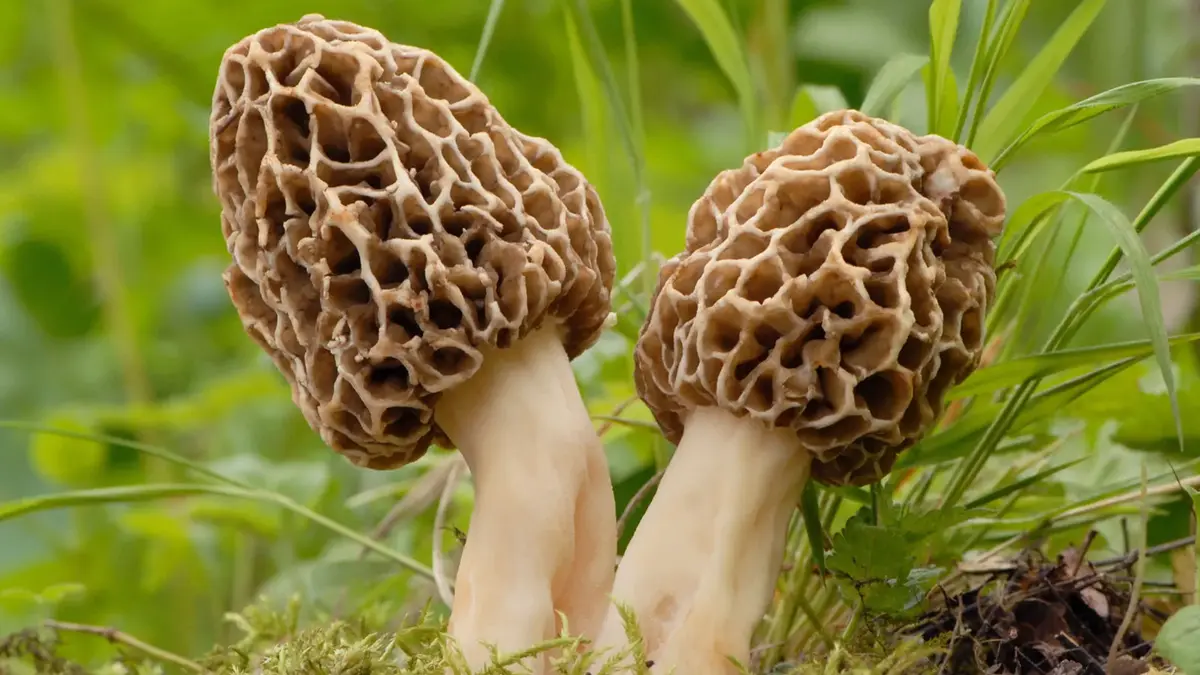
Morchella is a genus of edible fungi in the family Morchellaceae of the Ascomycota division. True morels are characterised by a distinctive honeycomb‑like cap composed of ridges and pits raised on a hollow, white stem. In India they grow naturally in high‑altitude coniferous forests across Jammu and Kashmir, Himachal Pradesh and Uttarakhand during a brief rainy period in spring. Because they do not reliably reappear in the same spot each year and their growth requires specific microclimates and symbiotic plant associations, wild collection is labour‑intensive and unpredictable.
Properties and uses
- Gourmet delicacy: Morels are prized for their earthy, nutty flavour and meaty texture. Chefs add them to biryanis, curries, soups and sauces.
- Nutritional value: They are rich in protein, fibre, vitamin D and minerals such as iron, phosphorus and potassium while being low in fat.
- Medicinal benefits: Studies indicate that morels contain antioxidants and anti‑inflammatory compounds that may boost immune function and support liver health.
- Appearance: Morels vary from pale yellow to dark brown. The cap’s honeycomb structure maximises surface area, enhancing flavour absorption. The hollow stem and cap are seamlessly joined, distinguishing them from poisonous look‑alikes such as false morels (Gyromitra species).
Cultivation breakthrough
The SKUAST team collected wild morels from over 1,000 sites, analysed soil, microclimate and vegetation associations, and selected strains suitable for cultivation. By replicating these conditions in polyhouses and open plots, they achieved fruiting in several strains. Controlled cultivation reduces dependence on dwindling wild populations and opens avenues for farmers, youth and entrepreneurs to grow the crop commercially. The university plans to patent the technology and train local communities in high‑value mushroom farming.
Significance
- Economic opportunity: Cultivated morels could become a lucrative cash crop for Himalayan farmers, diversifying incomes and boosting rural economies.
- Conservation: Domestication eases pressure on natural forests, where intensive foraging often damages soil and vegetation.
- Scientific milestone: Overcoming the complex life cycle of morels is a notable achievement in fungal biology and may spur further research into other difficult‑to‑cultivate species.
Conclusion
The successful cultivation of Morchella mushrooms marks a paradigm shift from uncertain wild harvests to controlled production. With proper dissemination of this technology, communities across mountainous regions could benefit from a sustainable and profitable crop.
Source: IE