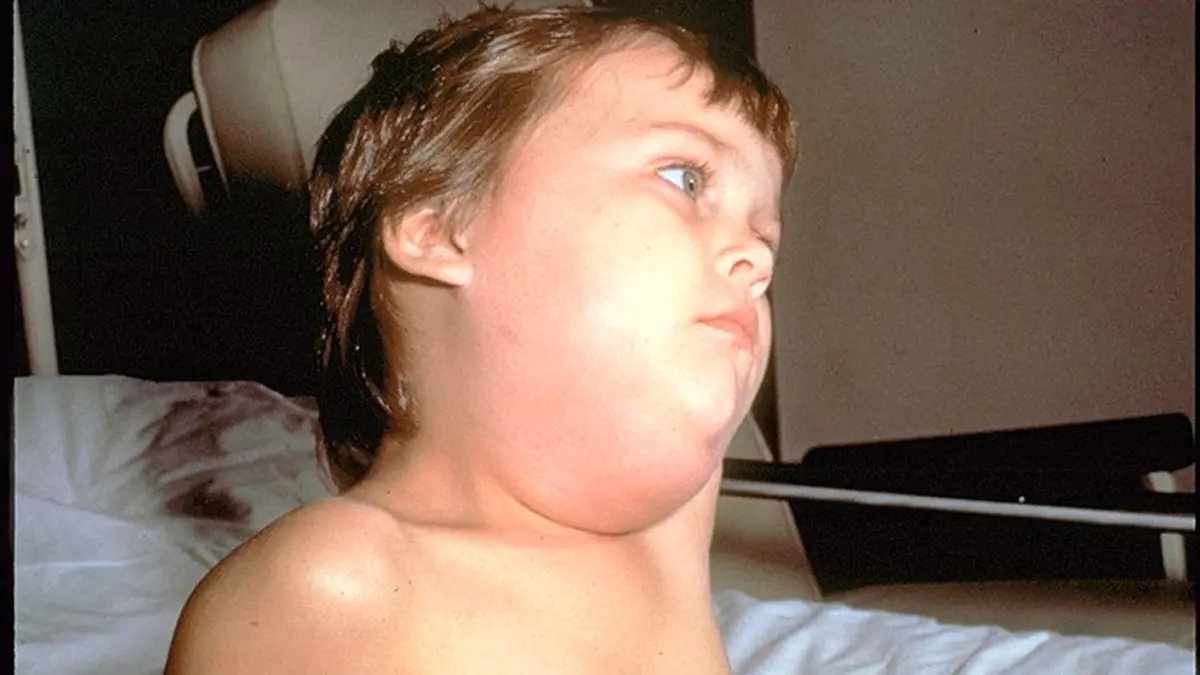
Why in news?
Health officials in Maryland, U.S., reported an increase in mumps cases in late February and early March 2026. While mumps is rare in countries with high vaccination rates, clusters occasionally appear when immunity wanes or vaccination coverage declines. The outbreak raised awareness about the importance of measles-mumps-rubella (MMR) vaccination.
Background
Mumps is a viral infection that primarily affects the salivary glands located near the ears. The virus spreads through respiratory droplets and saliva when infected people cough, sneeze or share utensils. Before vaccination became widespread, mumps was a common childhood illness worldwide.
Symptoms and complications
- Common signs: Fever, headache, muscle aches, loss of appetite and swelling of the parotid glands (cheeks and jaw) are typical. Swelling usually appears 16-18 days after exposure and can last for about a week.
- Potential complications: In some cases mumps can lead to inflammation of the testicles (orchitis) in males, inflammation of the ovaries (oophoritis) in females, meningitis (inflammation of the membranes around the brain and spinal cord) or hearing loss.
Prevention and vaccination
The MMR vaccine protects against measles, mumps and rubella. Children usually receive two doses: the first at 12-15 months and the second at 4-6 years. During an outbreak, health authorities may recommend a third dose for those at high risk. Vaccination significantly reduces the severity of disease and the likelihood of complications.
Source: CNN Health