
Why in news?
Researchers at Nagaland University recently highlighted the genetic richness of Musa sikkimensis, a wild banana species, and its value for climate‑resilient farming. The study underscores the need to conserve this species as a genetic reservoir for future crop improvement.
Background
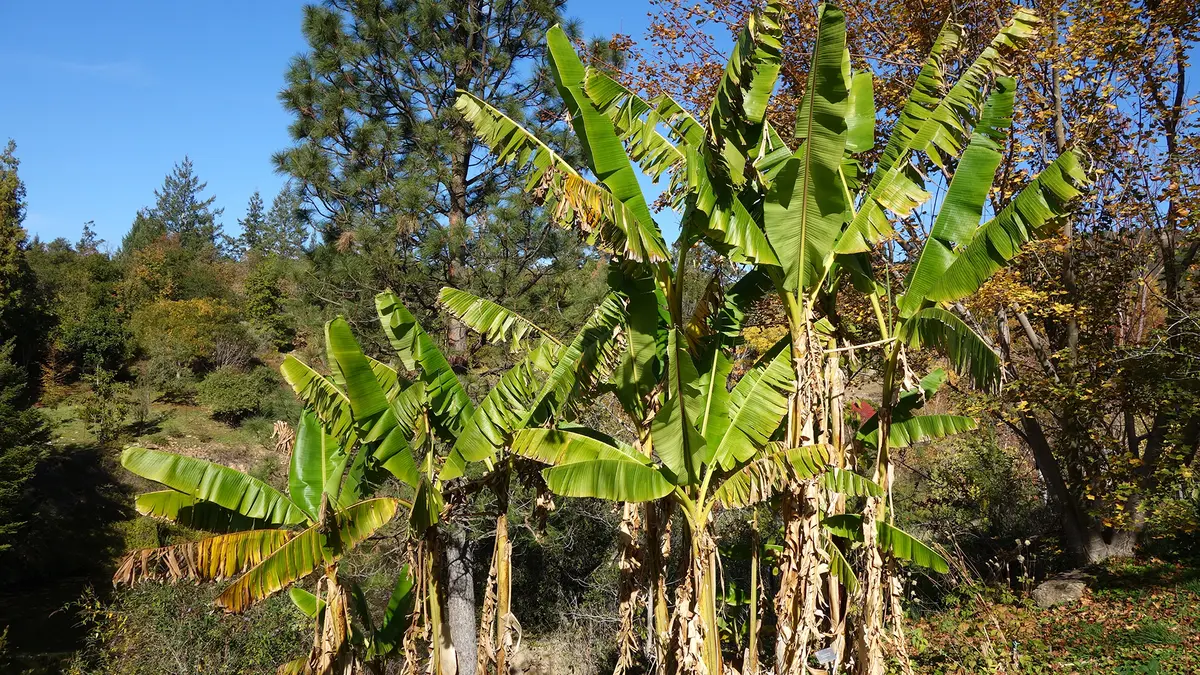
Musa sikkimensis, commonly called the “Darjeeling” or “Sikkim” banana, is native to the Eastern Himalaya and north‑eastern India. It is a tall, evergreen plant with large paddle‑shaped leaves and pendulous maroon flowers. Unlike the edible dessert bananas, this species bears hard, seedy fruits and is not widely cultivated for food. Instead, it plays an important ecological and cultural role in its native habitats.
Research findings
- Genetic reservoir: The Nagaland University team found that wild banana germplasm in the region possesses traits linked to disease resistance, tolerance to heat and drought and adaptability across diverse environments. These traits make M. sikkimensis valuable for breeding climate‑resilient banana varieties.
- Threats: Accelerating deforestation, shifting cultivation and replacement of traditional landraces with hybrid or tissue‑culture bananas are eroding wild banana diversity. Conservation is essential to prevent the loss of unique genotypes.
- Conservation efforts: To safeguard these resources, Nagaland University has established a Banana Biodiversity Corridor that links in situ and ex situ conservation. The corridor functions as a living gene bank and supports genetic research, breeding programmes and training.
Importance and uses
- Crop improvement: Breeders can incorporate traits from wild species like M. sikkimensis into cultivated bananas to develop varieties that withstand diseases, pests and climate stresses.
- Ethnobotany: Indigenous communities use different parts of wild bananas for food, fibre, medicine and cultural practices. Reported medicinal uses include treatments for dysentery, ulcers and microbial infections.
- Biodiversity hotspot: The Indo‑Burma region, which includes Nagaland, is a global hotspot for banana diversity. Documenting and conserving wild species supports food security and preserves cultural heritage.
Conclusion
The genetic wealth of Musa sikkimensis offers hope for future banana breeding in the face of climate change. Protecting wild banana habitats, engaging local communities and investing in research will help maintain this invaluable resource for generations to come.
Source: DD News

