
Why in news?
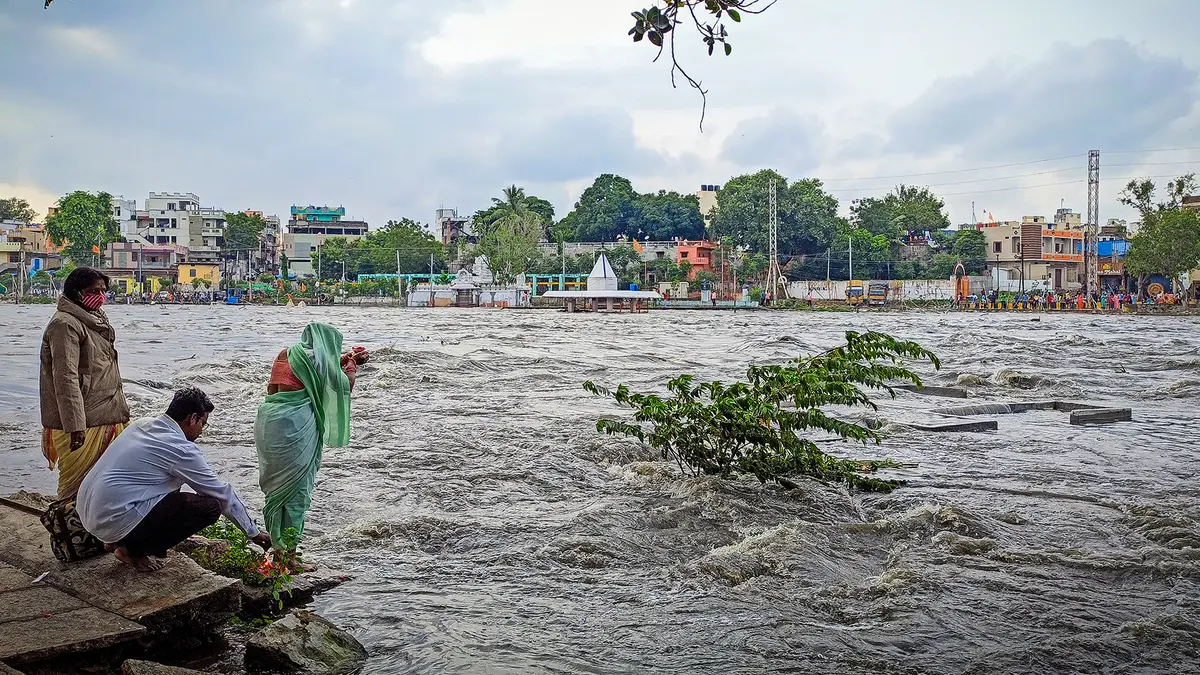
The Musi Riverfront Development Corporation has been working to rejuvenate the Musi river in Hyderabad. In March 2026 the corporation released plans for cleaning, ecological restoration and development of recreational spaces along the river, which has become heavily polluted over the past century.
Background
The Musi River is a tributary of the Krishna River. It originates in the Anantagiri Hills near Vikarabad, flows eastward for about 250 kilometres and eventually joins the Krishna near Vadapally in Nalgonda district. Within Hyderabad, the river is fed by two reservoirs—Osmansagar and Himayatsagar—constructed after the catastrophic Musi flood of 1908, which killed thousands and destroyed much of the city.
Key points
- Historic flood: On 28–29 September 1908 a cloudburst caused the Musi to overflow, inundating Hyderabad and killing over 15,000 people. Bridges and homes were swept away. In response, the Nizam’s government commissioned engineer M. Visvesvaraya to design flood‑control reservoirs, leading to the creation of Osmansagar (completed in 1920) and Himayatsagar (1927).
- Urban divides: The Musi river divides Hyderabad’s historic Old City from newer areas. As the city grew, untreated sewage and industrial effluents began to flow into the river, turning it into an open drain.
- Rejuvenation efforts: The Musi Riverfront Development Corporation, established in 2017, plans to intercept and treat wastewater, create green belts, develop walking and cycling paths and restore natural habitats along the river. The goal is to transform the polluted channel into a vibrant public space and improve the city’s environment.
Significance
- Environmental health: Reviving the Musi will enhance water quality, reduce health risks and improve groundwater recharge. It will also provide urban green space for residents.
- Heritage and culture: Restoring the river honours Hyderabad’s history and reconnects people with a waterway that once sustained the city.
Source: Deccan Chronicle

